
Attachments
Product Range
Attachments DEMZ®

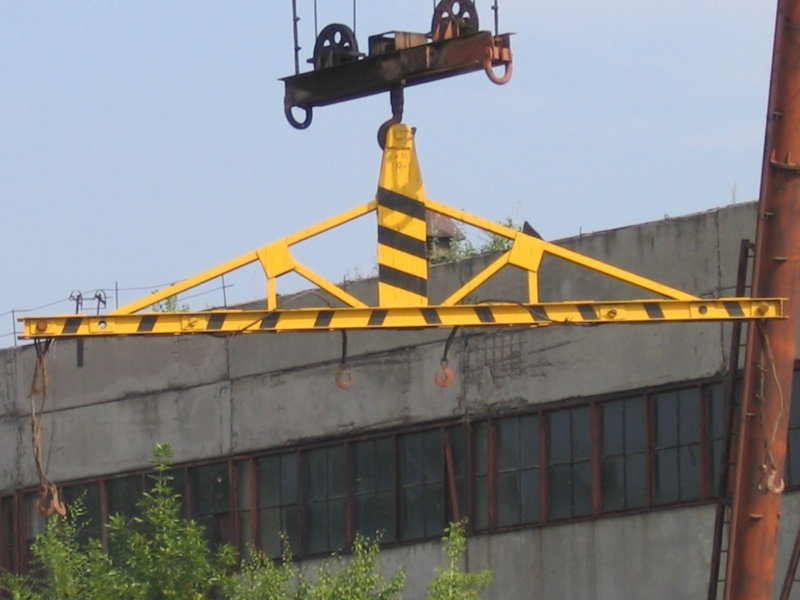
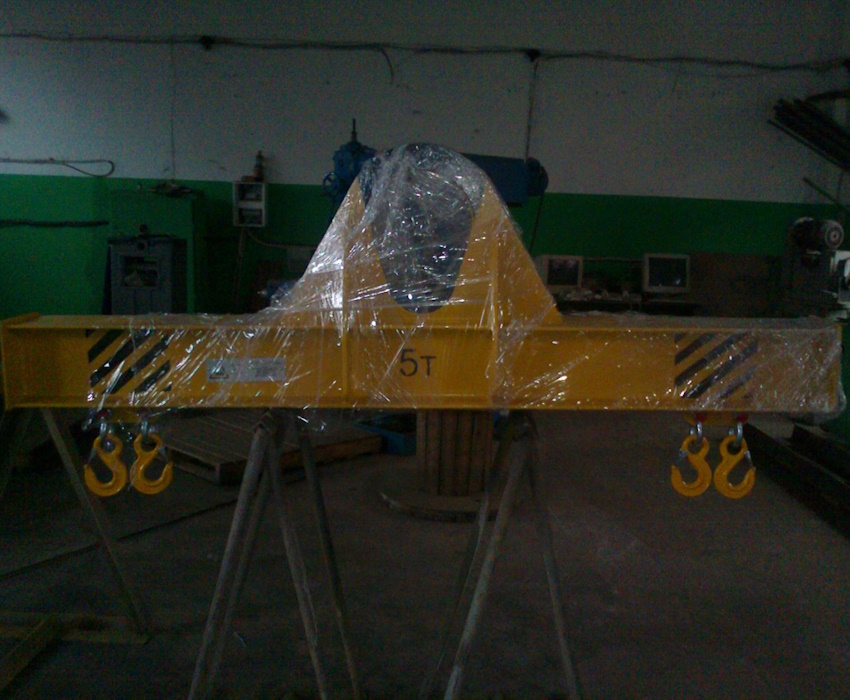
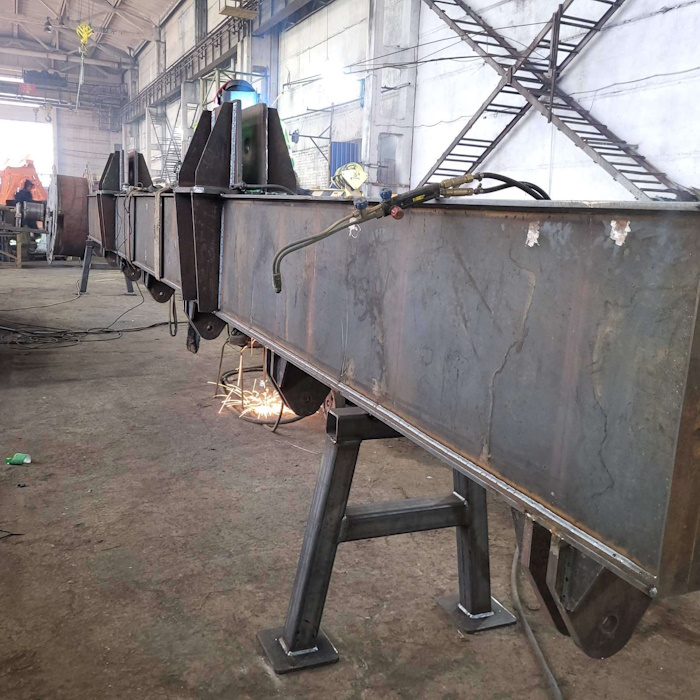
DEMZ manufactures lifting beams under the DEMZ® trademark in accordance with TU U 28.2-20215091-001. A lifting beam is a load-handling device suspended from a crane hook or trolley ropes, used for handling various types of loads. Lifting beams are manufactured in various designs depending on their intended purpose and application. Lifting beams are operated at ambient air temperatures from -40°C to +40°C (GOST 15150-69) in environments free of chemically active gases, vapors, and dust that corrode metals.
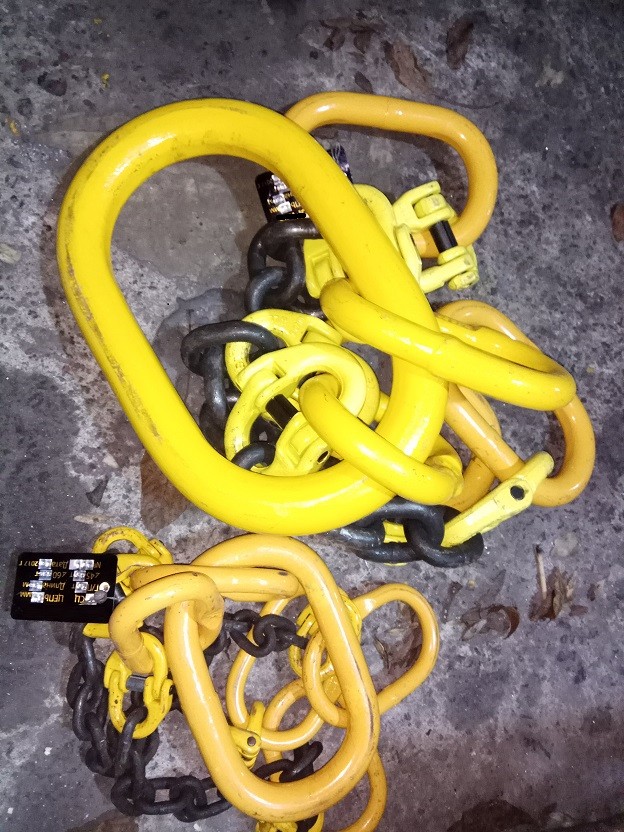
DEMZ manufactures lifting chain slings under the DEMZ® trademark in accordance with TU U 28.2-13425008-010. A chain sling is a rigging load-handling device suspended from a hook or various attachment fittings, used for handling various types of loads. Chain slings are manufactured in various designs depending on their intended purpose and application. Chain slings are operated at ambient air temperatures from -40°C to +40°C (GOST 15150-69) in environments free of chemically active gases, vapors, and dust that corrode metals. Blackened alloy chains with cross-sections from 6.0 to 26.0 mm are used, allowing the production of slings with load capacities ranging from 1 to 67 tons, conforming to Grade 80 (G80) strength class (Grade 100 G100 specifications are 25% higher). The most popular Grade 80 (G80) chain sling configurations are: 1SC, 2SC, 3SC, 4SC, USC, USC.

Consultation




Our standards

Contact Us
Frequently Asked Questions (FAQ)
The lifting capacity of an electromagnet is the maximum load weight permitted to be lifted and moved by the magnet. It typically equals 0.5 of the breakaway (tear-off) force, providing a safety factor for secure operation.
The lifting capacity depends on the magnitude of the magnetic flux in the core. The flux increases as the magnetomotive force increases and as the magnetic reluctance of the circuit decreases.
Copper coils cost twice as much as aluminum ones; copper has 1.7 times higher conductivity than aluminum; copper density is 3.3 times higher than aluminum; copper’s specific heat capacity is 3 times lower than aluminum’s; copper coils offer more repair cycles and a longer service life than aluminum.
Welded steel housings are simple and cost-effective to produce. The advantages of a cast magnetic core over a welded one include cooling fins, greater operational durability, solid structural integrity, and the complete absence of internal air gaps.
Overheating, lower density of scrap metal, switching to metal stock with larger air gaps, and malfunctions in the control cabinet (voltage converter).
Improper operation (faulty control cabinet, overheating, moisture exposure, overvoltage), coil-to-housing breakdown (ground fault), open-circuit/broken conductors, and inter-turn short circuits within the coil.