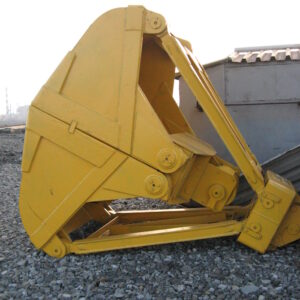
Rope Grabs

Rope Grabs DEMZ

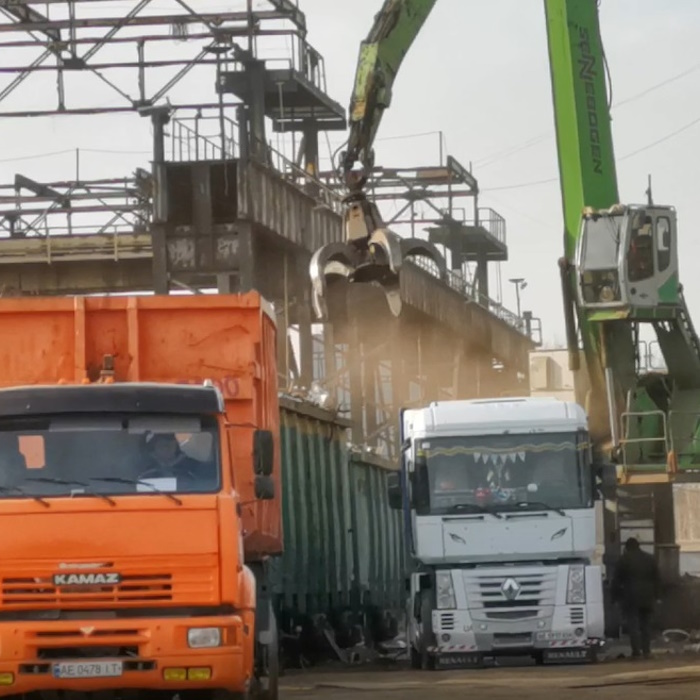
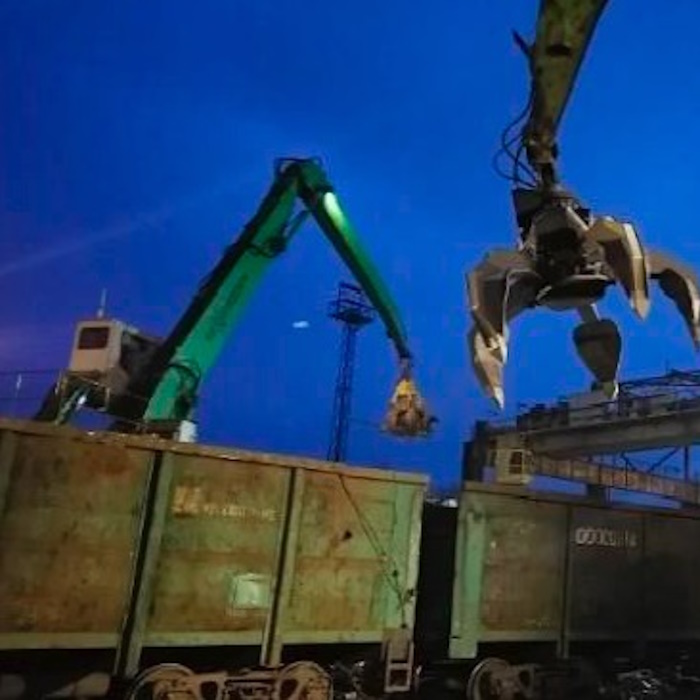
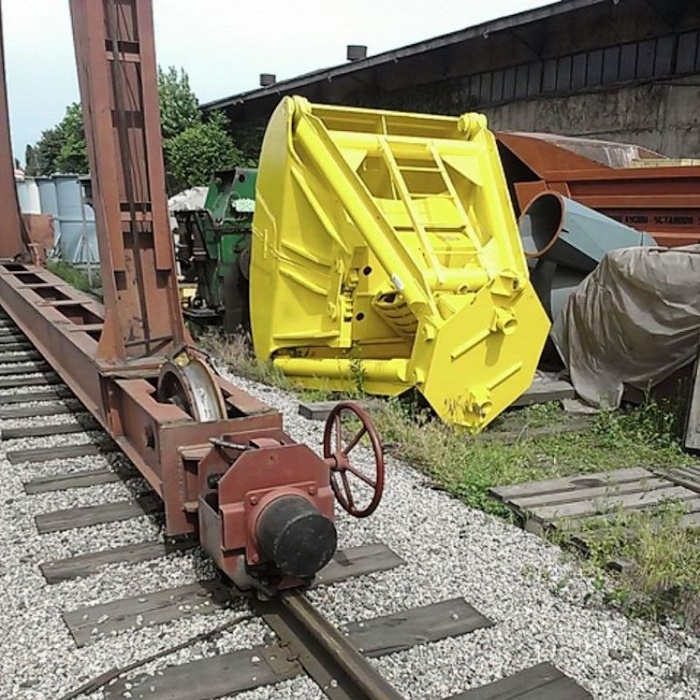
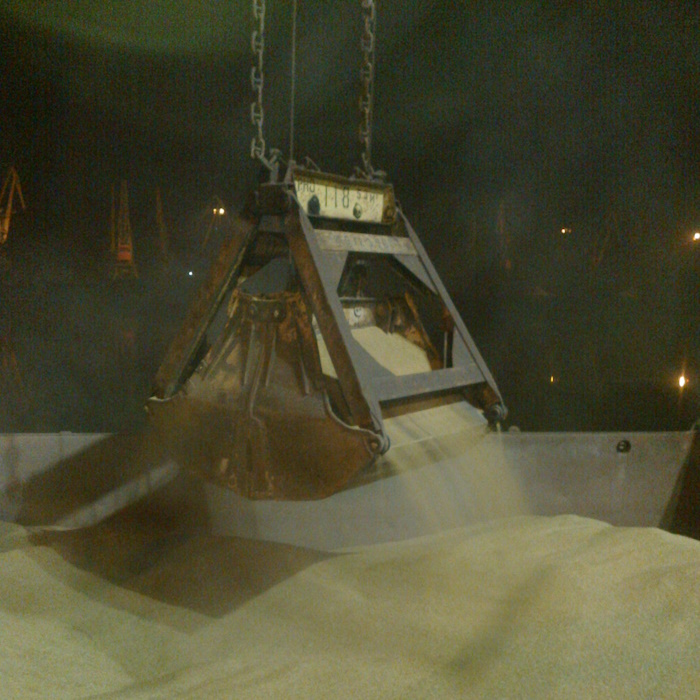
DEMZ® mechanical rope grabs are manufactured in accordance with GOST 24599-87 and TU U 29.2-13425008-007 (HS Code: 8431410000). Grabs are essential handling equipment widely used in sea and river ports, metallurgical and mining/processing plants, coking and cement works, various quarries, and timber logging enterprises. The manufactured product range is designed for handling various bulk materials and scrap with bulk densities from 0.3 to 4.0 t/m³, featuring one to four ropes and lifting capacities ranging from 0.3 to 40 tons

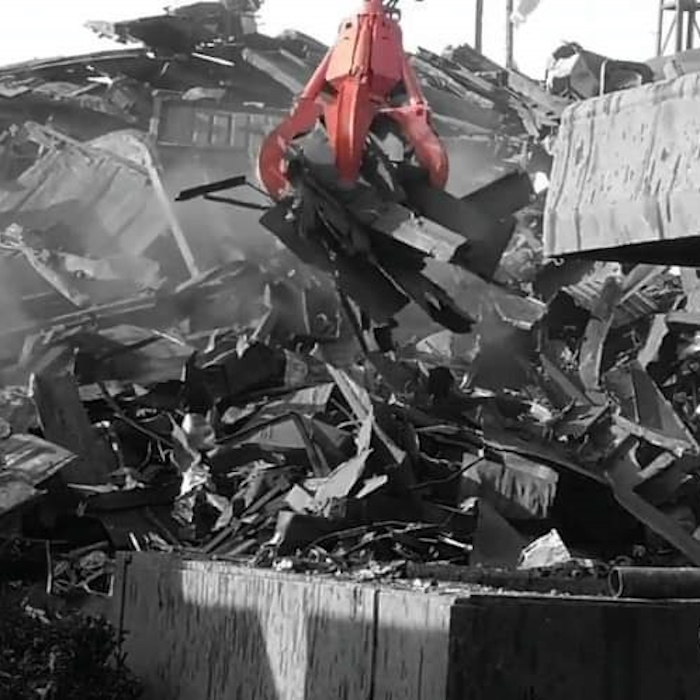
Rope grabs are engineered for transport, stacking, loading, and unloading of bulk materials (coal, coke, ore, cement, sand, crushed stone, peat, grain crops, etc.), various metallurgical materials (scrap metal, furnace charge, scrap, turnings, pig iron ingots, etc.), timber, as well as certain types of piece cargo. They operate at ambient temperatures from -40°C to +40°C (GOST 15150-69) in non-corrosive environments free of chemically active gases, vapors, or dust that degrade metals and electrical insulation.

DEMZ
Request a Product
Consultation

Grabs Rope DEMZ

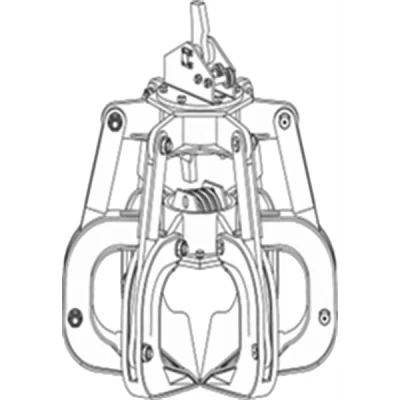
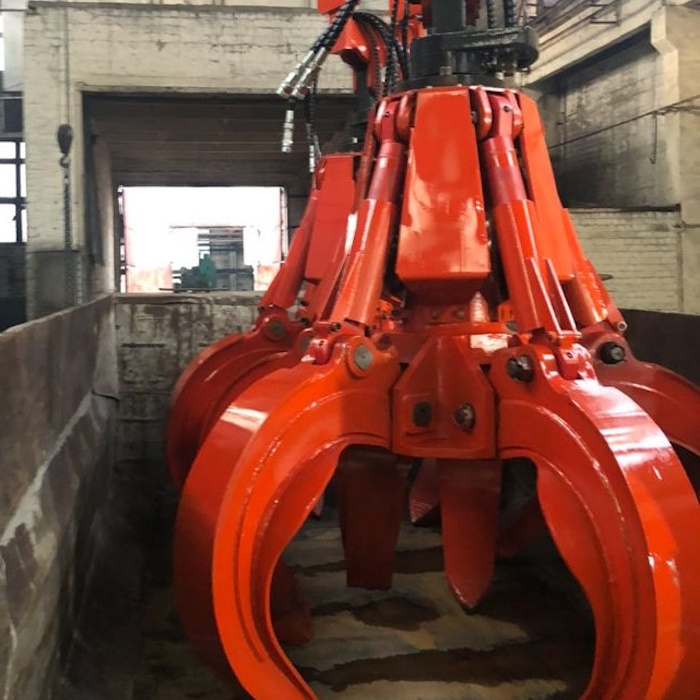
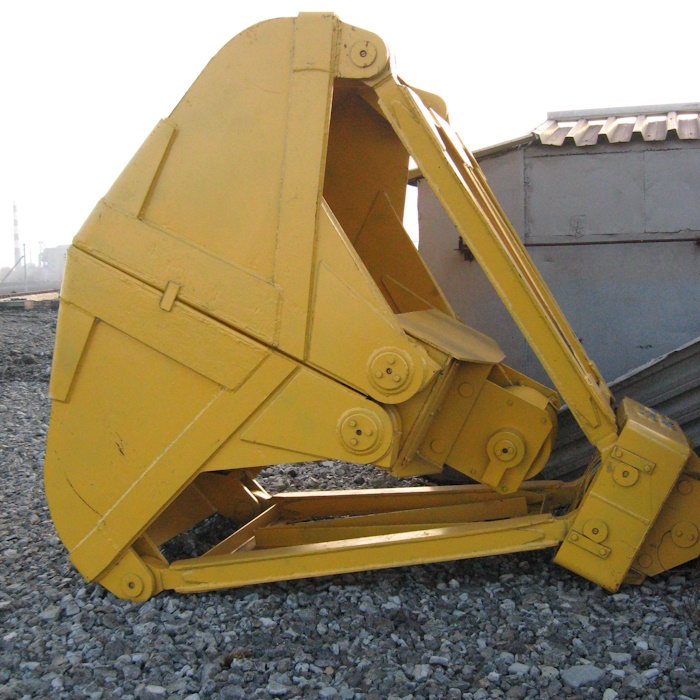
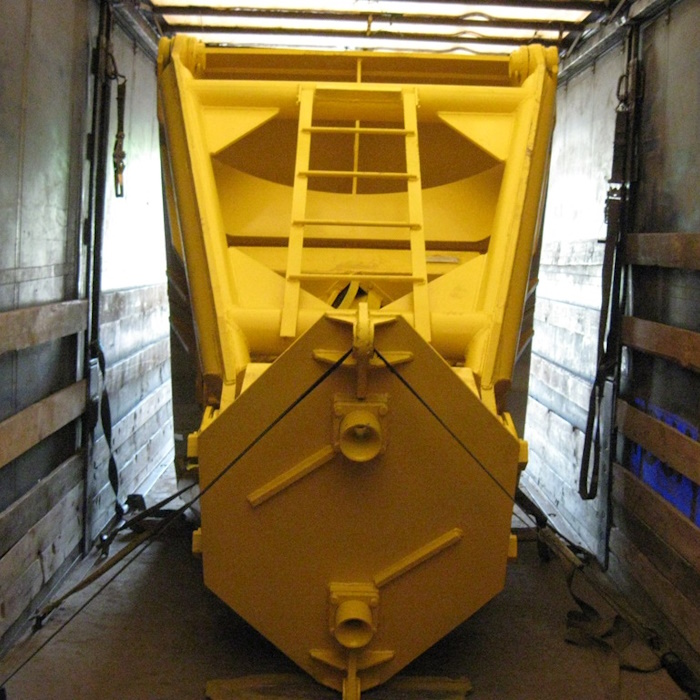
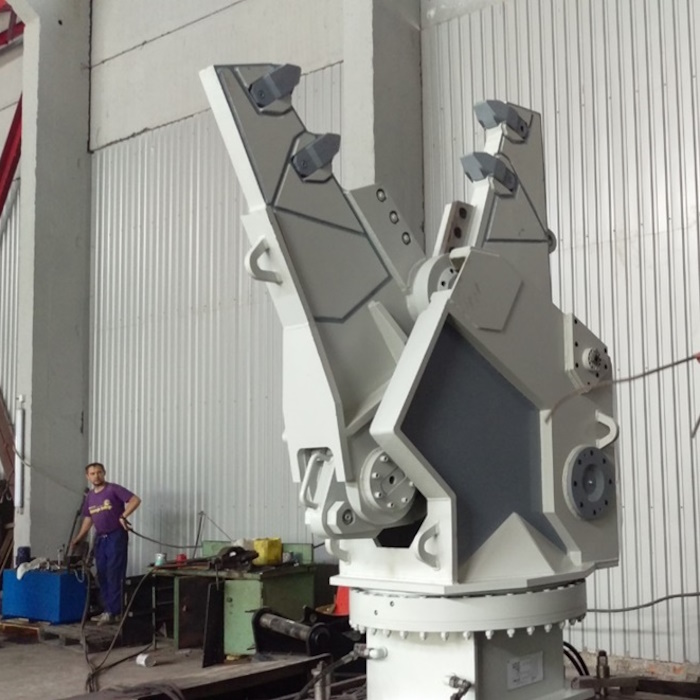
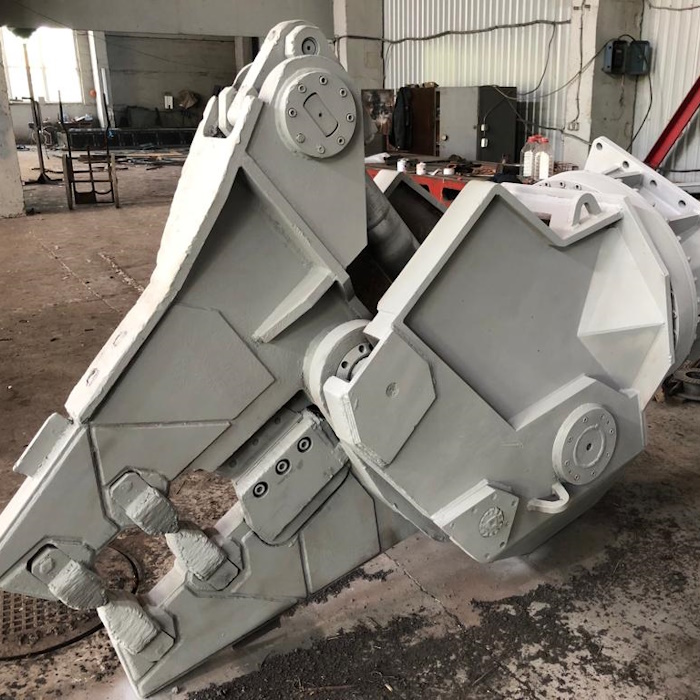
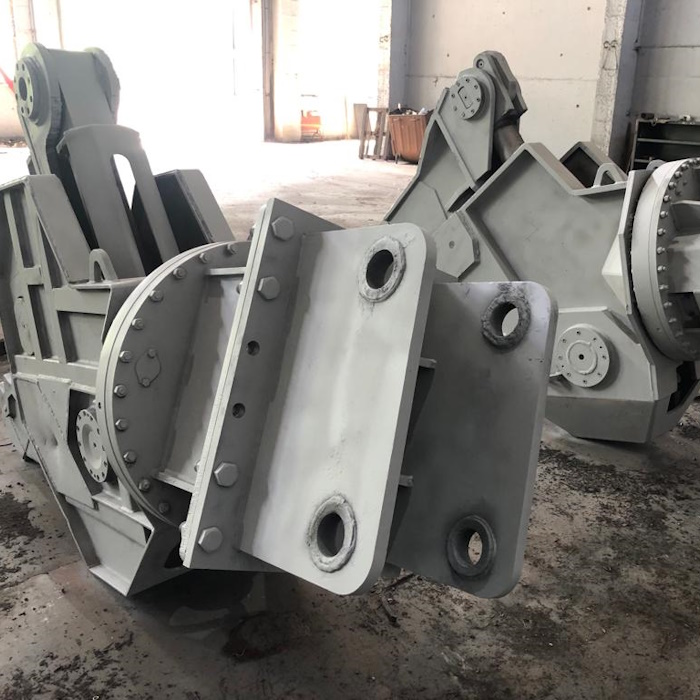
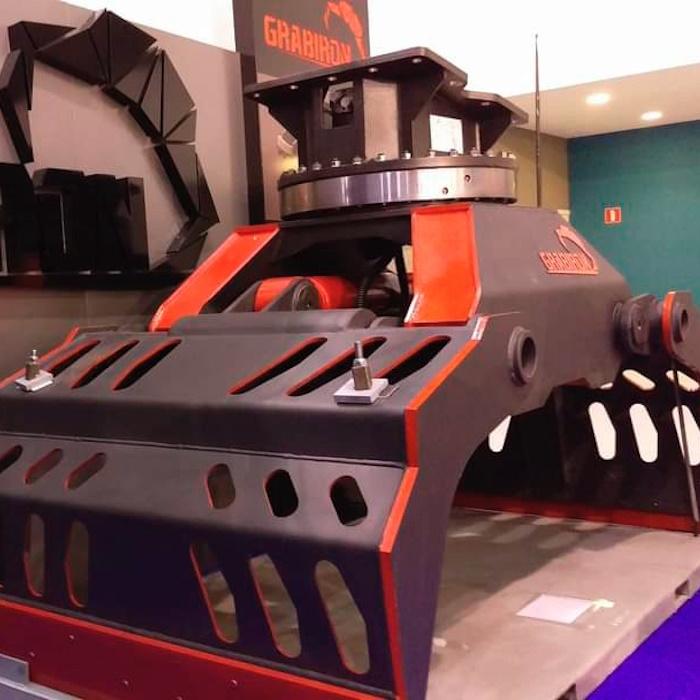
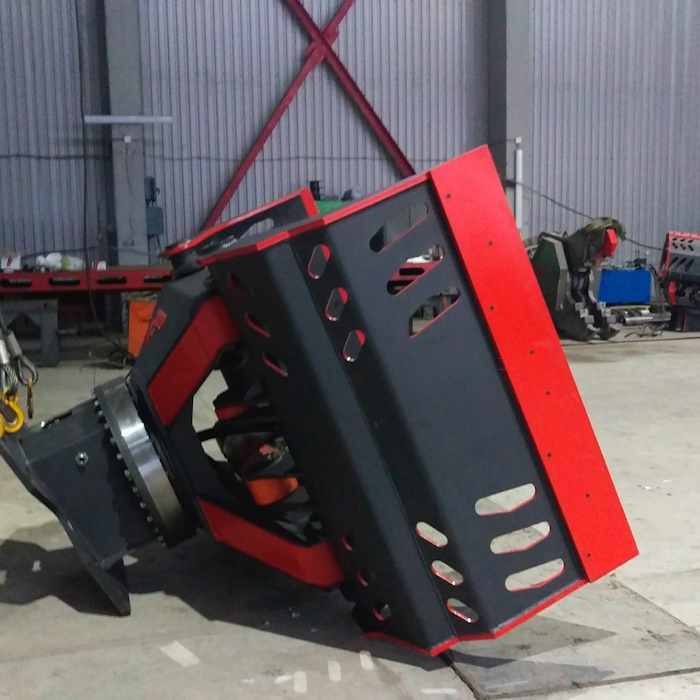
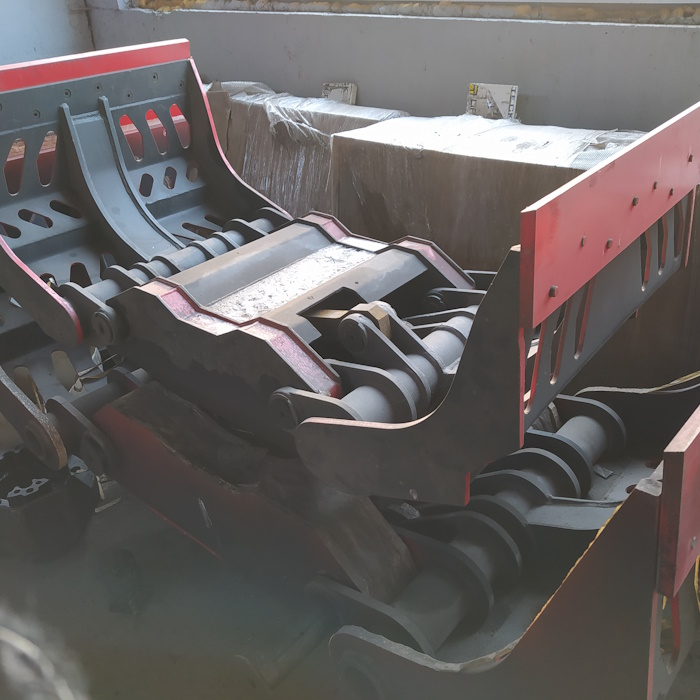
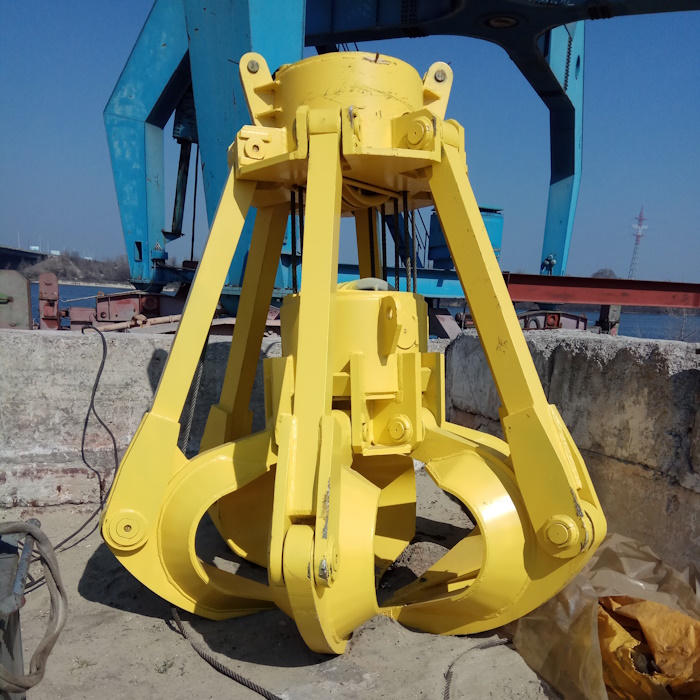
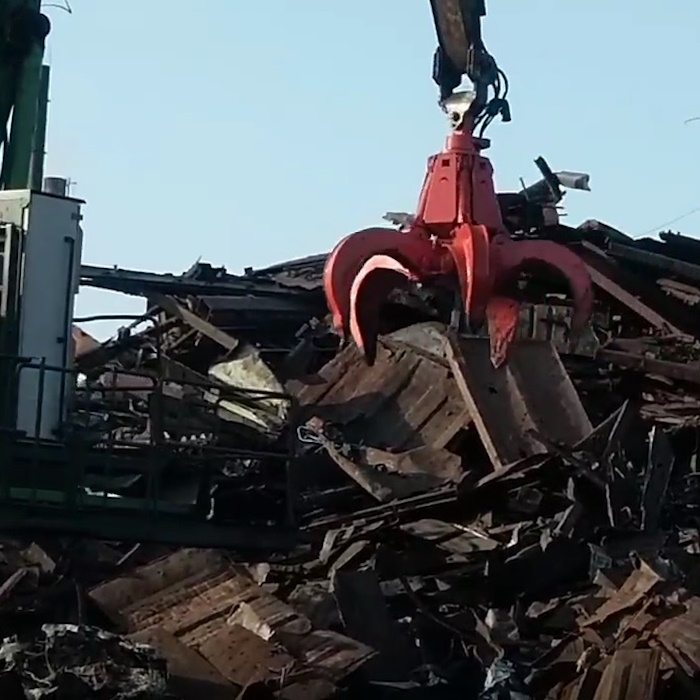
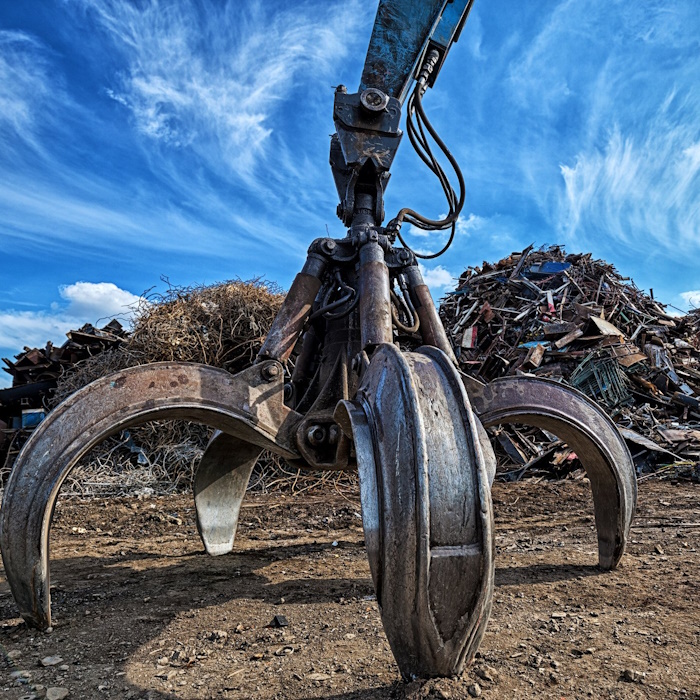
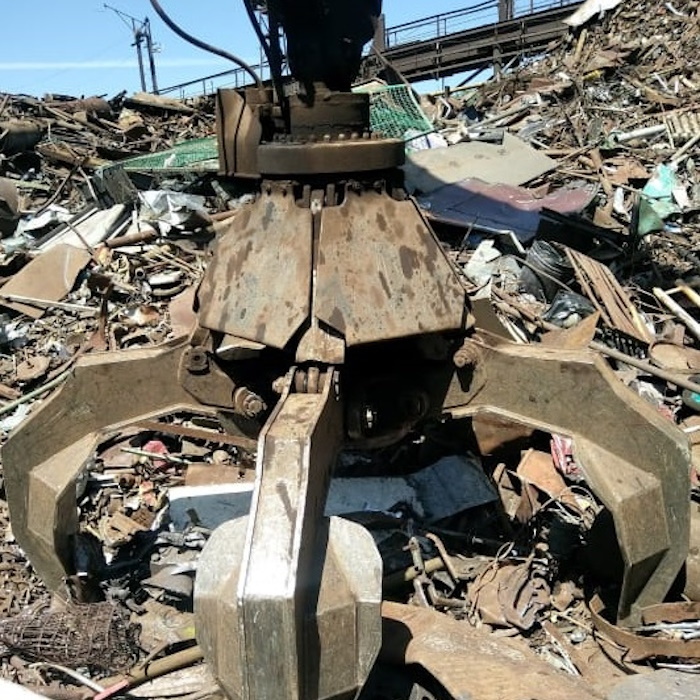
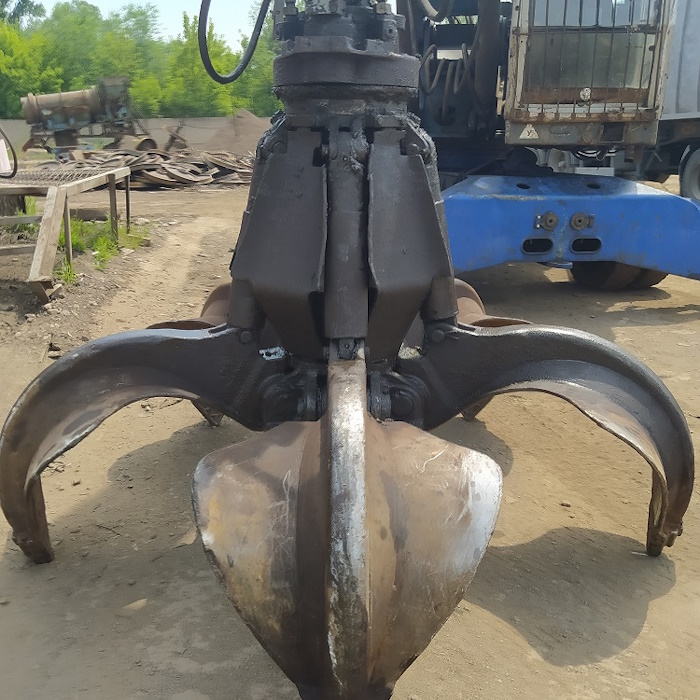
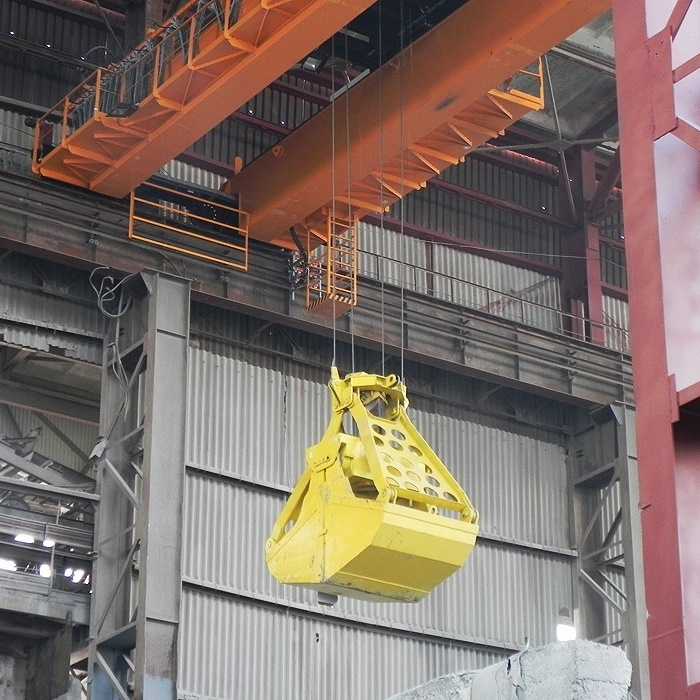
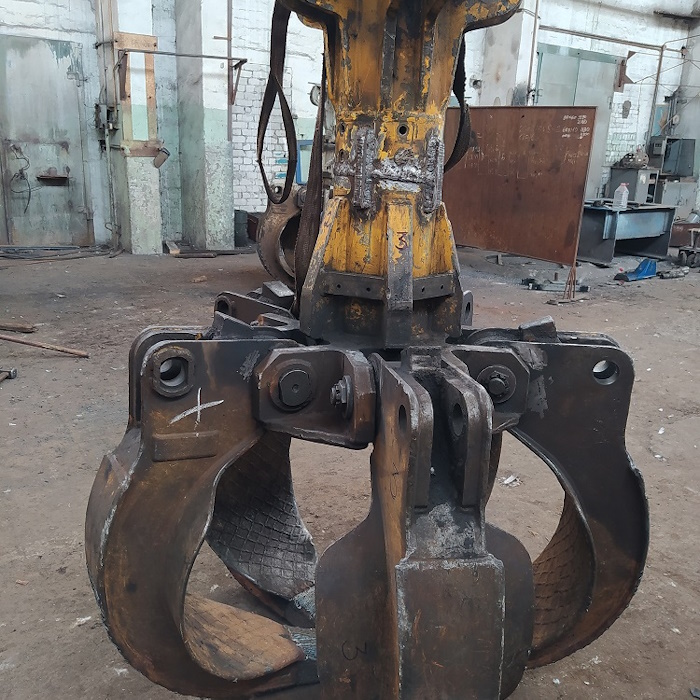
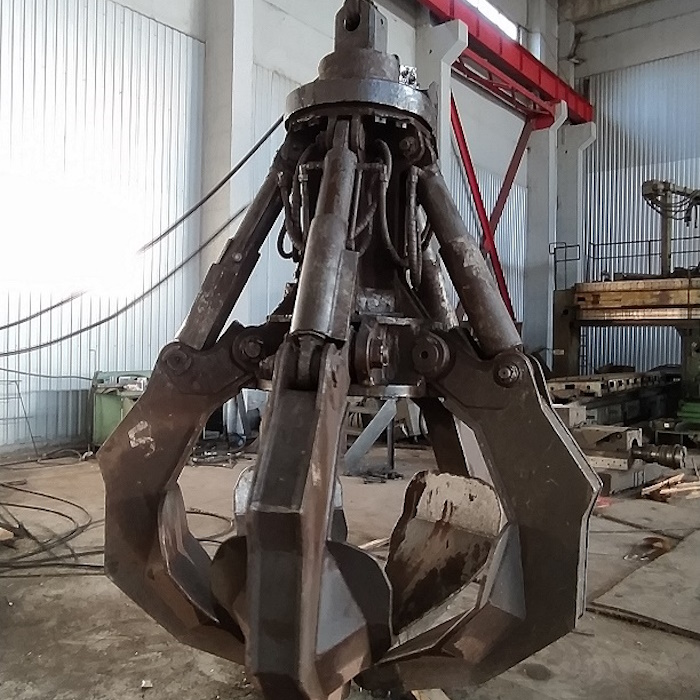
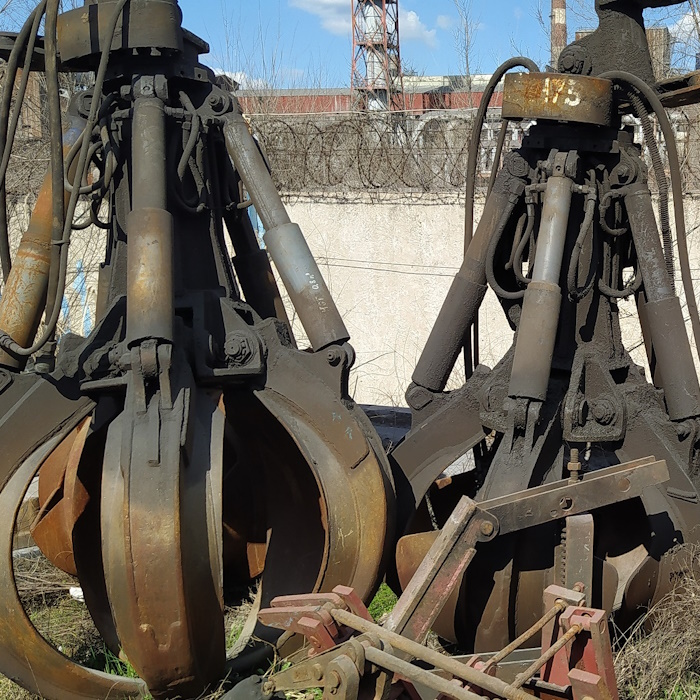
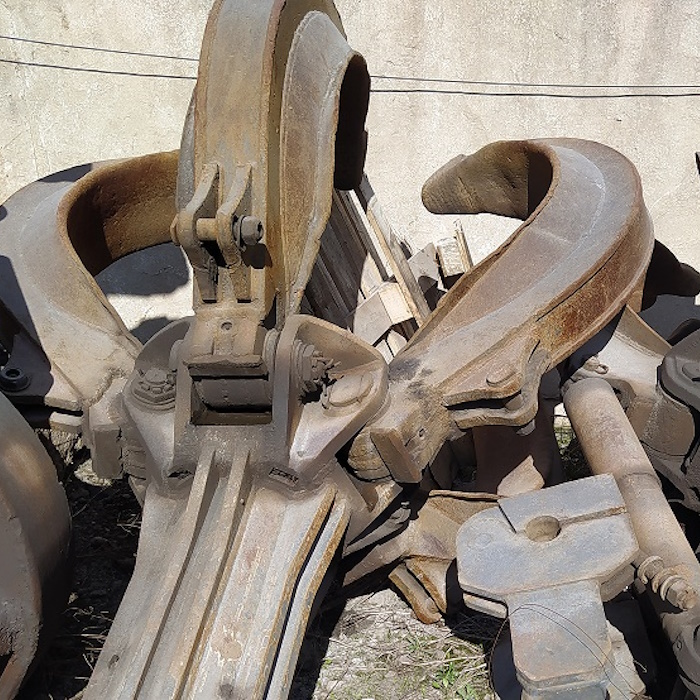
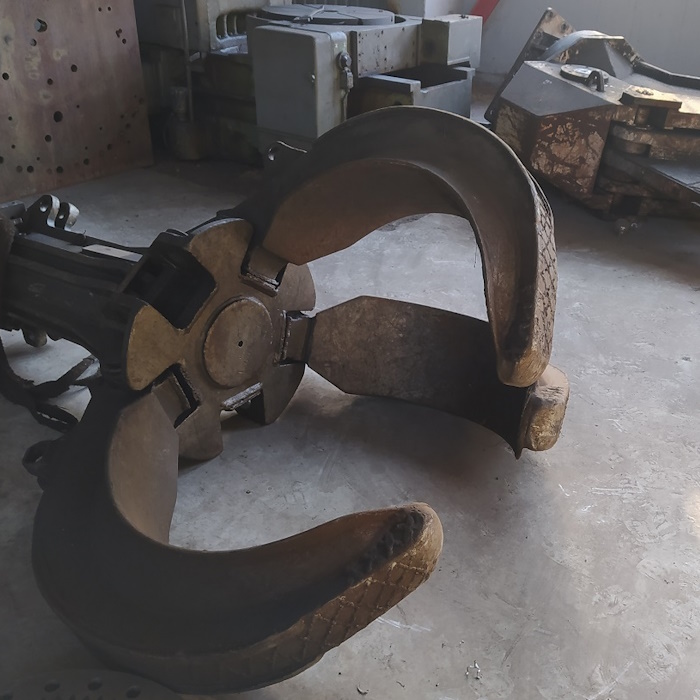
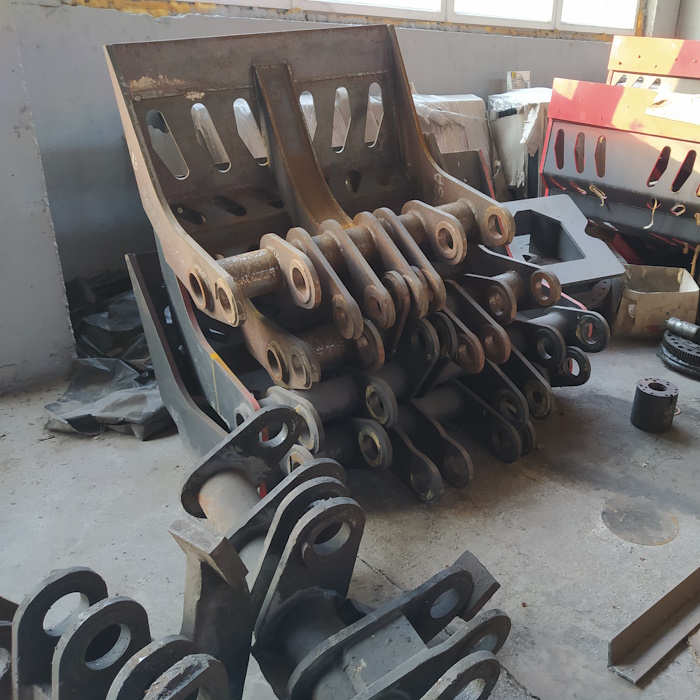
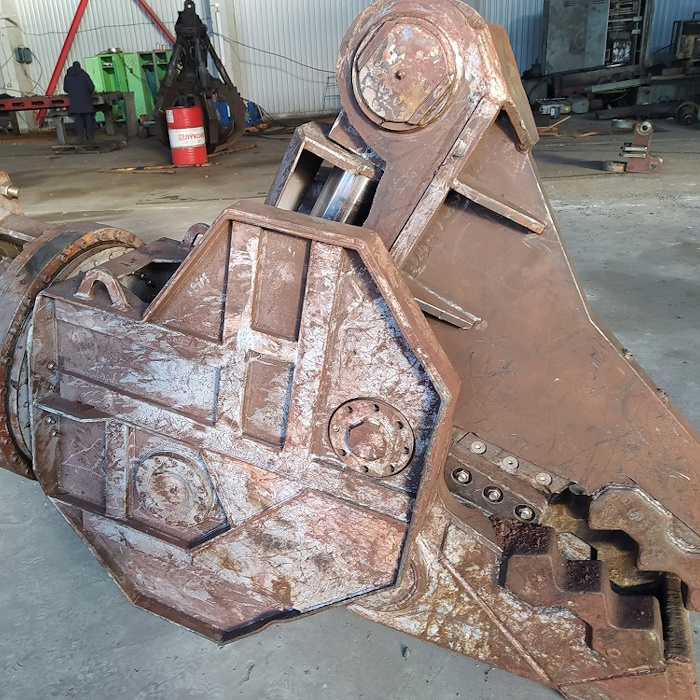
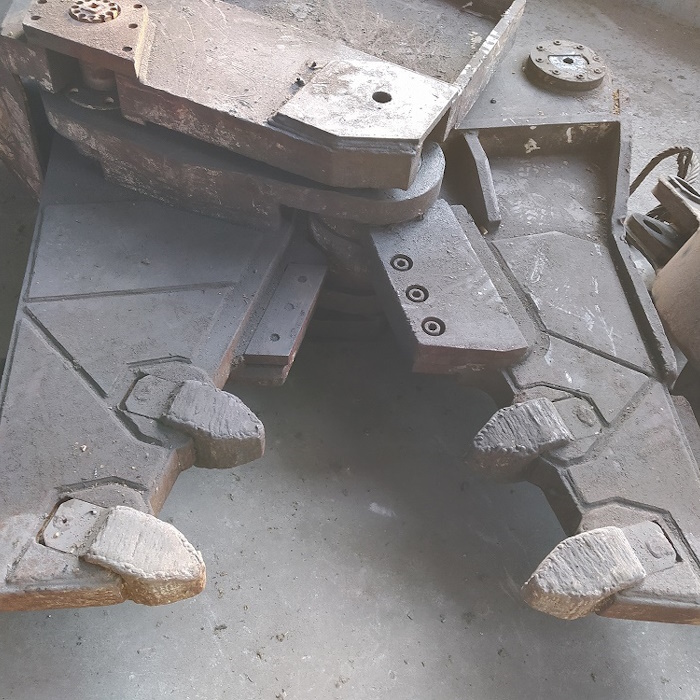
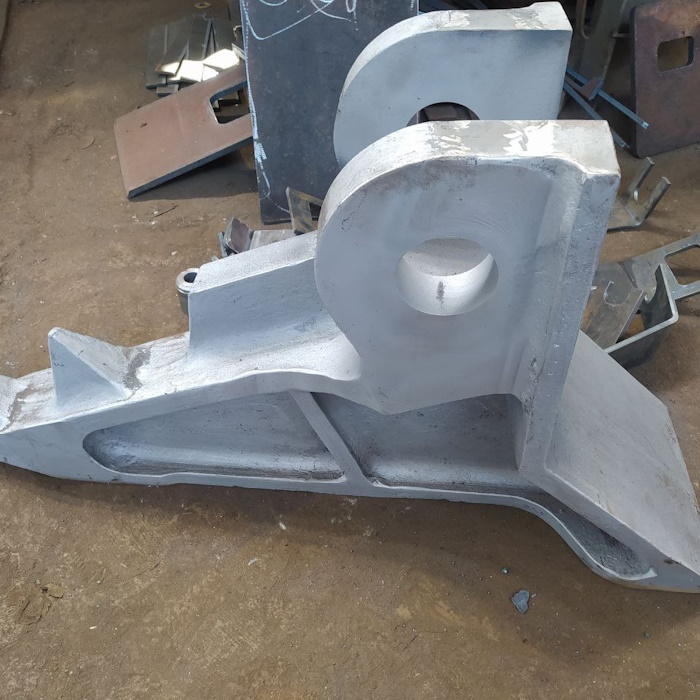
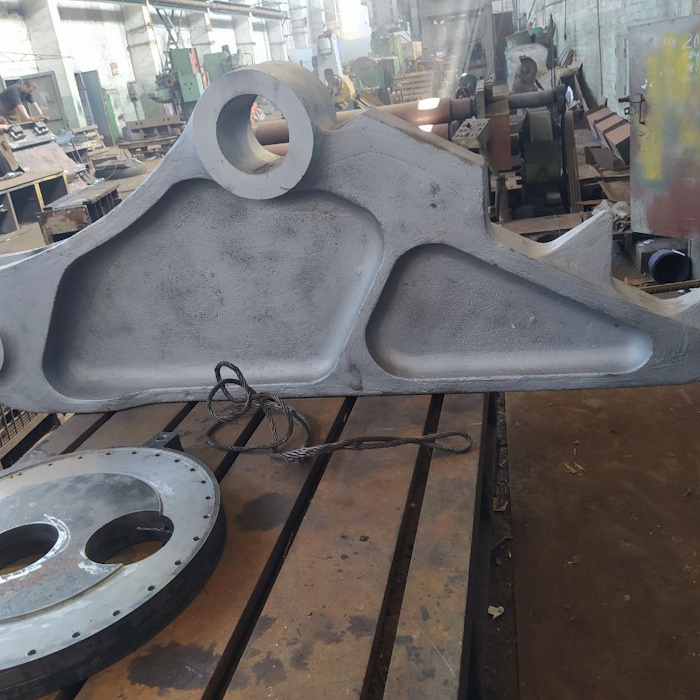
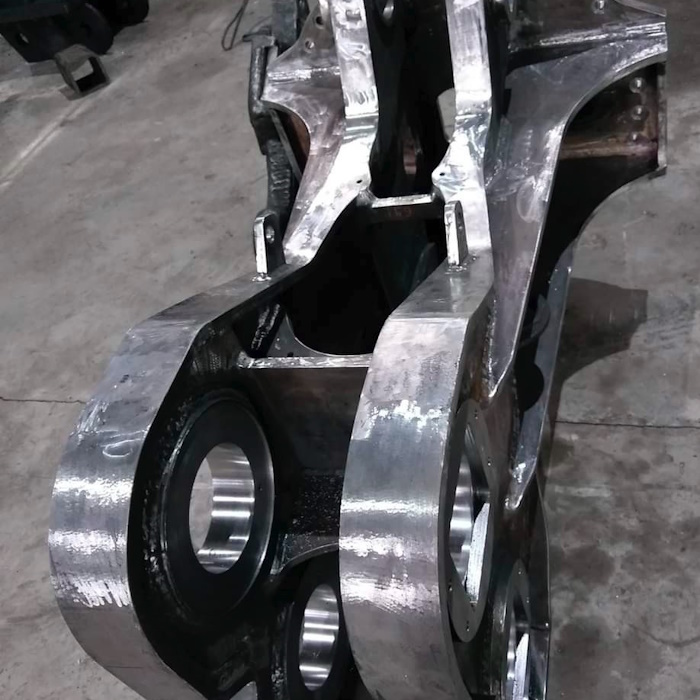
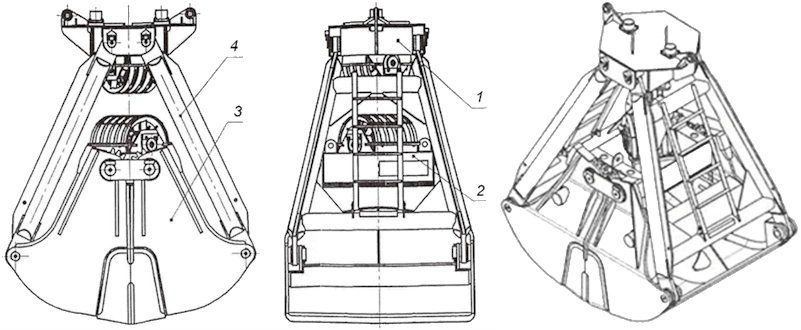
Rope grabs (see Fig.) are multi-jaw grab mechanisms engineered for loading and unloading trucks, railcars, vessels, and other cargo transports. Depending on operational requirements, the grab’s steel structure is fabricated from 09G2S, 10KhSND, and HARDOX (450, 600) steel grades. The grabs feature a reinforced upper crosshead 1 and lower crosshead 2. For ease of maintenance, ladders are provided on the grab arms 4. Synchronizer gears for scoop opening are enclosed within the sealed casing of the lower crosshead 2, preventing contact between the gear mesh and the handled material. The reeving (sheave) block baskets are removable. Sheave guards are installed on the reeving blocks to prevent the wire rope from jumping out of the groove during the loading of bulk materials, scrap metal, and other items. The pivot joints of the arms 4 and jaws 3 are mounted on spherical bearings, offering high durability, practical maintenance, and proven reliability in heavy-duty operations. Sealed rolling bearings are fitted inside the reeving sheaves, accompanied by protective end caps for extra defense against aggressive environmental elements. The plant continuously expands its grab lineup by reducing overall weight, engineering specialized grabs for bulk materials of varying densities, and utilizing wear-resistant steel alloys for critical components.

Fig. Basic design of a rope grab

When equipment breaks down, foreign manufacturers often attribute failure to improper operation by the Customer, resulting in warranty denial — alongside the complex re-export procedures required for overseas repairs. Located in central Ukraine, our manufacturing plant can quickly resolve issues and restore equipment to operation. Our warranty coverage is 12 calendar months from the date of delivery, backed by post-warranty service support. The operational lifespan is at least 5 years. All equipment is engineered with a high safety factor, ensuring that harsh climatic conditions, rigorous duty cycles, or operator errors will not compromise your investment.
DEMZ® rope grabs comply with key regulatory and normative standards governing lifting equipment and mechanisms: HS Code: 8431410000; “NPAOP 0.00-1.80-18 (formerly NPAOP 0.00-1.01-07) Rules for Design and Safe Operation of Cranes, Lifting Mechanisms, and Equipment”; “KND 31.4.002-96 Regulations for Technical Operation of Material Handling Equipment in Seaports”; “RD 31.82.03-87 Occupational Safety Regulations in Seaports”

Rope grabs can be manufactured for specialized technological applications and operating conditions. In addition to standard models, we can design custom grabs tailored to the Customer’s specific needs or manufacture units based on the Customer’s existing technical drawings.

hreyfery-kanatni-2
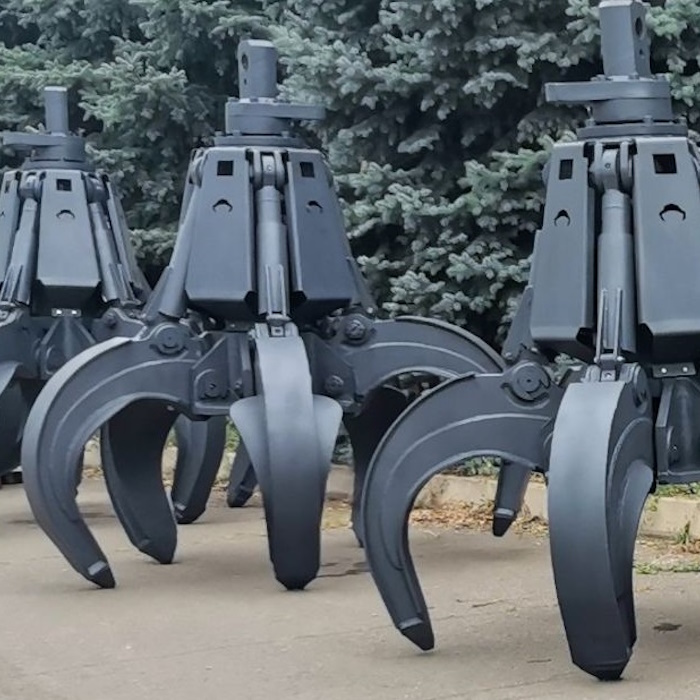
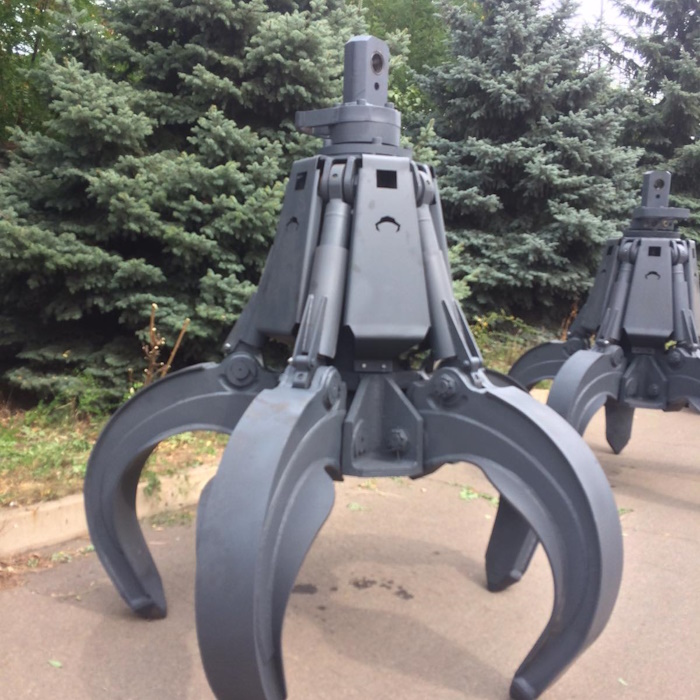
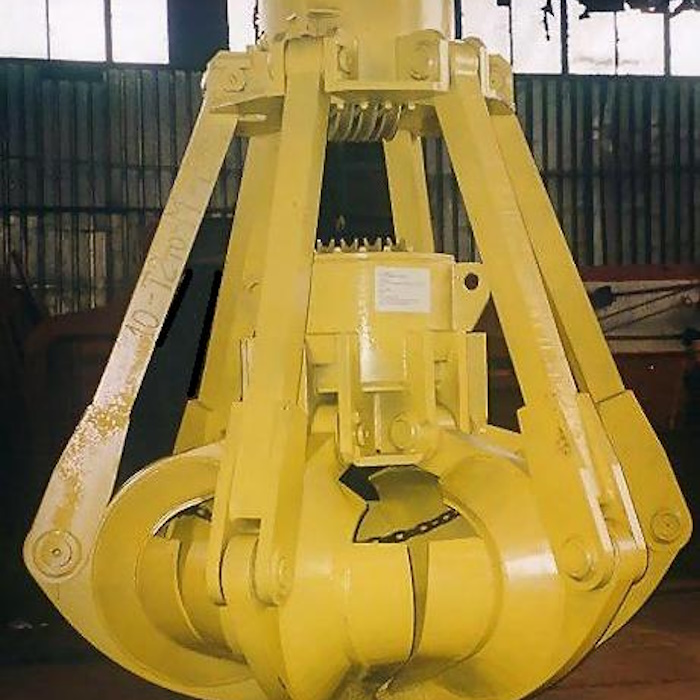
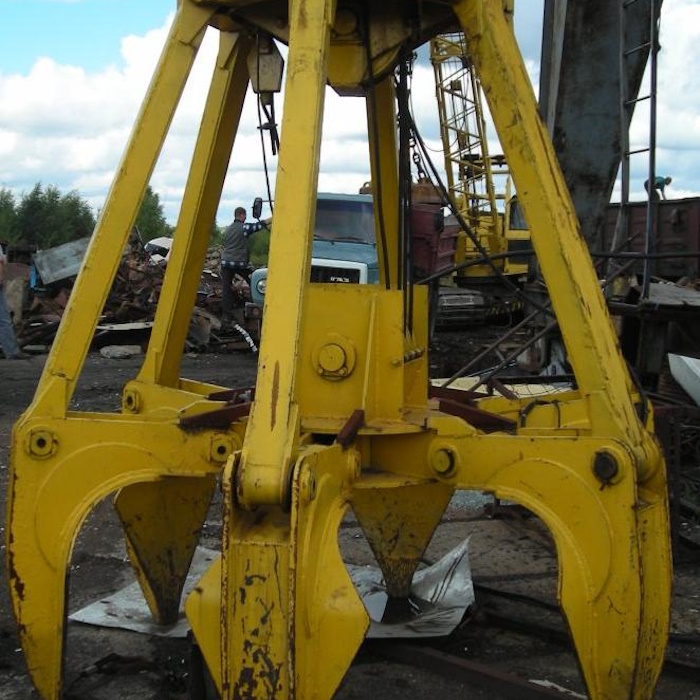
Fig. Multi-jaw rope grab

Cargo groups according to GOST 24599-87. Two-jaw rope grabs for bulk materials (suffixes following the main group designation: “т” – hard-to-penetrate; “л” – easy-to-penetrate; “с” – free-flowing; “лс” – highly free-flowing):

VL1–L2 (very light / light) – coal, coke, coal slag, grain, seeds, sugar, etc.
M1–M3 (medium) – sand, crushed stone, gravel, cement, coal screenings, metallurgical slag, chamotte, salt, sulfur, fertilizers, soil, etc.
H1–H2 (heavy) – bauxite, copper-nickel and iron ore concentrate, various types of ore, ferroalloys, etc.
VH1–VH2 (very heavy) – lead concentrate, etc.

Cargo groups according to GOST 24599-87. Multi-jaw rope grabs for scrap metal (suffix following the main group designation: “то” – irregularly shaped or elongated elements):

L2to – unsorted light scrap metal
M3to – unsorted scrap metal, predominantly lump or baled
H2to – sorted heavy lump or briquetted scrap metal
H2to – pig iron ingots

DEMZ
Request a Product
Consultation

Technical Features:

  • High performance and operational stability
  • High-strength, heavy-weld seams with 100% ultrasonic testing
  • Compliance with European and Ukrainian standards
  • High reliability, durability, and reinforced structural design
  • Custom design capability and advanced materials
  • Ease of operation and maintenance, quick installation, and fast adaptation
  • Accompanying technical documentation — product passport, operating manual, service logbook, and technical regulations
  • 1-year warranty, 5-year service life
  • Technical support during and post-warranty periods
  • Tailored approach fulfilling Customer specifications

Table. DEMZ® Mechanical Rope Grabs according to GOST 24599-87 and TU U 29.2-13425008-007

Grab TypeCrane Cap., tWeight, kgGeometric Capacity, m3Rope Dia., mmReeving RatioNo. of JawsDensity, t/m3Handled Material
For handling grain and coal
5-Л1с-В522003.524420.7-0.8Grain
5-Л2-В52080324420.8-1.0Coal
10-Л1-Пр-В1048006.824420.6-0.8Grain
10-Л1-Пр-В1045006.924320.6-0.8Grain
10-Л2-Пр-В1041005.324320.8-1.0Coal
10-Л2-Пр-В1049805.324420.8-1.1Coal, grain
10-Л2с-Пр-В104800724320.6-1.0Grain
16-Л2-Пр-В166235928320.8-1.0Coal
25-Л2с25960015.232420.8-1.0Grain
30-Л2с30112002136420.6-0.8Grain
For handling scrap metal
5-Т2то-М-В525000.524582-3.2Scrap metal
10-С3то-М1056401.624561.8-2.7Scrap metal
10-Т2то-М-В1053000.921462.5-3.2Pig iron ingot
10-Т2то-М-В1051001.224562.5-3.2Scrap metal
16-Т2то-М1674002.628482.5-3.2Scrap metal
16-Т2то-М1675502.6528462.5-3.2Pig iron ingot
20-Т2то-М2093303.7528482-3.2Scrap metal
25-ВТ1т-М25123004.132462.2-3.7Pig iron ingot
For handling sulfur, mineral fertilizers, sand, clay, etc.
5-С2-4к-В517502.215421.25-1.45Sand
5-С3л-В519001.824421.6-1.8Sand, clay
5-Т1-В520001.824421.6-1.8Sand, clay
10-С2-Пр-В1635604.624421.4Sulfur, potassium chloride
10-С3-Пр-В1040003.4524421.75Clay
10-С3-Пр-В1037003.524421.6-2.0Clay
16-С1л-Пр-В166100828321.0-1.2Sulfur, kaolin
16-С2-Пр-В166000728321.25-1.6Sand, sulfur
16-С2-Пр-В1662506.228421.6Clay, sulfur
16-С3-Пр-В1661905.228421.5-1.9Sand, crushed stone
25-С2с251000010.736421.4Lumpy sulfur
30-С3т309100936421.5-1.9Clay
For mining and metallurgical cargoes
5-Т1-1к515001.316321.8-2.4Sludge
5-Т2-В519001.424522.5-3.2Ore
5-С3-В522491.513.5321.8Ore, slag
8-Т2-т829001.818322.1-2.8Sludge
10-Т1-Пр-В1039452.824422.0-2.5Ore
10-Т2-Пр-В1036802.424422.5-3.2Ore, pellets
10-С3-В103750318421.5-1.9Ferroalloys
10-Т2-В1048601.618622.5-3.0Ore, slag
10-С3л-Пр-В106140224321.7Ore, slag
10-С2-В105050317521.25-1.8Ore, slag
15-С2-В1585602.521521.25-1.6Slag
16-Т1-Пр-В1656604.228422.0-2.5Ore
16-Т2-Пр-В1656003.528422.5-3.2Ore, pellets
16-ВТ11675002.625623.0-3.2Slag processing
16-Т2т165300424522.0-2.6Sludge
20-Т12084563.227622.15Concentrate
30-С33013253833521.6-2.0Sinter
30-С2301480013.233521.25-1.3Granulated slag

Model Designation for DEMZ GK Series Rope Grab.

Example: GK-10-3.2-_-M3t-Pr-V

  • G = grab,
  • K = rope mechanism,
  • 10 = Q – min. allowable crane capacity, t,
  • 3.2 = V – grab capacity, m3,
  • -_- = 2-jaw (clamshell) (multi-jaw is designated by the letter M),
  • M3t = granite cobblestone, material bulk density for handling γ ≤ 2.1 t/m3,
  • Pr = jaw opening orientation (longitudinal),
  • V = railcar clearance application.
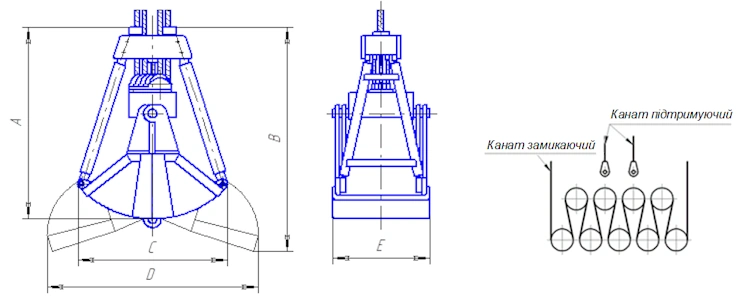
Fig. Metallurgical two-jaw (clamshell) four-rope grab: dimensional drawing and reeving diagram

We will be glad to assist you in selecting the grab best suited for your production needs.

We look forward to receiving your inquiries.

30+

years in the CIS and European equipment market

2000+

units of manufactured products

3000+

units of industrial equipment repaired

20+

types and varieties of products

DEMZ

Gallery

DEMZ

Our standards

DEMZ

Product Videos

DEMZ

Contact Us

Frequently Asked Questions (FAQ)

The lifting capacity of an electromagnet is the maximum load weight permitted to be lifted and moved by the magnet. It typically equals 0.5 of the breakaway (tear-off) force, providing a safety factor for secure operation.
The lifting capacity depends on the magnitude of the magnetic flux in the core. The flux increases as the magnetomotive force increases and as the magnetic reluctance of the circuit decreases.
Copper coils cost twice as much as aluminum ones; copper has 1.7 times higher conductivity than aluminum; copper density is 3.3 times higher than aluminum; copper’s specific heat capacity is 3 times lower than aluminum’s; copper coils offer more repair cycles and a longer service life than aluminum.

Welded steel housings are simple and cost-effective to produce. The advantages of a cast magnetic core over a welded one include cooling fins, greater operational durability, solid structural integrity, and the complete absence of internal air gaps.

Overheating, lower density of scrap metal, switching to metal stock with larger air gaps, and malfunctions in the control cabinet (voltage converter).

Improper operation (faulty control cabinet, overheating, moisture exposure, overvoltage), coil-to-housing breakdown (ground fault), open-circuit/broken conductors, and inter-turn short circuits within the coil.

General-purpose, underwater, heat-resistant.