Magnet Control Systems
Product Range
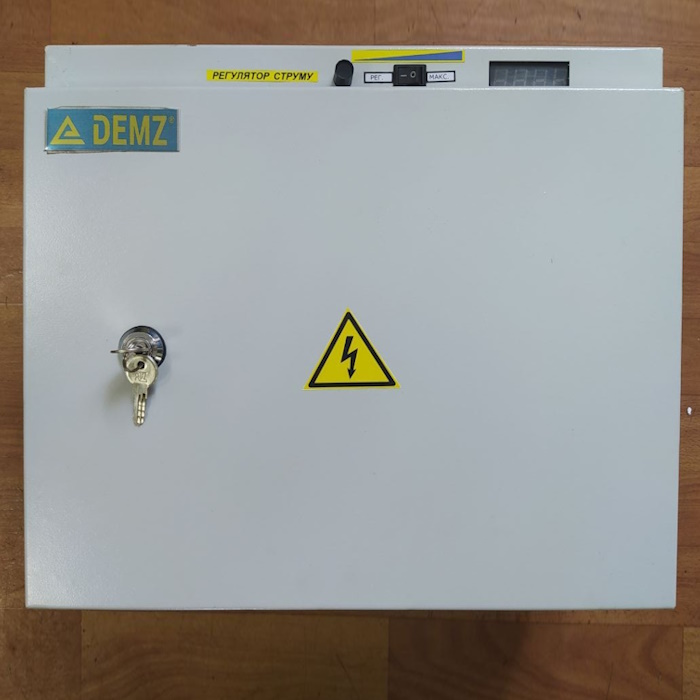
Magnet Control Cabinet

DEMZ manufactures DC lifting electromagnet control systems — control stations and uninterruptible power supplies — under the DEMZ® trademark in accordance with TU U 27.9-20215091-003. We manufacture equipment according to Customer requirements and technical specifications.
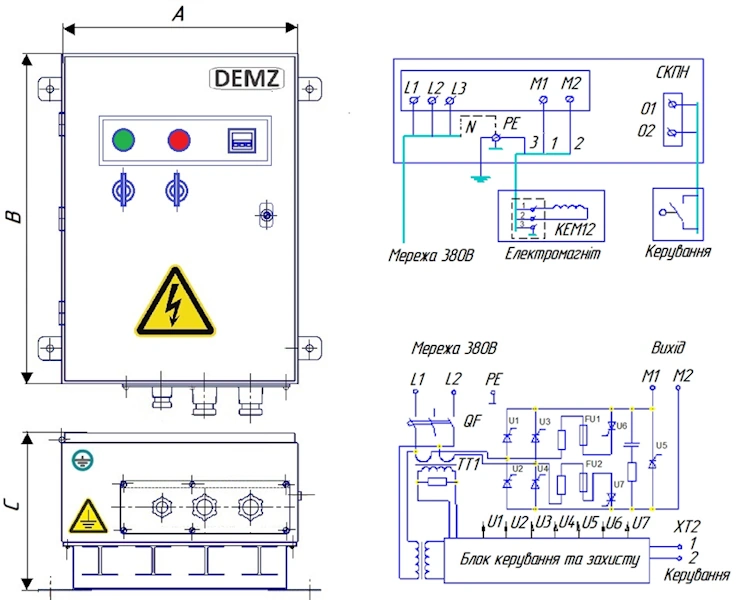
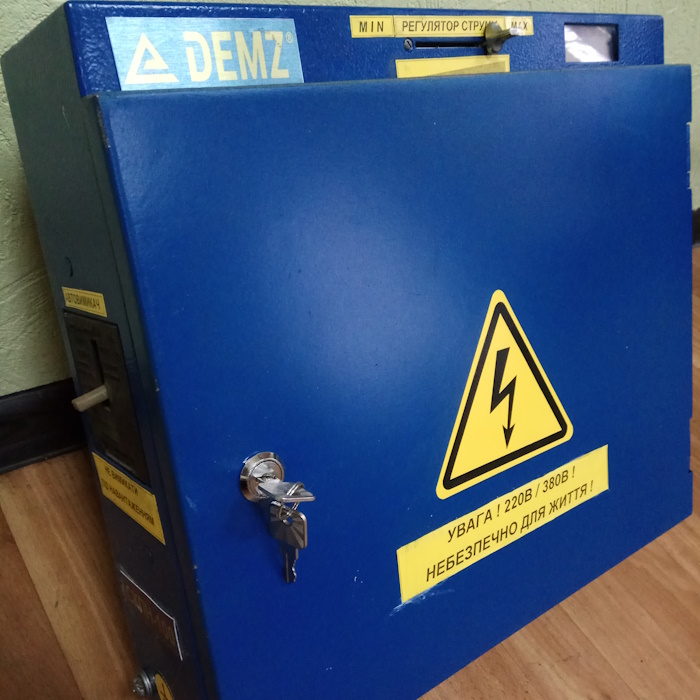
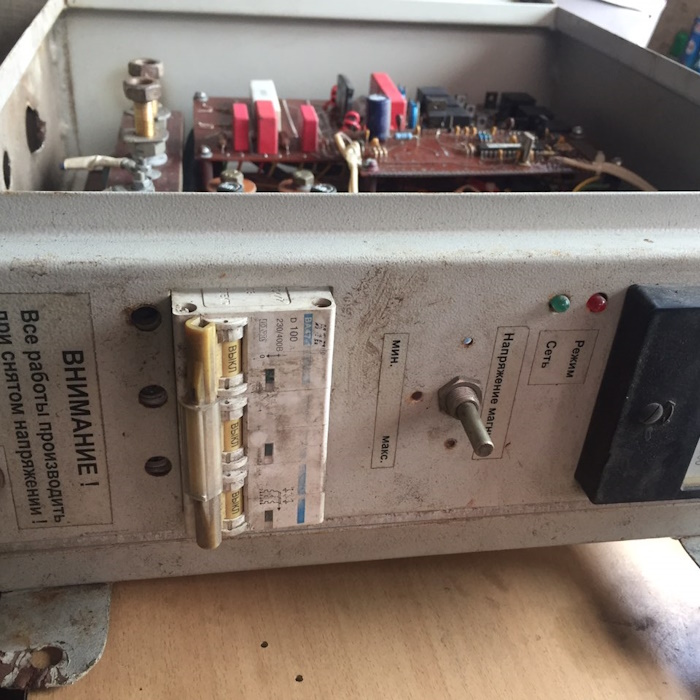
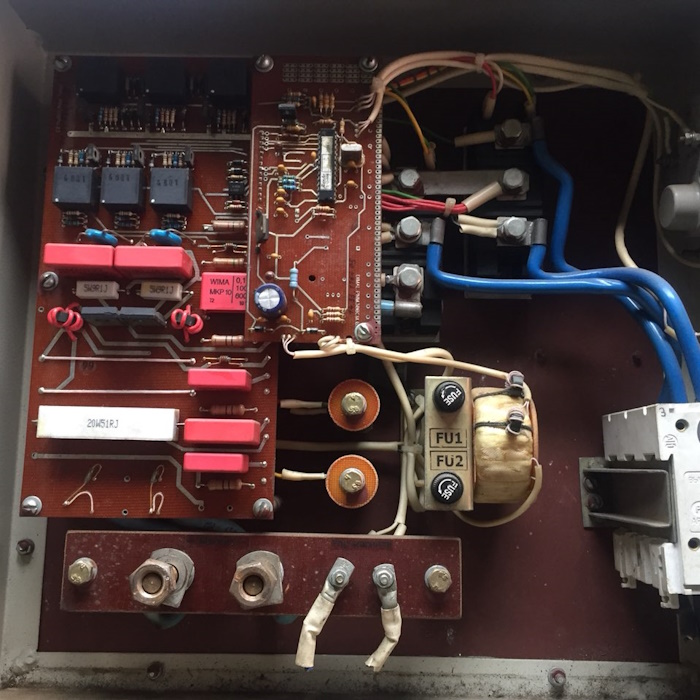
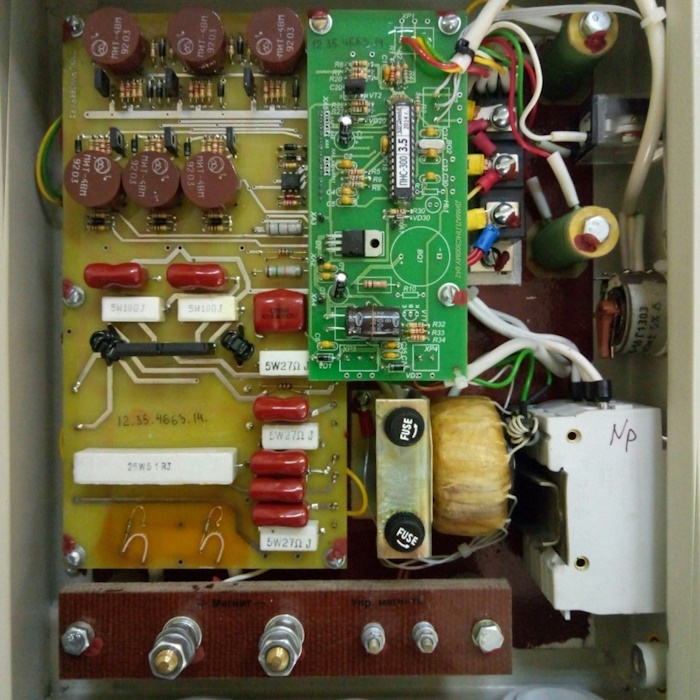
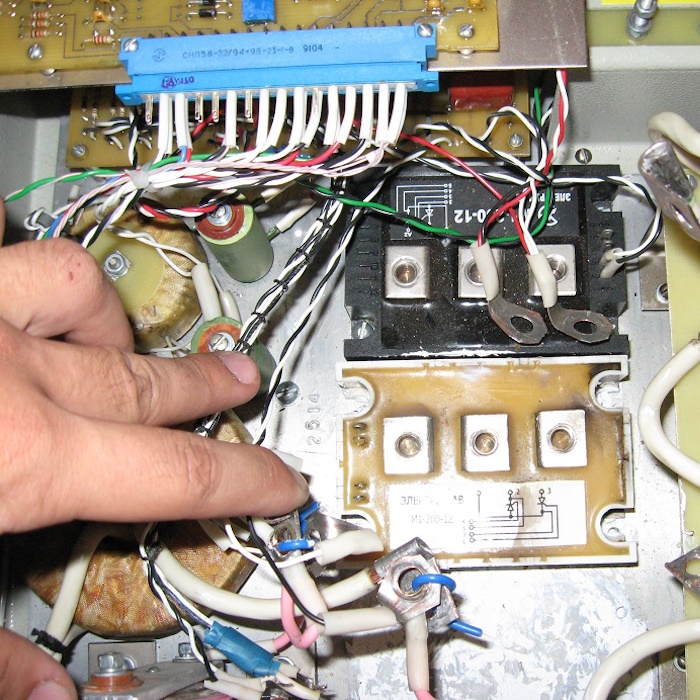
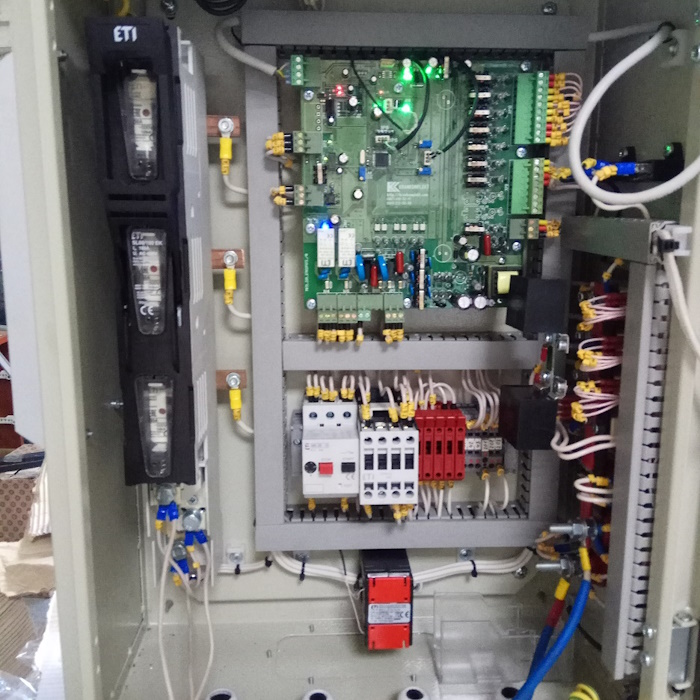
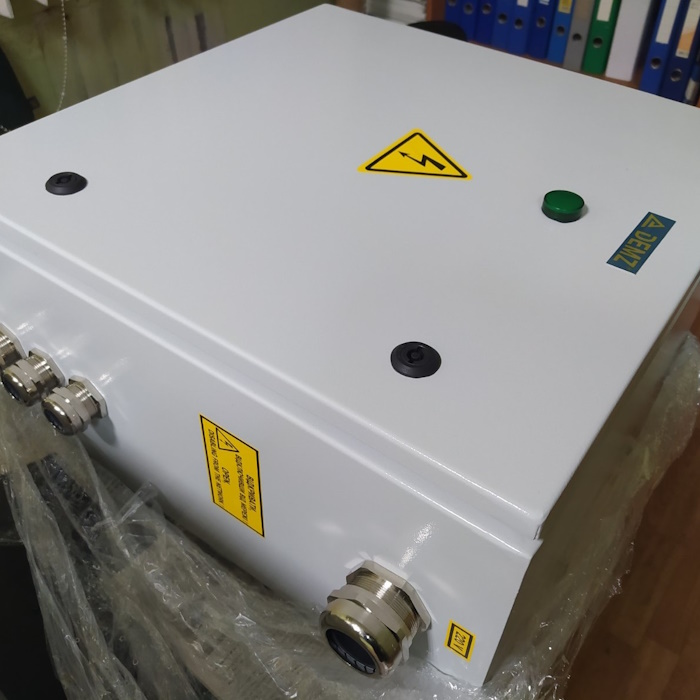
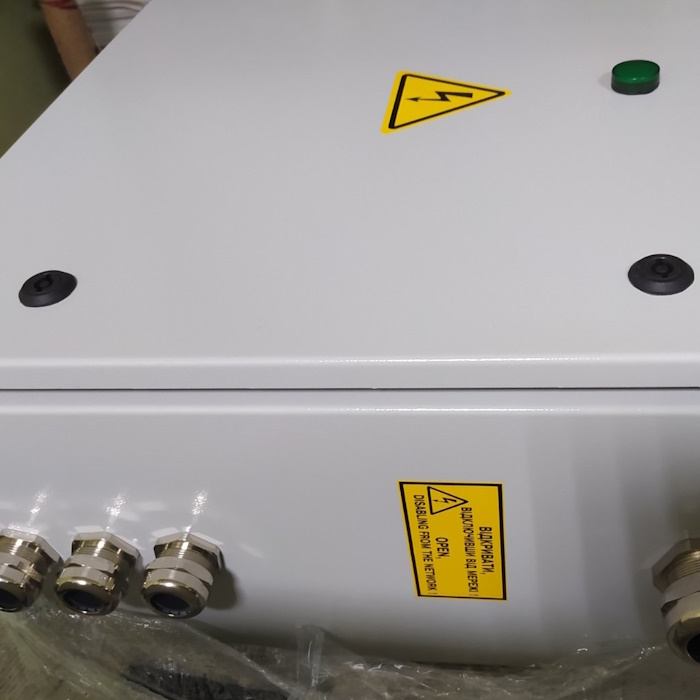
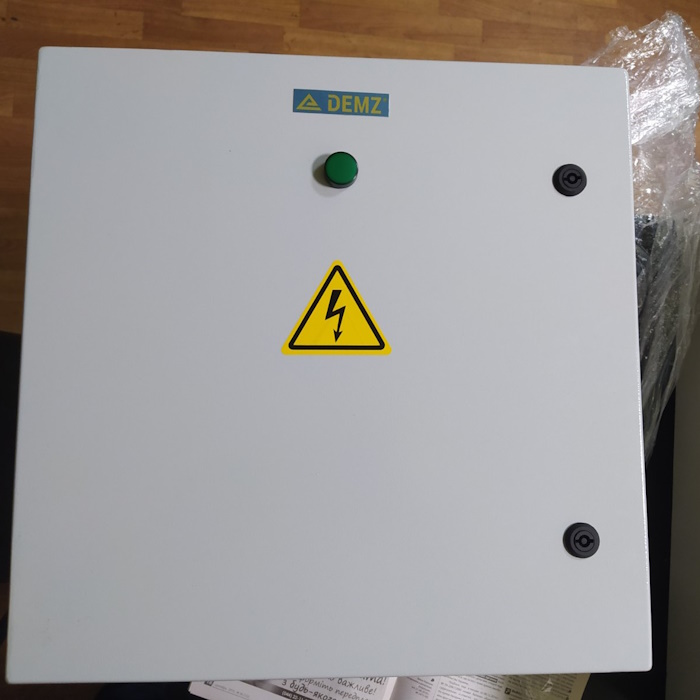
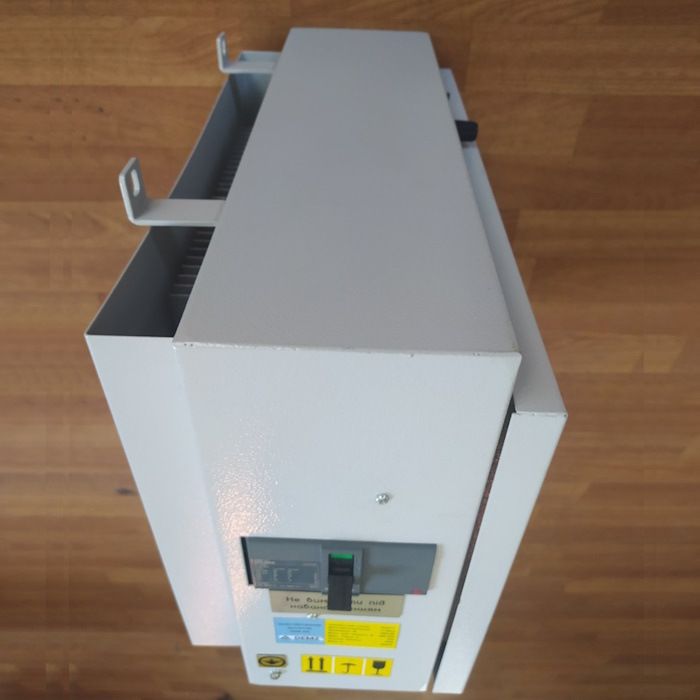
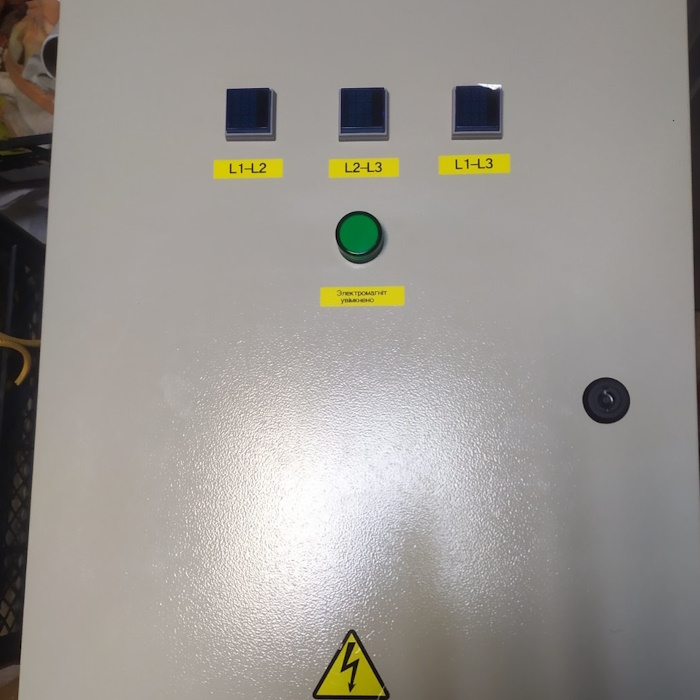
Control cabinet — electromagnet voltage converter (station) DEMZ® type ShKM is designed to supply direct current and control lifting electromagnets. An ShKM unit can serve multiple magnets whose total current at normal operating temperatures does not exceed maximum rated current, at voltages up to 230 V. The stations are designed for installation and operation inside a crane cab under the following conditions: ambient air temperatures from -20°C to +40°C; nominal environmental climate factors for climate version U and placement category 3 per GOST 15150; maximum altitude up to 1000 m above sea level; non-explosive environment free of insulation-degrading gases and vapors; installation in areas subject to mechanical vibration from 0.1 to 100 Hz with acceleration up to 20 m/s2 (M25 per GOST 17516.1) is permitted. ShKM units are installed inside the operator’s cab in an easily accessible location. ShKM units are operated on various types of lifting machinery, including excavators, material handlers, as well as mobile, overhead, gantry, and portal cranes.

Customer options: for ease of installation and operation, we manufacture mounting elements adapted to the structural features of the ShKM installation site.
Technical features:
- compliance with European and Ukrainian standards
- high reliability and durability
- high performance
- convenient terminal layout
- ease of operation.
Consultation
| Designation | ShKM50U3 | ShKM100U3 |
| Power supply (two phases used) | three-phase | |
| Supply voltage, V | 380 | |
| Maximum output voltage, V | 220…230 | |
| Maximum current, max., A | 50 | 100 |
| Minimum current, max., A | 5 | |
| Demagnetization time, max., s | 10 | |
| Frequency, Hz | 50 | |
| Duty cycle (ED), % | 75 | |
| Protection rating, IP | 10 | |
| Overall dimensions, A x B x C, approx. mm | 300x400x200 | 350x450x200 |
| Weight, approx. kg | 8.6 | 12 |
We will be happy to help you choose an electromagnet control station that best suits your production needs.
We look forward to receiving your inquiries.
Consultation
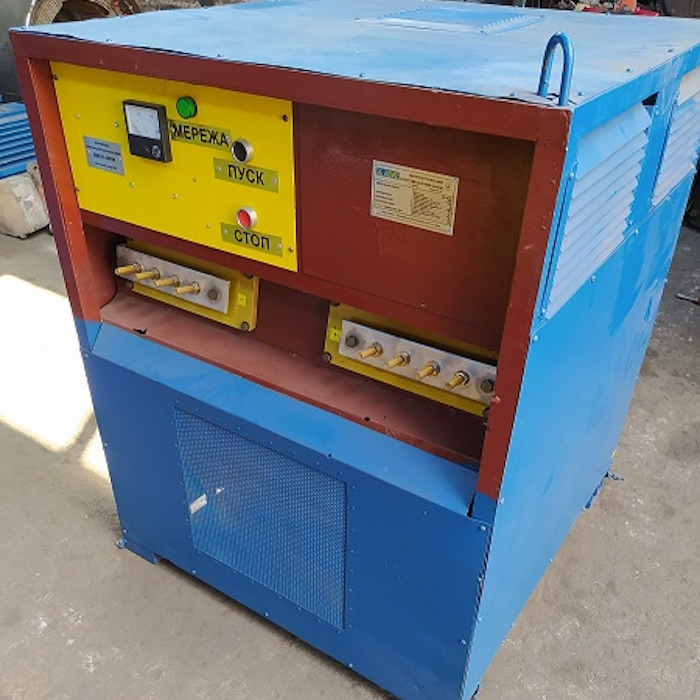
Uninterruptible Power Supply (UPS)
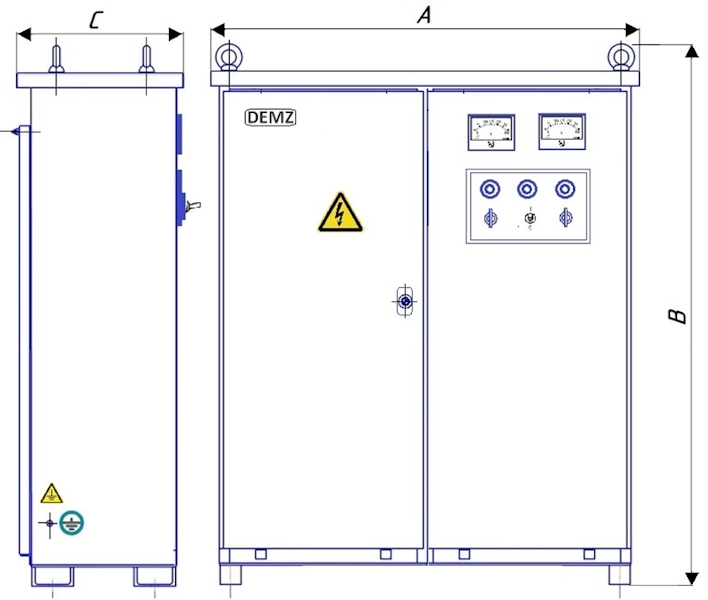
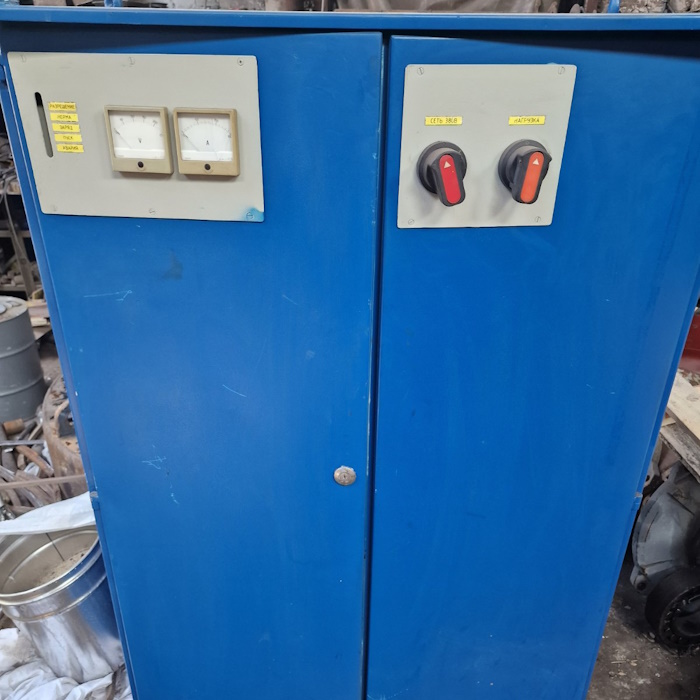
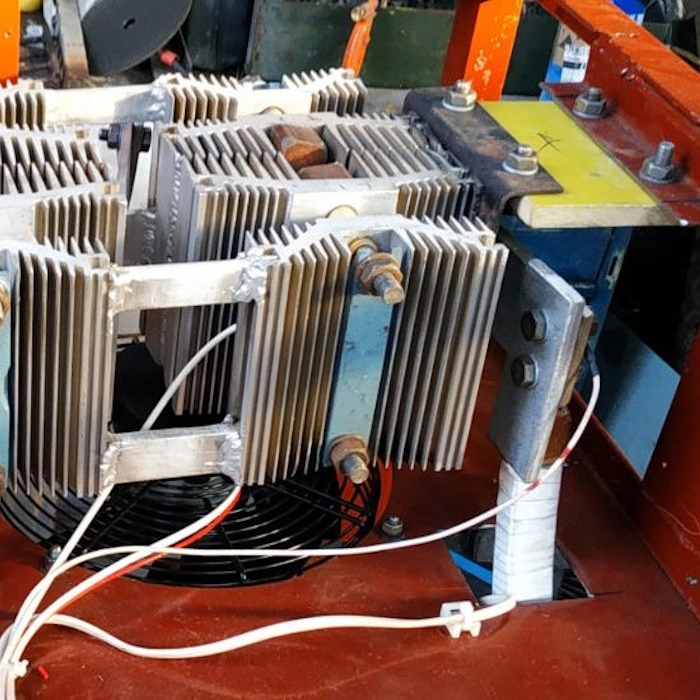
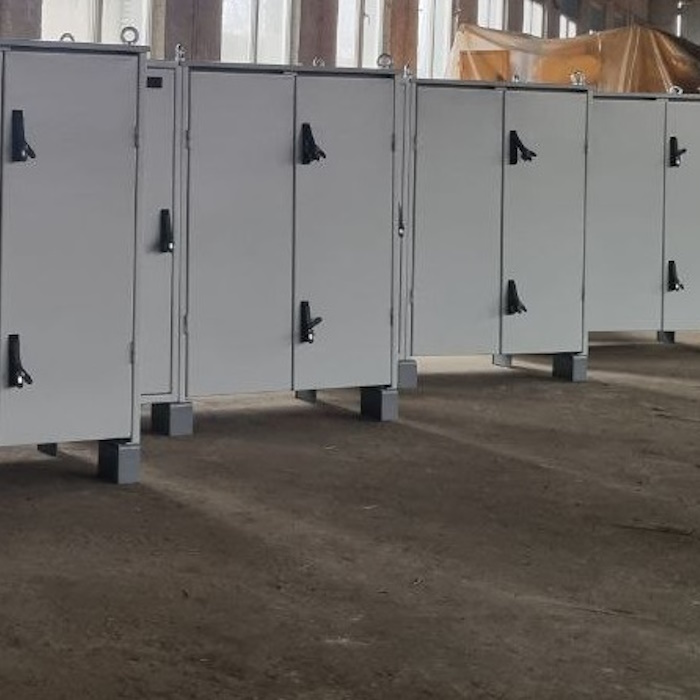
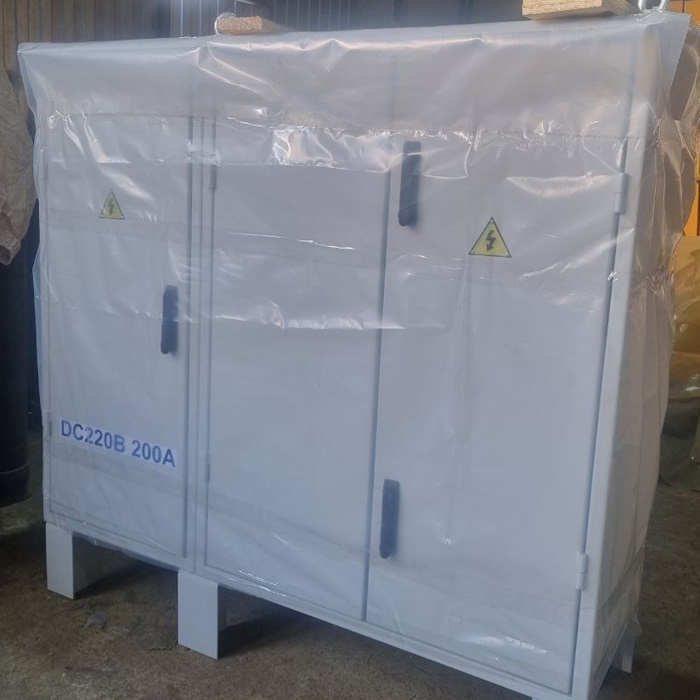
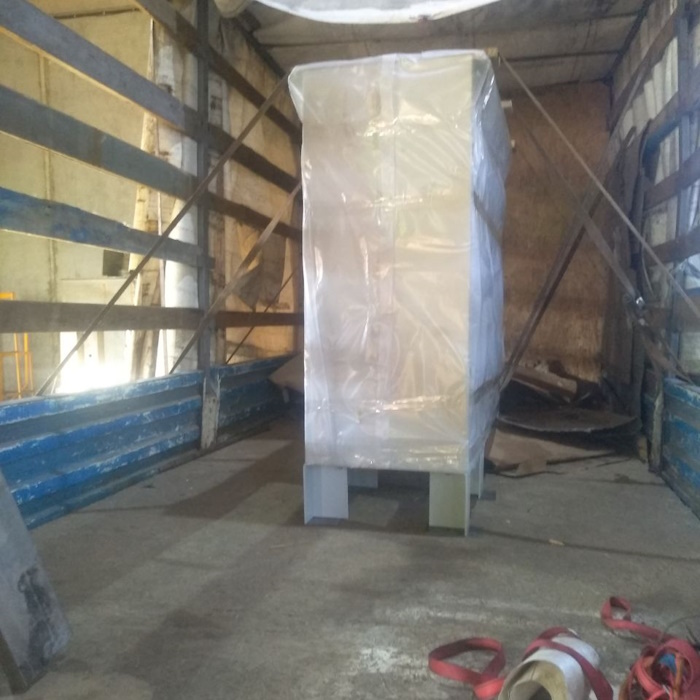
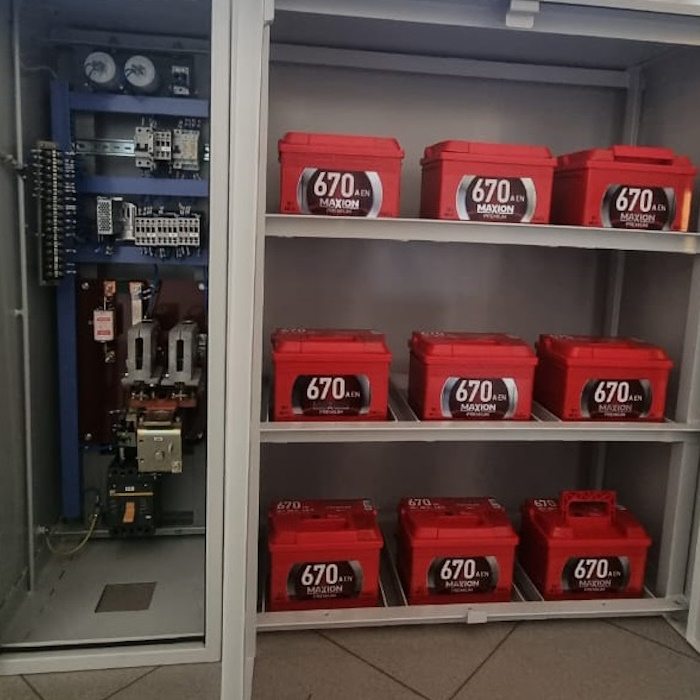
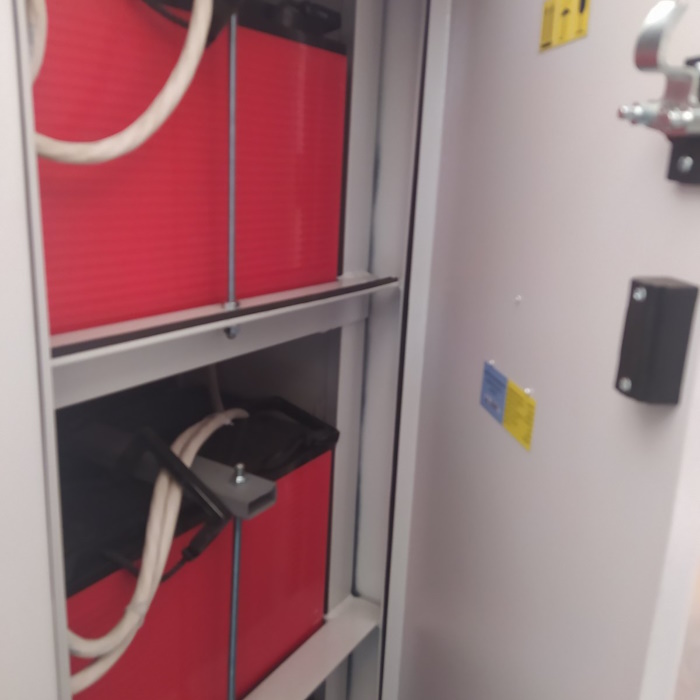
DEMZ® uninterruptible power supply, IBP type, is designed for emergency backup power supply to DC lifting electromagnets operating at voltages up to 230 V. The UPS can serve multiple magnets whose total current at normal operating temperatures does not exceed maximum rated current, at voltages up to 230 V. The UPS is connected in parallel with the electromagnet. The uninterruptible power supply signals a loss of main power supply and switches the operation of the electromagnet to backup battery power. UPS units are designed for installation and operation on the main girder of an overhead/gantry crane, in the machinery room of a portal crane, or on the floor nearby under the following conditions: ambient air temperatures from -20°C to +40°C; nominal environmental climate factors for climate version U and placement category 3 per GOST 15150; maximum altitude up to 1000 m above sea level; non-explosive environment free of insulation-degrading gases and vapors; installation in areas subject to mechanical vibration from 0.1 to 100 Hz with acceleration up to 20 m/s2 (M25 per GOST 17516.1) is permitted.
Customer options: for ease of installation and operation, we manufacture mounting elements adapted to the structural features of the UPS installation site.
Technical features:
- compliance with European and Ukrainian standards
- high reliability and durability
- high performance
- convenient terminal layout
- ease of operation
- ensures the necessary operational safety
- prevents accidental load release upon loss of supply voltage
| Designation | IBP100U3 | IBP150U3 |
| Power supply (two phases used) | three-phase | |
| Supply voltage (input), V ±10% | 380 | |
| Maximum output voltage, V ±5% | 220 | |
| Maximum current, A, ≤ | 100 | 150 |
| Operating time under load (battery) with current, min, ≤ | 20 | |
| Number of batteries, pcs. | 18 | |
| Frequency, Hz | 50 | |
| Duty cycle (ED), % | 75 | |
| Protection rating, IP | 10 | |
| Batteries used | Battery type 12V-55Ah; battery charge current – 5…7 A; U min to enable battery operation – 200 V; U in battery float charge mode 225…230 V | |
| Overall dimensions, A x B x C, approx. mm | 1500x1400x700 | |
| Weight, approx. kg | 370 | 550 |
We will be happy to help you choose an electromagnet control station that best suits your production needs.
We look forward to receiving your inquiries.
years in the CIS and European equipment market
units of manufactured products
units of industrial equipment repaired
types and varieties of products
Our standards
Contact Us
Frequently Asked Questions (FAQ)
The lifting capacity of an electromagnet is the maximum load weight permitted to be lifted and moved by the magnet. It typically equals 0.5 of the breakaway (tear-off) force, providing a safety factor for secure operation.
The lifting capacity depends on the magnitude of the magnetic flux in the core. The flux increases as the magnetomotive force increases and as the magnetic reluctance of the circuit decreases.
Copper coils cost twice as much as aluminum ones; copper has 1.7 times higher conductivity than aluminum; copper density is 3.3 times higher than aluminum; copper’s specific heat capacity is 3 times lower than aluminum’s; copper coils offer more repair cycles and a longer service life than aluminum.
Welded steel housings are simple and cost-effective to produce. The advantages of a cast magnetic core over a welded one include cooling fins, greater operational durability, solid structural integrity, and the complete absence of internal air gaps.
Overheating, lower density of scrap metal, switching to metal stock with larger air gaps, and malfunctions in the control cabinet (voltage converter).
Improper operation (faulty control cabinet, overheating, moisture exposure, overvoltage), coil-to-housing breakdown (ground fault), open-circuit/broken conductors, and inter-turn short circuits within the coil.