Magnetic Separators
Product Range
Magnetic Separators DEMZ

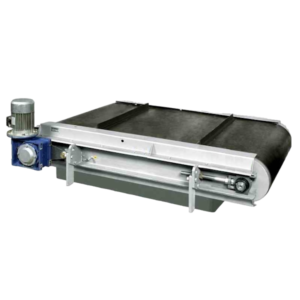
DEMZ manufactures a wide range of magnetic separators under the DEMZ® trademark in accordance with TU U 27.9-20215091-003 for use at scrap processing yards, mineral processing plants, non-metallic and mining industry facilities, building material manufacturing plants, thermal power plants, grain elevators and other agricultural facilities, coking plants, and other industrial sites (except underground mine workings) to protect processing equipment operating parts from damage caused by tramp ferromagnetic items transported on belt conveyors.
Depending on Customer preferences and production requirements, DEMZ® magnetic separators:
- can be manufactured in an explosion-proof design for operation in hazardous areas of coal preparation plants, screening facilities, coking plants, and other industrial sites;
- are designed to extract ferromagnetic items weighing 0.01–70 kg from streams of various non-magnetic bulk and lump materials (clay, coal, sand, wood chips, crushed stone, dolomite, cement, salt, sugar beet, seeds, etc.) transported on belt conveyors with belt widths of 500–2,000 mm;
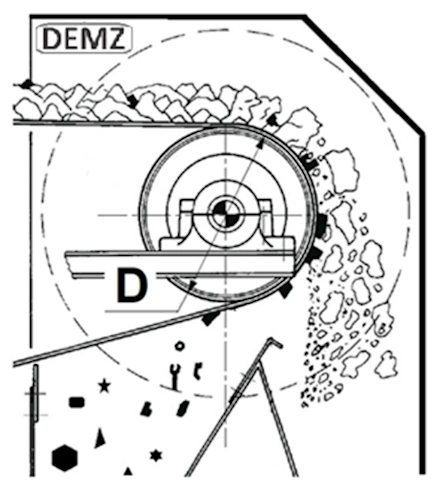
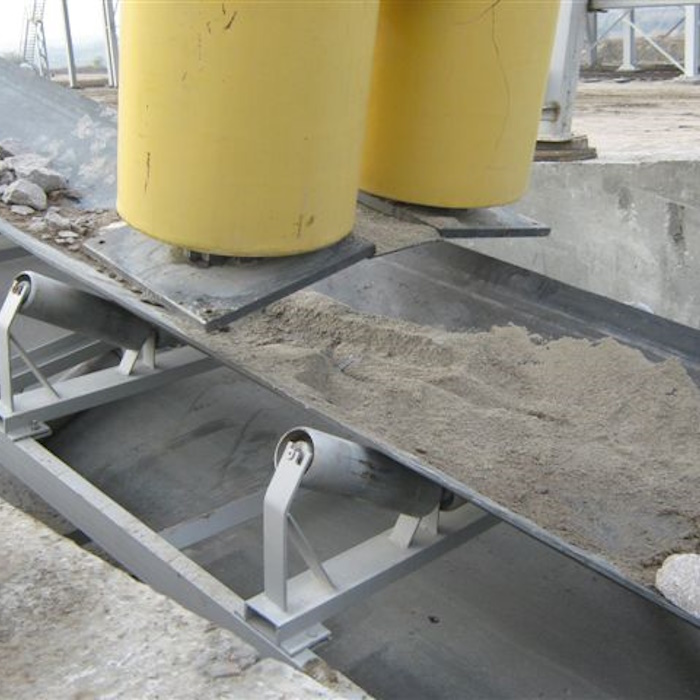
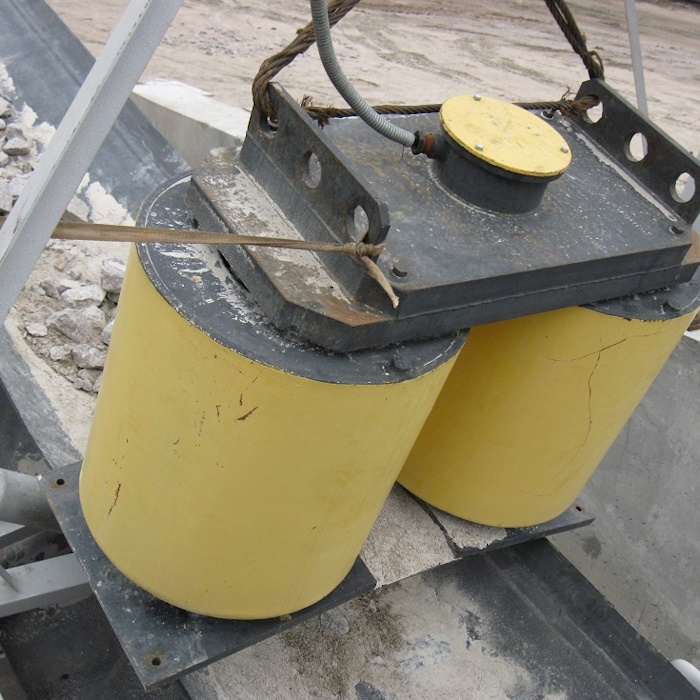
- can be installed at conveyor discharge points, suspended over the belt, or fitted in place of drive or non-drive pulleys depending on operational conditions;
- are provided with installation, commissioning, and supervision services.

Consultation
Magnetic Separators
DEMZ® magnetic separators are designed to separate and extract foreign ferromagnetic objects from bulk material streams transported on belt conveyors at relative air humidity up to 85% and ambient temperatures ranging from -20°C to +40°C (GOST 15150-69) in environments free from chemically active gases, vapors, and dust that degrade metals and electrical insulation. The selection of magnetic separators is based on the volume and size of foreign ferromagnetic items, belt width, and material burden depth. Accordingly, the primary technical characteristics are the extraction zone depth and the mass of extractable objects.
Upon Customer request, DEMZ® magnetic separators can be manufactured as direct current (DC) electromagnets or based on permanent magnets.
DEMZ currently manufactures the following main types of DC electromagnetic and permanent magnet separators:
- suspended (PP – suspended U-shaped core; PSh – suspended E-shaped core);
- suspended self-discharging / self-cleaning (PSE);
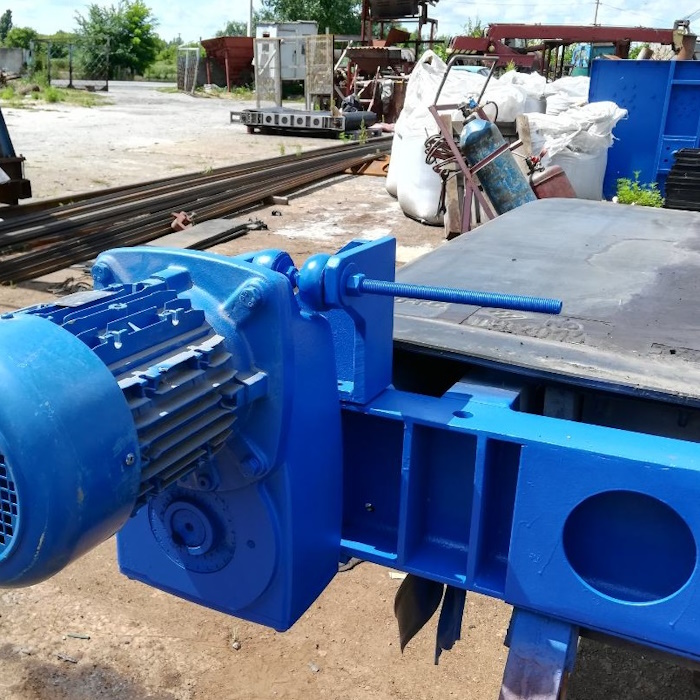
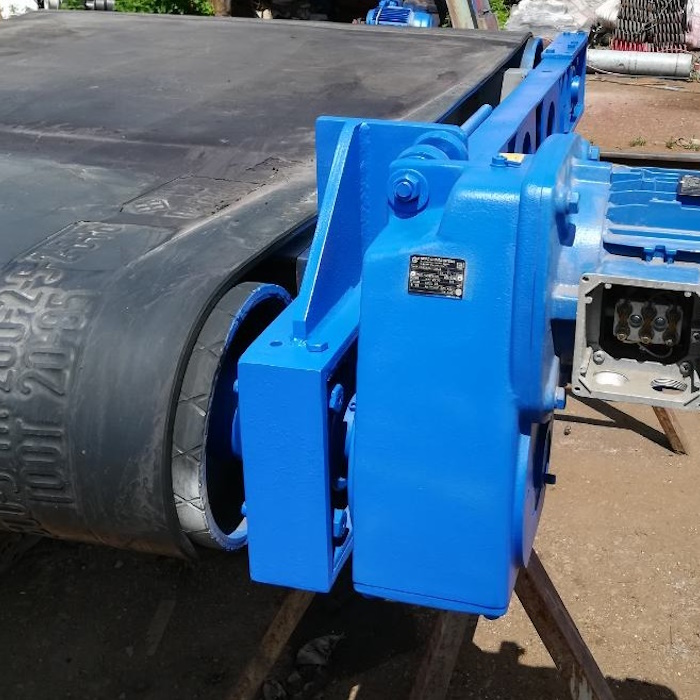
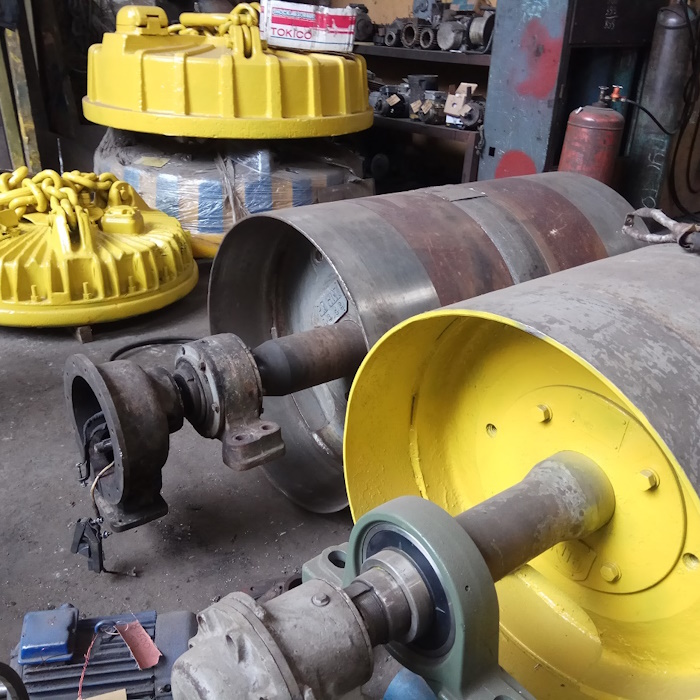
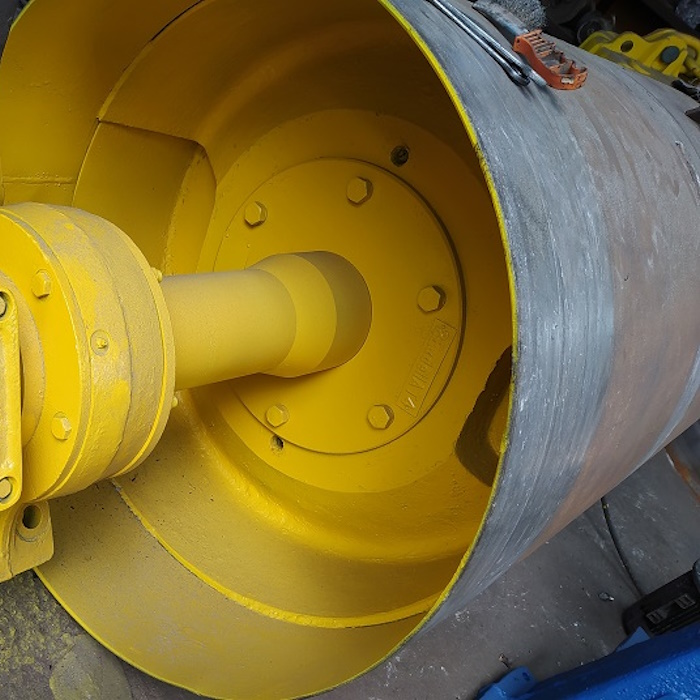
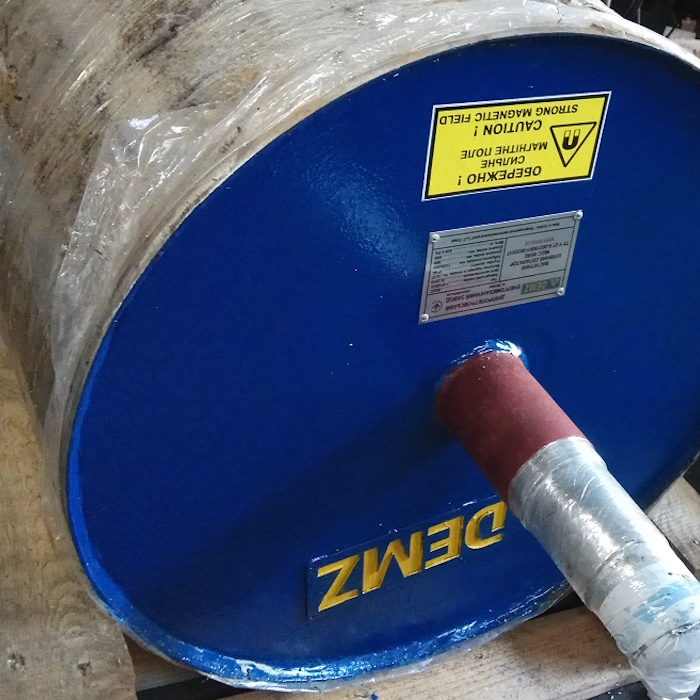
- pulley separators / magnetic drums (ShE).
DEMZ® magnetic separators comply with the core regulatory documents governing lifting equipment and industrial machinery: GOST 22644-77 (ST SEV 1333-78) Belt Conveyors; KVED 009: 2010-8505905000; NPAOP 0.00-1.80-18 (formerly NPAOP 0.00-1.01-07) Rules for the Design and Safe Operation of Hoisting Cranes and Lifting Equipment; NPAOP 0.00-1.32-01 Electrical Installation Regulations; KND 31.4.002-96 Technical Operation Rules for Seaport Material Handling Equipment; RD 31.82.03-87 Occupational Safety Regulations in Seaports; DSUPP Permit No. 0195.16.12; GOST 14255-69 Electrical Equipment up to 1000V. Enclosures. Degrees of Protection.
DEMZ® magnetic separators can be integrated into virtually all types of industrial processing equipment with compatible design and application requirements. Custom configurations can be manufactured upon Customer request for specialized industrial applications and operating conditions.
Depending on their intended application, DEMZ® magnetic separators feature ingress protection ratings from IP44 to IP68 (according to GOST 14255-69) and operate on a 100% duty cycle.
DEMZ® magnetic separators can be manufactured in various structural designs (with E-shaped or U-shaped magnetic cores, or magnetic pulleys) and supplied with copper or aluminum coils in cast or welded enclosures according to Customer specifications.
To optimize energy efficiency, DEMZ® magnetic separators can be synchronized with a conveyor metal detector to activate automatically upon signal detection.
Consultation
- compliance with European and Ukrainian standards;
- high reliability and durability;
- high performance;
- high duty cycle and operational stability;
- custom design;
- compact size and flexible positioning over the conveyor;
- advanced materials;
- reinforced magnetic core structure with enlarged poles;
- efficient heat dissipation technology;
- special custom configurations;
- ease of operation and maintenance;
- accompanying technical documentation — passport, operation manual, service book, technical regulations;
- 1-year warranty;
- 5-year service life;
- technical support during and post-warranty period;
- customized approach, tailored to Customer requirements.
Мы будем рады помочь выбрать железоотделитель, который лучше всего подходит для Вашего производства.
Мы с нетерпением ждем Ваших запросов.
years in the CIS and European equipment market
units of manufactured products
units of industrial equipment repaired
types and varieties of products
Our standards
Contact Us
Frequently Asked Questions (FAQ)
The lifting capacity of an electromagnet is the maximum load weight permitted to be lifted and moved by the magnet. It typically equals 0.5 of the breakaway (tear-off) force, providing a safety factor for secure operation.
The lifting capacity depends on the magnitude of the magnetic flux in the core. The flux increases as the magnetomotive force increases and as the magnetic reluctance of the circuit decreases.
Copper coils cost twice as much as aluminum ones; copper has 1.7 times higher conductivity than aluminum; copper density is 3.3 times higher than aluminum; copper’s specific heat capacity is 3 times lower than aluminum’s; copper coils offer more repair cycles and a longer service life than aluminum.
Welded steel housings are simple and cost-effective to produce. The advantages of a cast magnetic core over a welded one include cooling fins, greater operational durability, solid structural integrity, and the complete absence of internal air gaps.
Overheating, lower density of scrap metal, switching to metal stock with larger air gaps, and malfunctions in the control cabinet (voltage converter).
Improper operation (faulty control cabinet, overheating, moisture exposure, overvoltage), coil-to-housing breakdown (ground fault), open-circuit/broken conductors, and inter-turn short circuits within the coil.