Lifting Magnets

DEMZ

Magnet Types

Lifting Magnets DEMZ

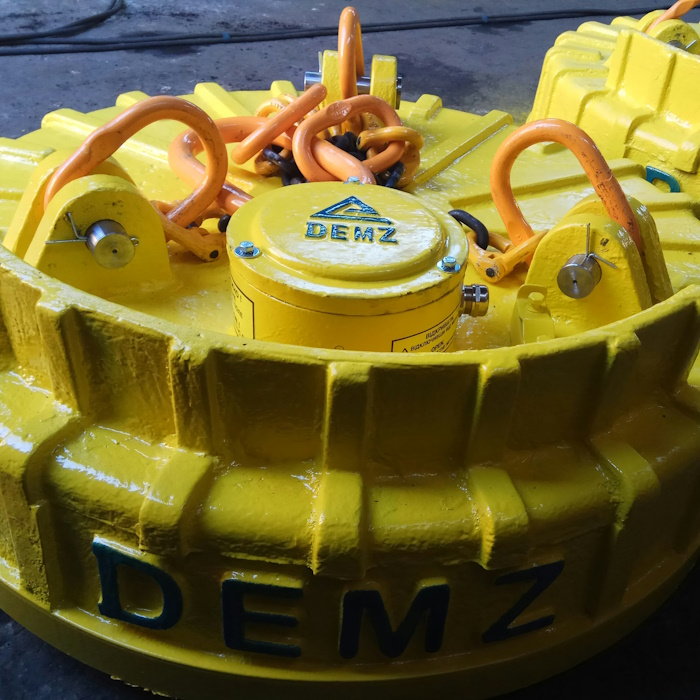
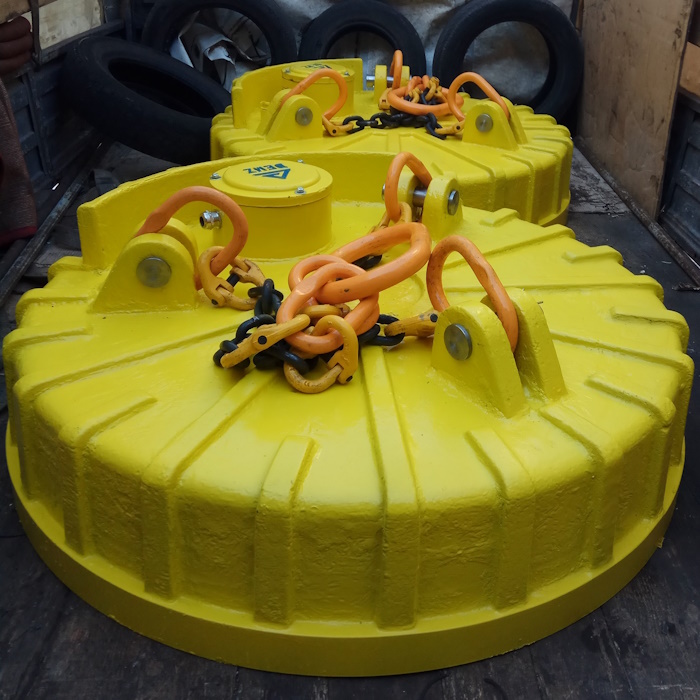
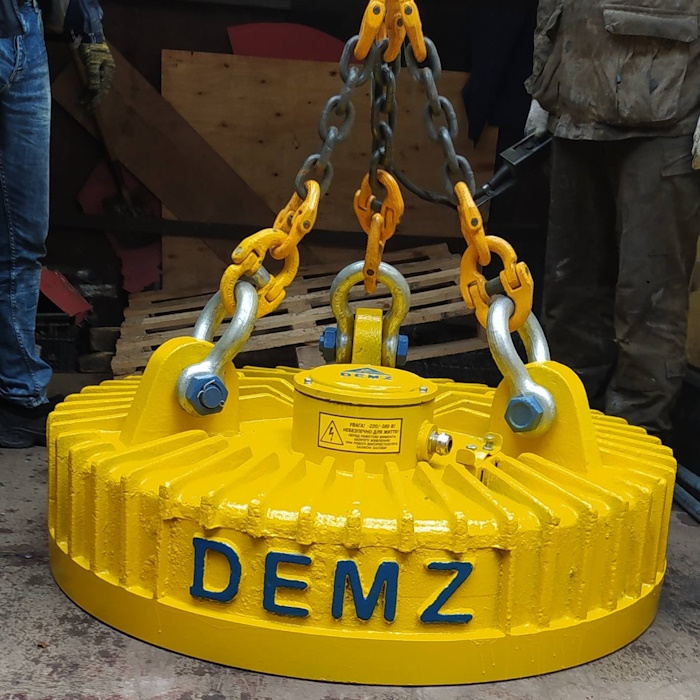
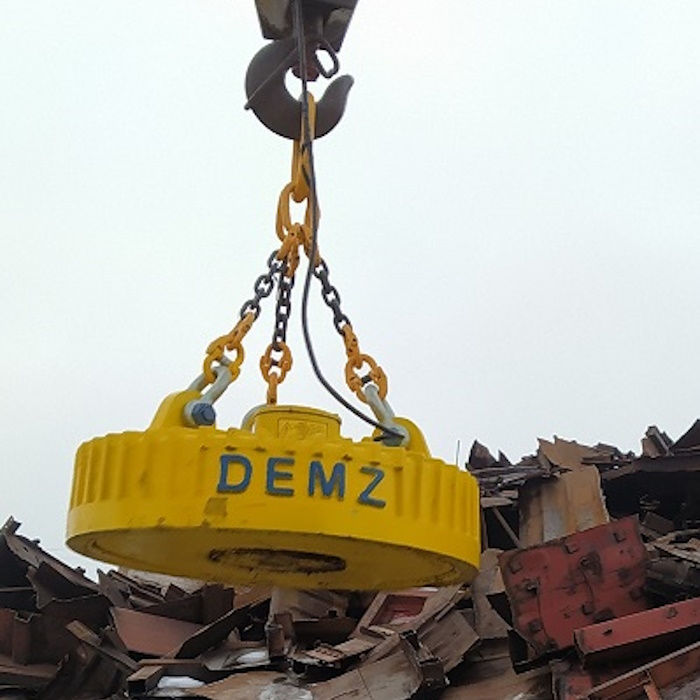
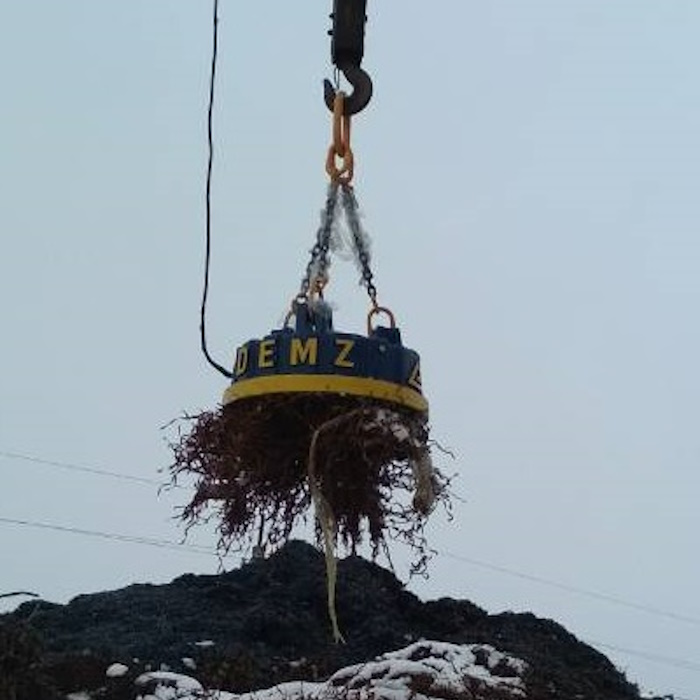
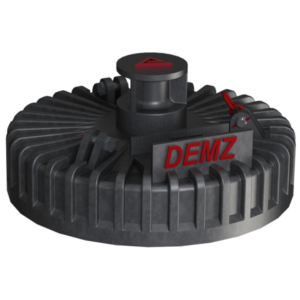
DEMZ manufactures DC lifting electromagnets under the DEMZ® trademark in accordance with Technical Specifications TU U 27.9-20215091-003. The electromagnets are designed for lifting and transporting ferrous materials, steel, and cast iron cargo (various rolled steel products, slabs, blooms, ingots, scrap, castings, etc.) at ambient temperatures ranging from -40°C to +40°C (GOST 15150-69) in environments free of chemically active gases, vapors, and dust that damage metals and electrical insulation. Depending on operational tasks, magnets are produced in rectangular (“PEM” type), circular (“KEM” type), and oval (“OEM” type) configurations.

DEMZ® magnets are upgraded equivalents of units previously produced in the USSR and match the quality standards of leading international manufacturers such as Woko (Germany), Felemamg (Spain), Gauss Magneti srl (Italy), and others.

DEMZ® magnets comply with key regulatory standards governing lifting machinery and equipment: KVED 009: 2010-8505905000; NPAOP 0.00-1.80-18 (formerly NPAOP 0.00-1.01-07) “Rules for the Design and Safe Operation of Cranes, Hoisting Devices, and Equipment”; NPAOP 0.00-1.32-01 “Electrical Installation Rules”; KND 31.4.002-96 “Rules for Technical Operation of Handling Equipment in Seaports”; RD 31.82.03-87 “Occupational Safety Rules in Seaports”; State Service of Ukraine on Regulatory Policy and Entrepreneurship (DSUPP) Permit No. 0195.16.12; GOST 14255-69 “Electrical Apparatuses for Voltages up to 1000V. Enclosures. Degrees of Protection”.

DEMZ
Request a Product
Consultation

Lifting Electromagnets DEMZ

DEMZ® magnets can be used on virtually all types of industrial handling equipment and cranes equipped with appropriate auxiliary systems.

DEMZ® magnets can be used on virtually all types of industrial handling equipment and cranes equipped with appropriate auxiliary systems.

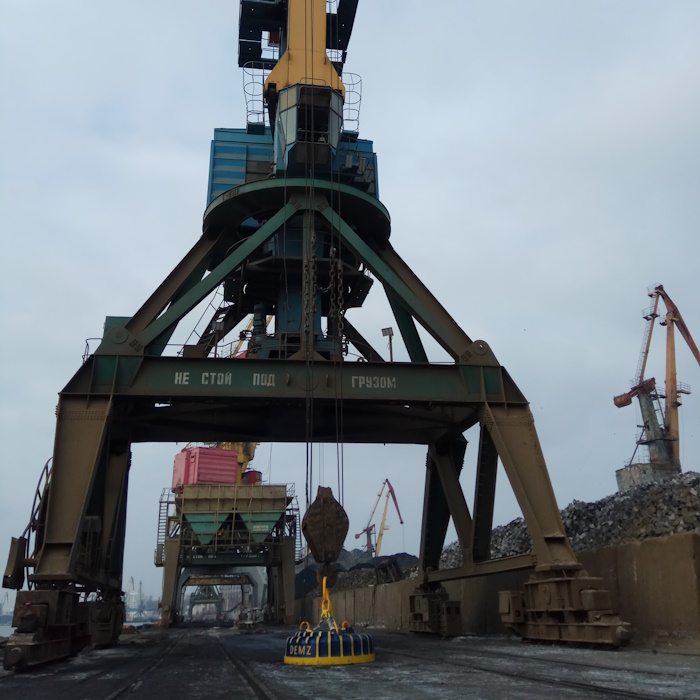
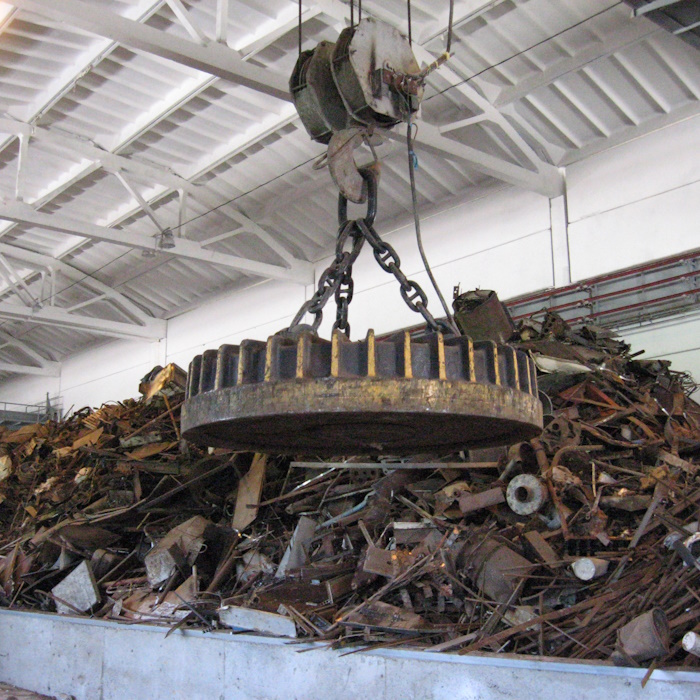
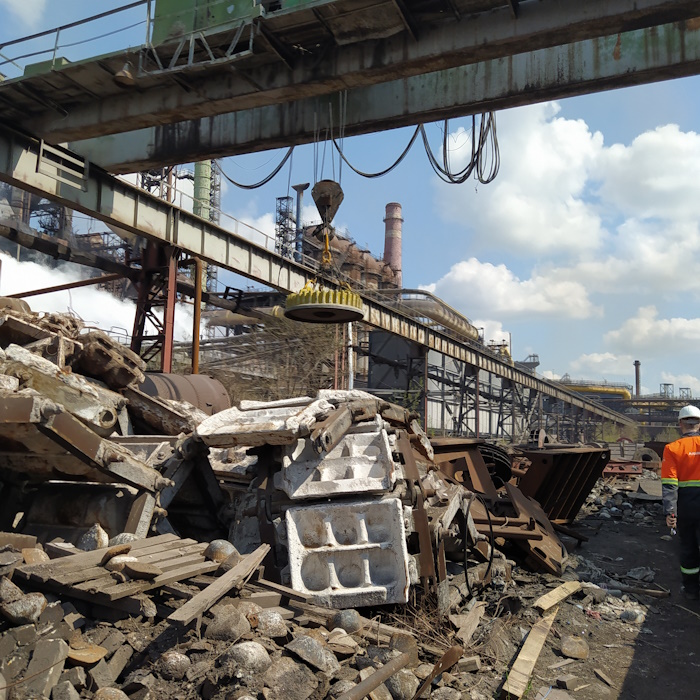
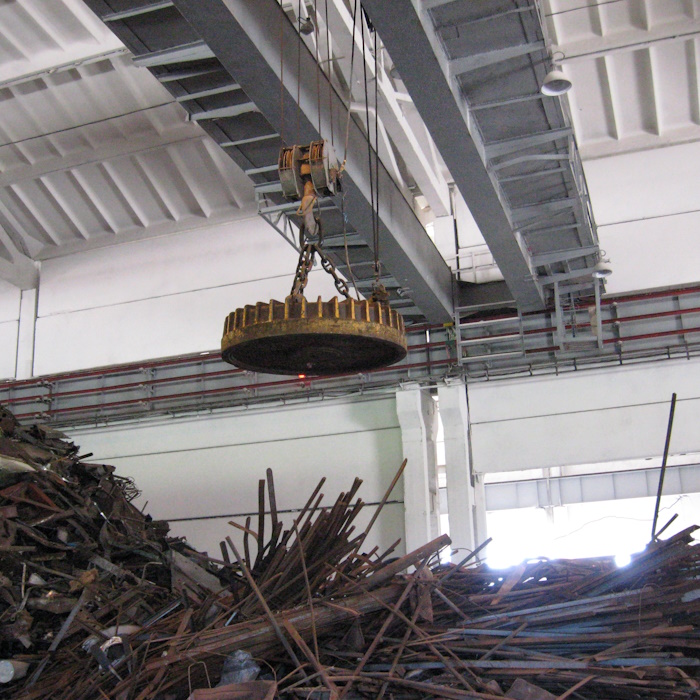
DEMZ® magnets are most widely used in the mining and metallurgical sectors, heavy engineering, and seaports for handling and transporting various ferromagnetic materials.

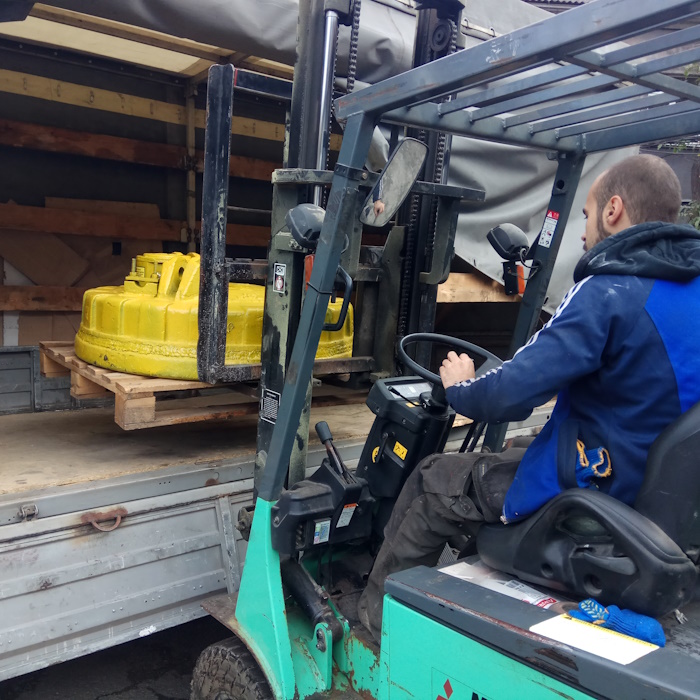
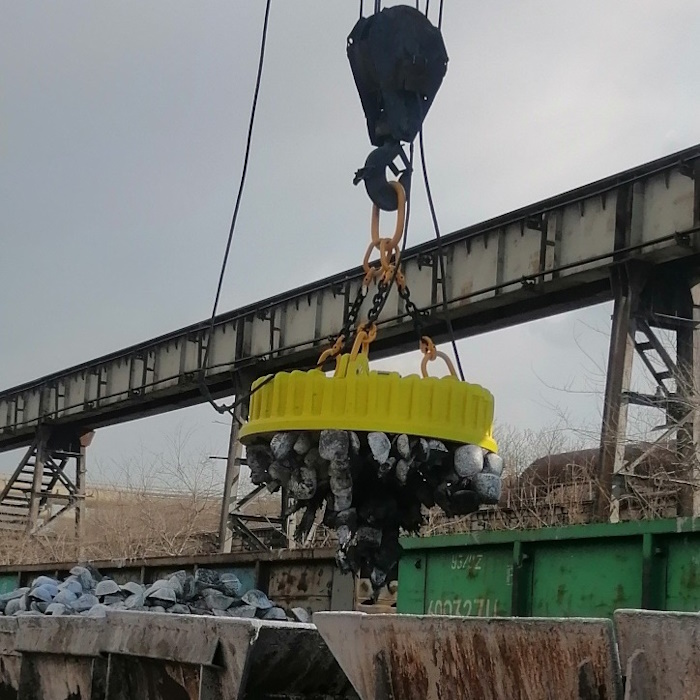
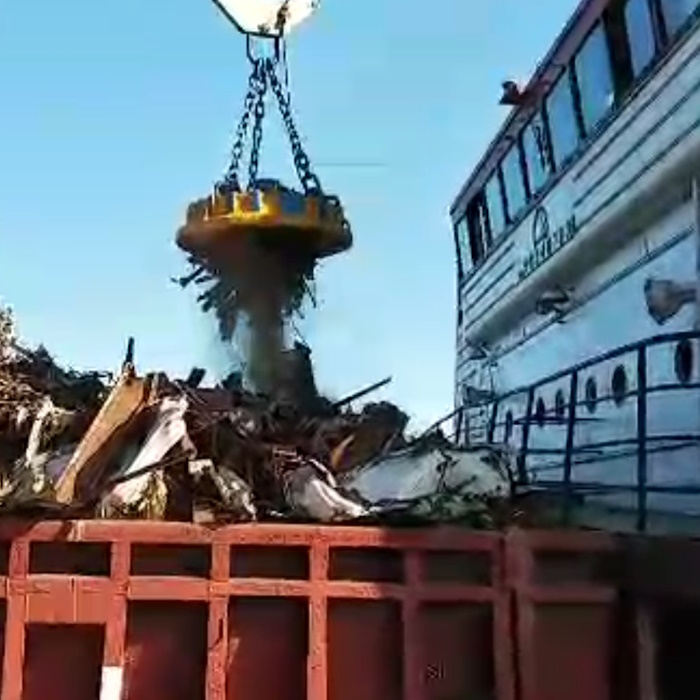
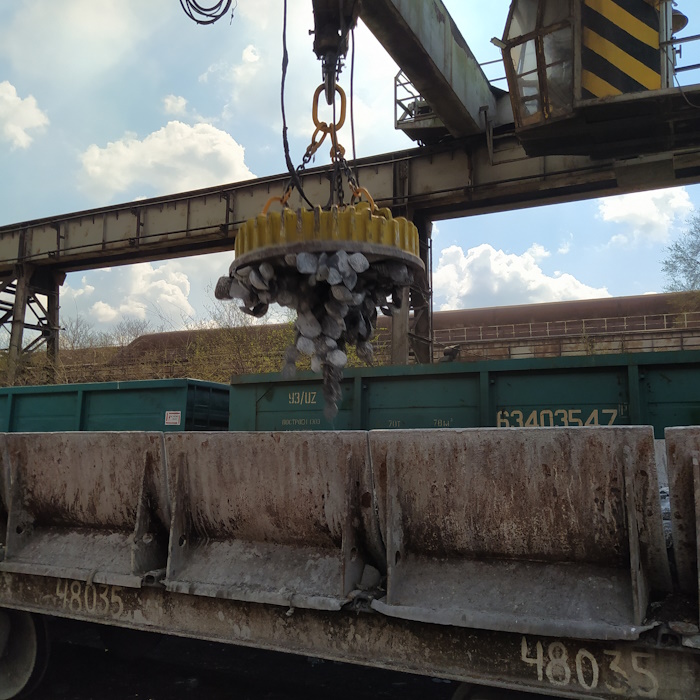
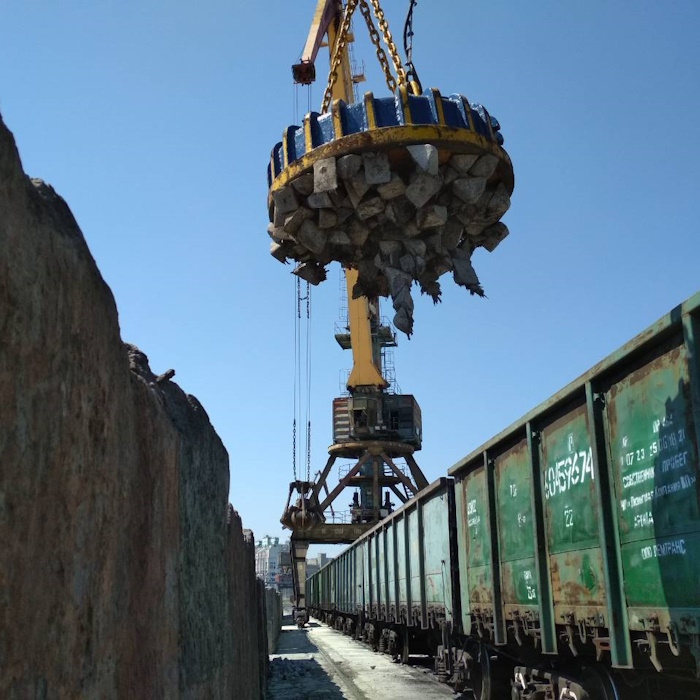
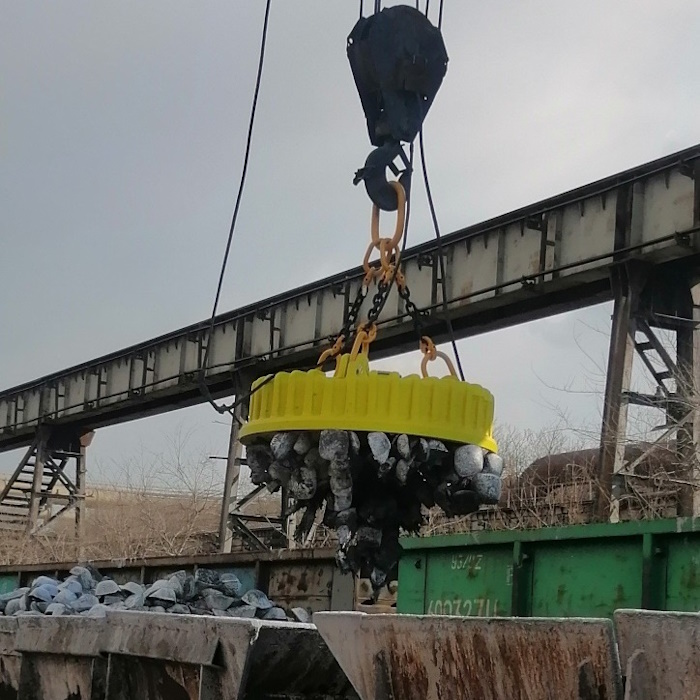
DEMZ® magnets handle loading and unloading operations for trucks, railcars, cargo vessels, and other transport media.

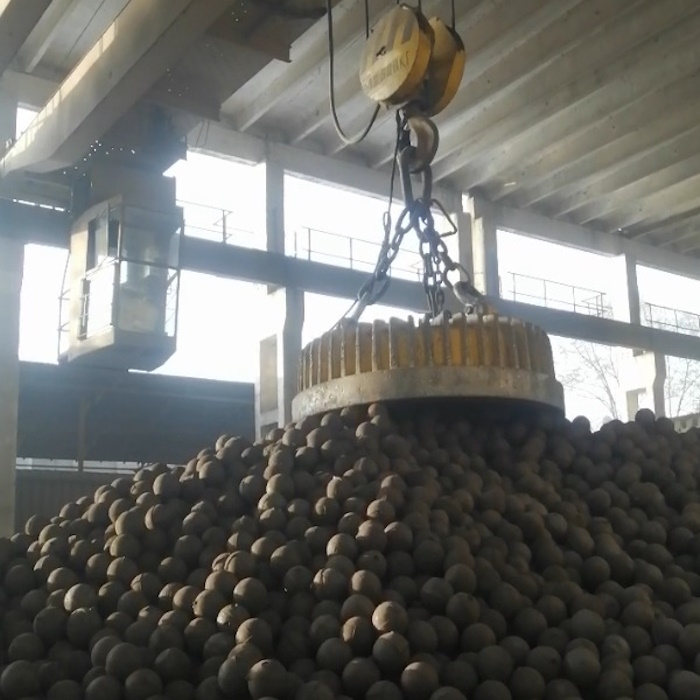
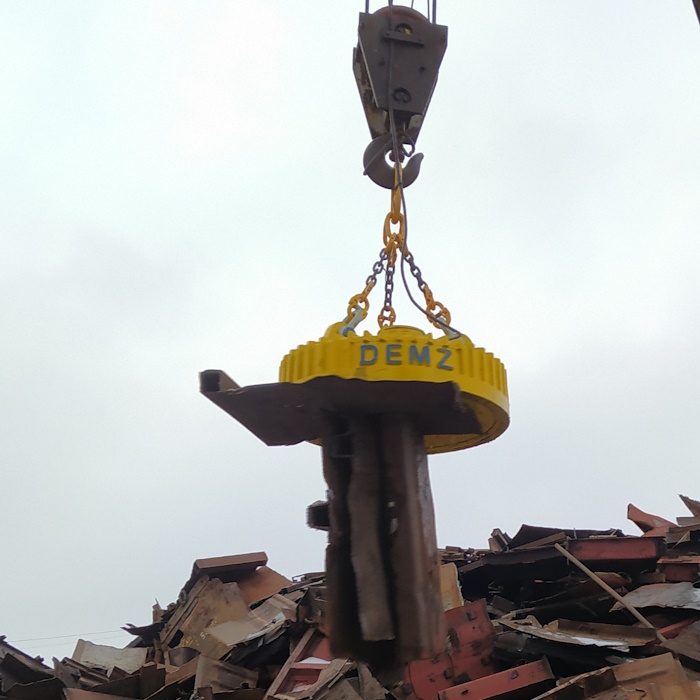
DEMZ® magnets move scrap metal, metal shavings, steel slabs, blooms, square and round (pipe) billets, pig iron ingots, grinding balls and shot, pipes, castings, forgings, long and bundled rolled products, as well as sheet metal and structural steel profiles (beams, rails, angles, rebar, etc.).

DEMZ® magnets feature ingress protection ratings ranging from IP54 to IP68 in accordance with GOST 14255-69, depending on their intended application.

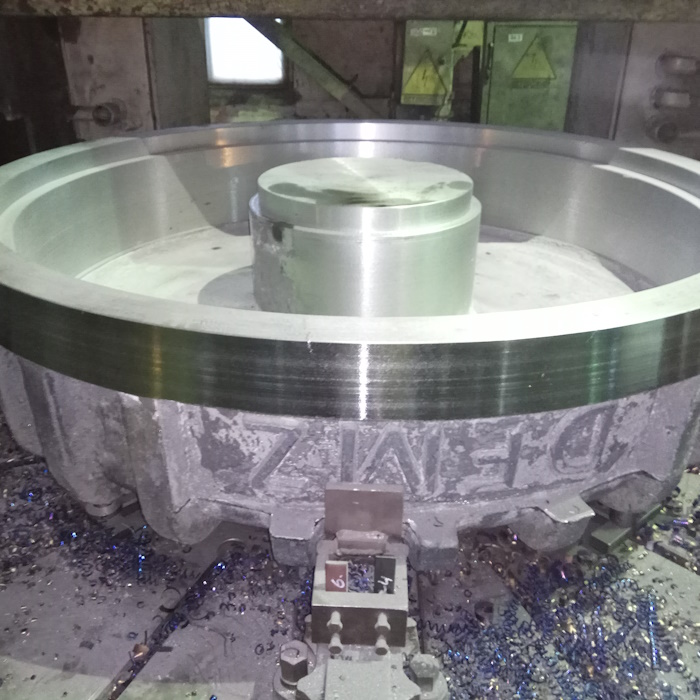
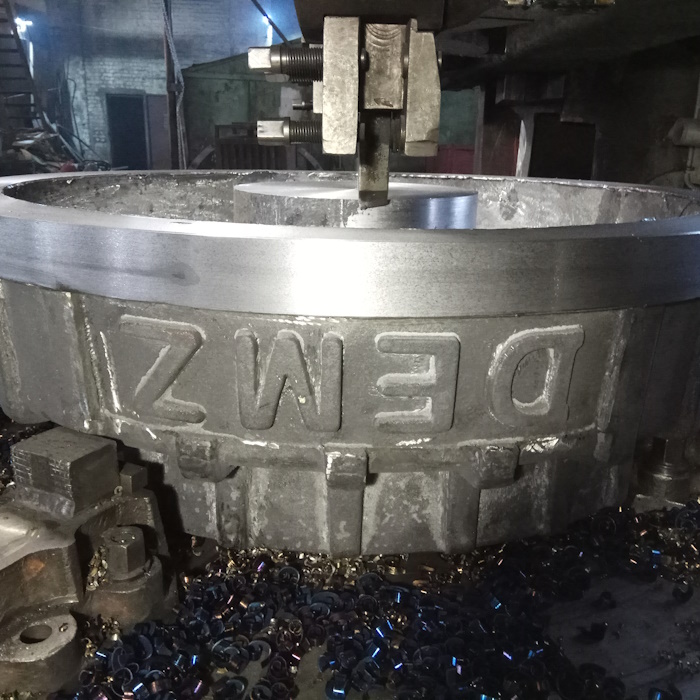
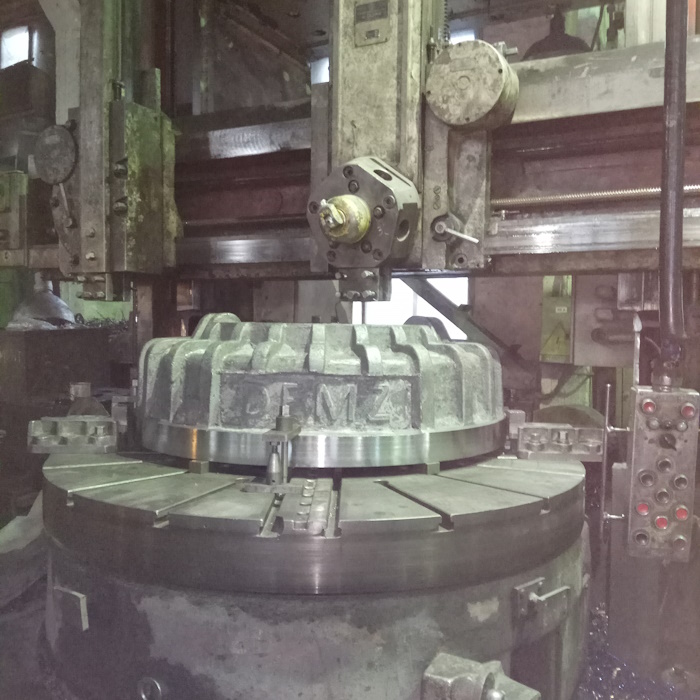
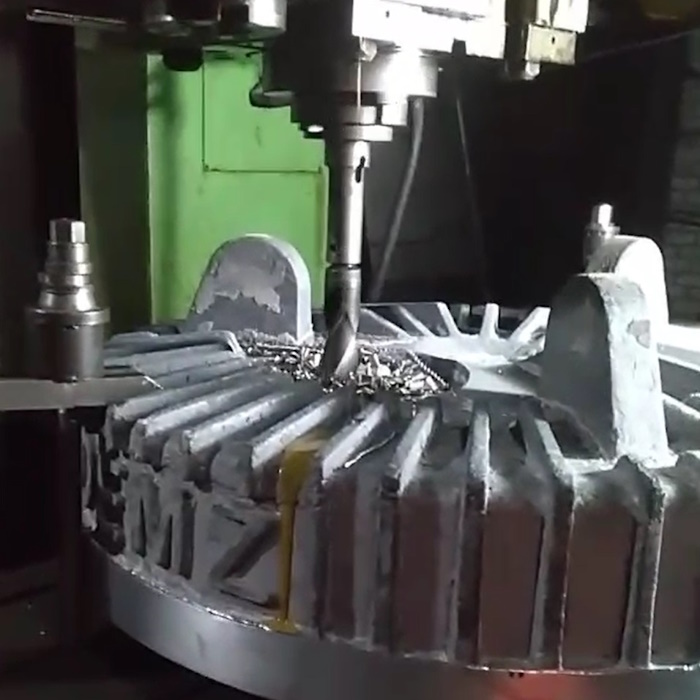
DEMZ® magnets can be supplied with copper or aluminum coils, housed in cast or welded bodies, according to customer preferences.

DEMZ® magnets can be custom-manufactured for specialized operational conditions upon customer request, including heat-resistant and underwater configurations.

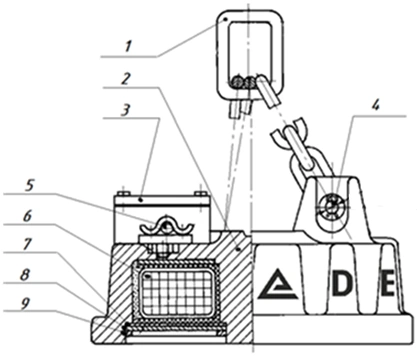
Fig. Schematic design of an electric lifting magnet

  • Item 1 – three-leg chain sling;
  • Item 2 – magnetic core / housing;
  • Item 3 – terminal box;
  • Item 4 – pin;
  • Item 5 – electromagnet lead;
  • Item 6 – electromagnet coil;
  • Item 7 – shunt disk;
  • Item 8 – diamagnetic disk;
  • Item 9 – anchor arc.

DEMZ® magnets are adapted for material handlers, cranes, and excavators from the following manufacturers: Caterpillar, Liebherr, Sennebogen, Volvo, Atlas, Terex Fuchs, O&K, Hitachi, Komatsu, JCB, Hyundai, Sobemai, Samsung, Manitowoc, American, Link-Belt, XCMG, Sany Heavy Industry, SWF Krantechnik, Fantuzzi, Konecranes, Kocks Ardelt Kranbau, ABUS Kransysteme, Famak, Shanghai Port Machinery Heavy Industries, Ganz Danubius, and Kobelco.

30+

years in the CIS and European equipment market

2000+

units of manufactured products

3000+

units of industrial equipment repaired

20+

types and varieties of products

DEMZ

Gallery

DEMZ

Our standards

DEMZ

Product Videos

DEMZ

Contact Us

Frequently Asked Questions (FAQ)

The lifting capacity of an electromagnet is the maximum load weight permitted to be lifted and moved by the magnet. It typically equals 0.5 of the breakaway (tear-off) force, providing a safety factor for secure operation.

The lifting capacity depends on the magnitude of the magnetic flux in the core. The flux increases as the magnetomotive force increases and as the magnetic reluctance of the circuit decreases.

Copper coils cost twice as much as aluminum ones; copper has 1.7 times higher conductivity than aluminum; copper density is 3.3 times higher than aluminum; copper’s specific heat capacity is 3 times lower than aluminum’s; copper coils offer more repair cycles and a longer service life than aluminum.

Welded steel housings are simple and cost-effective to produce. The advantages of a cast magnetic core over a welded one include cooling fins, greater operational durability, solid structural integrity, and the complete absence of internal air gaps.

Overheating, lower density of scrap metal, switching to metal stock with larger air gaps, and malfunctions in the control cabinet (voltage converter).

Improper operation (faulty control cabinet, overheating, moisture exposure, overvoltage), coil-to-housing breakdown (ground fault), open-circuit/broken conductors, and inter-turn short circuits within the coil.

General-purpose, underwater, heat-resistant.