Grabs & Hydraulic Systems
Product Range
Grabs & Hydraulic Systems DEMZ

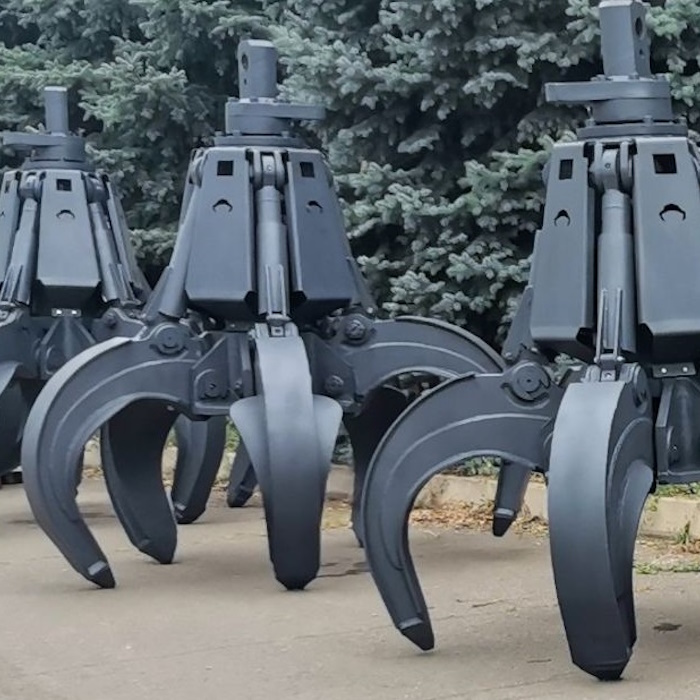
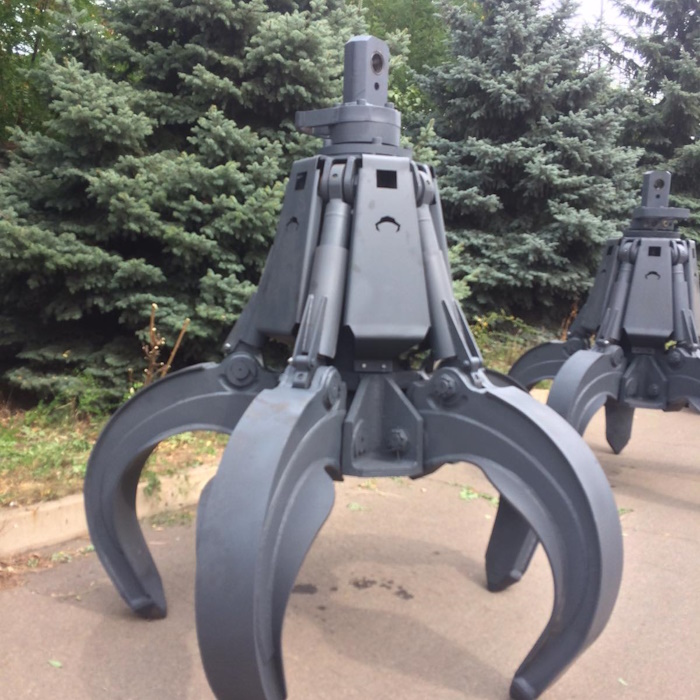
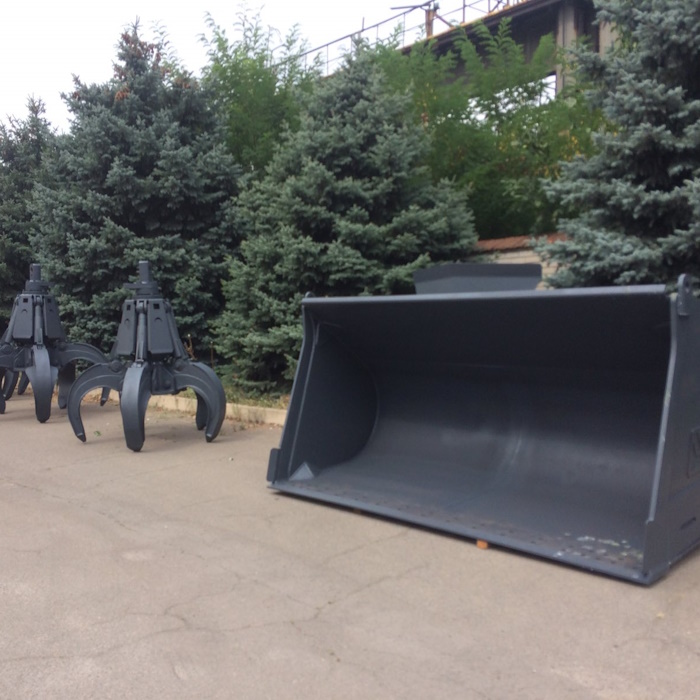
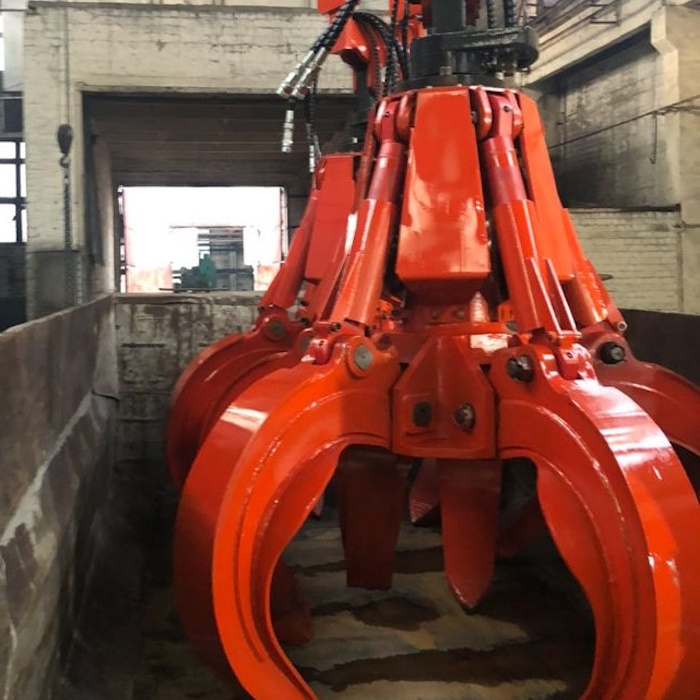
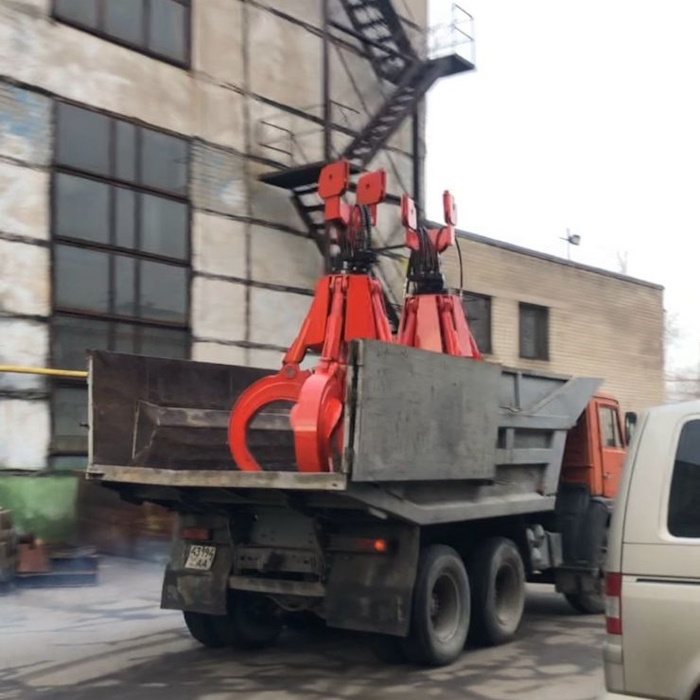
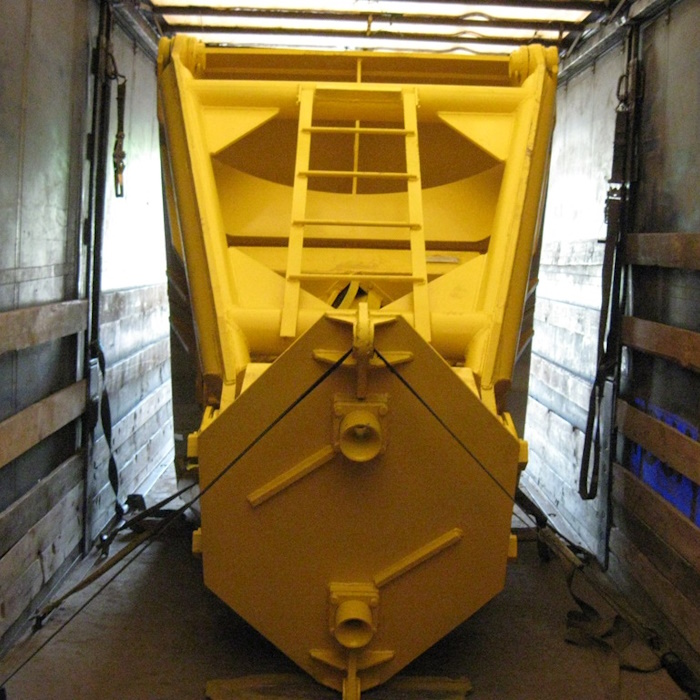
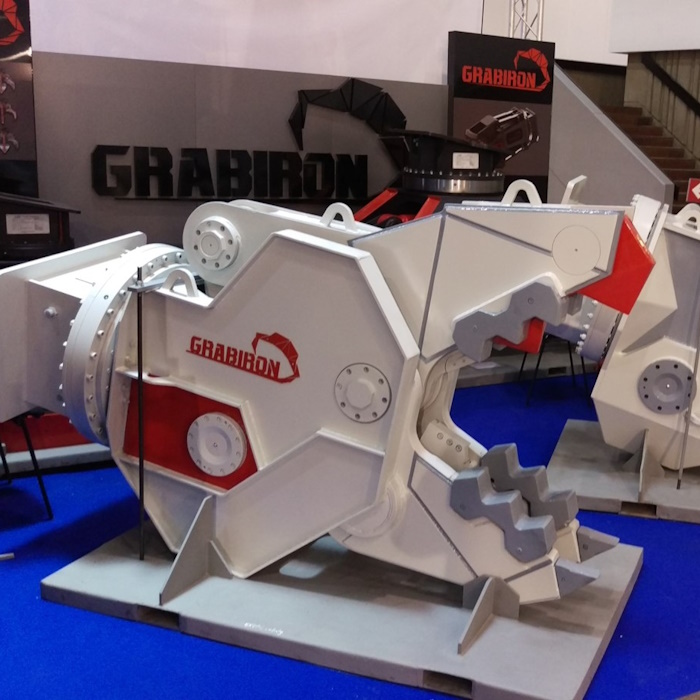
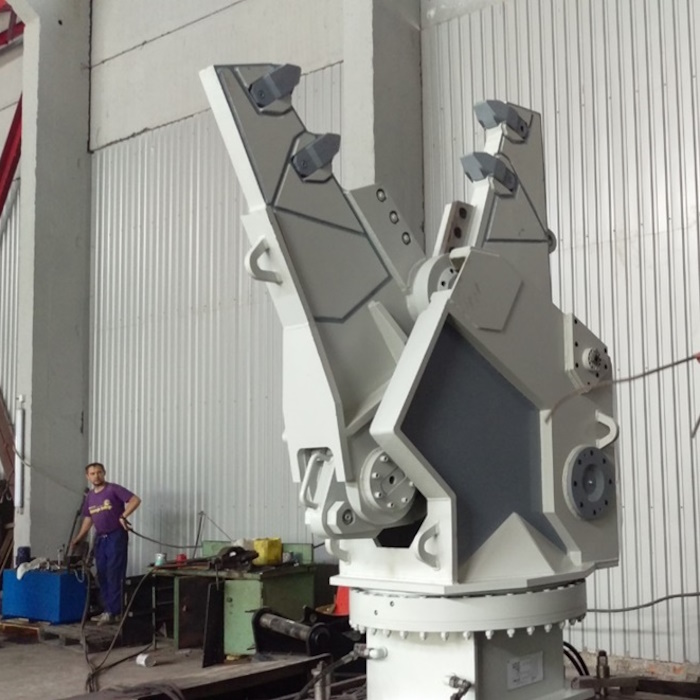
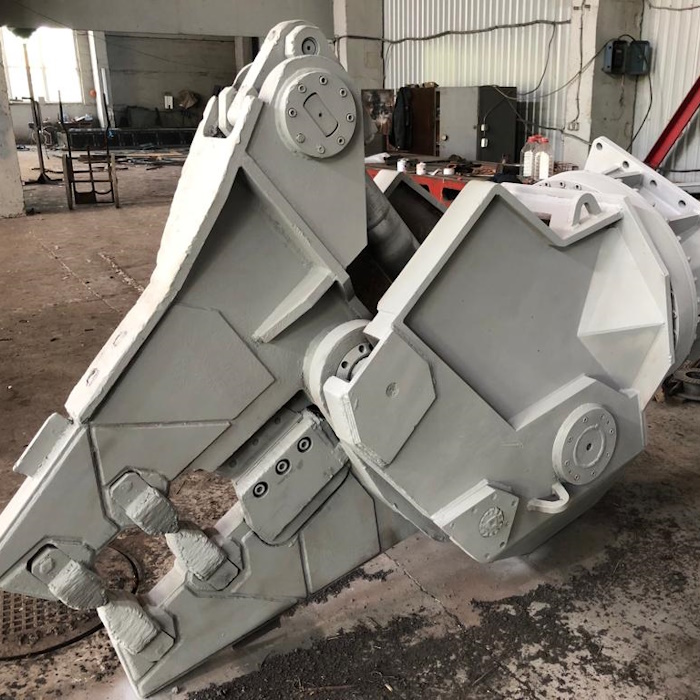
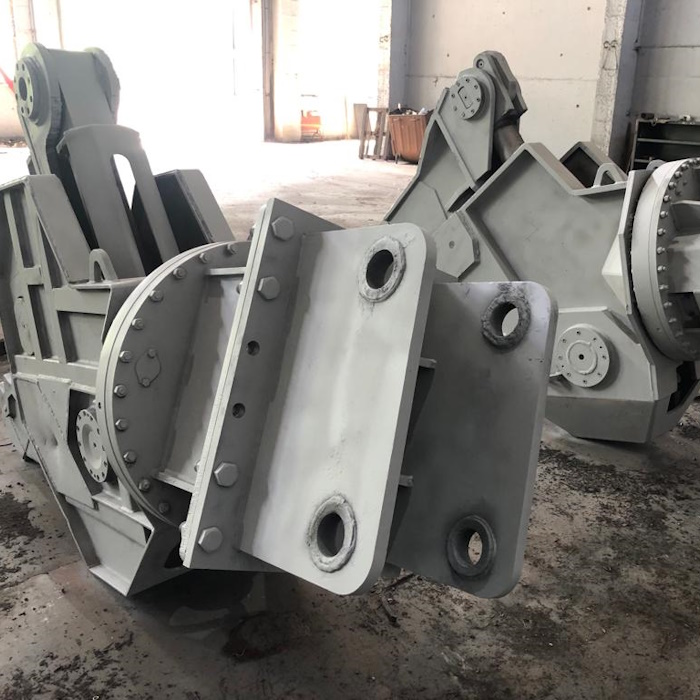
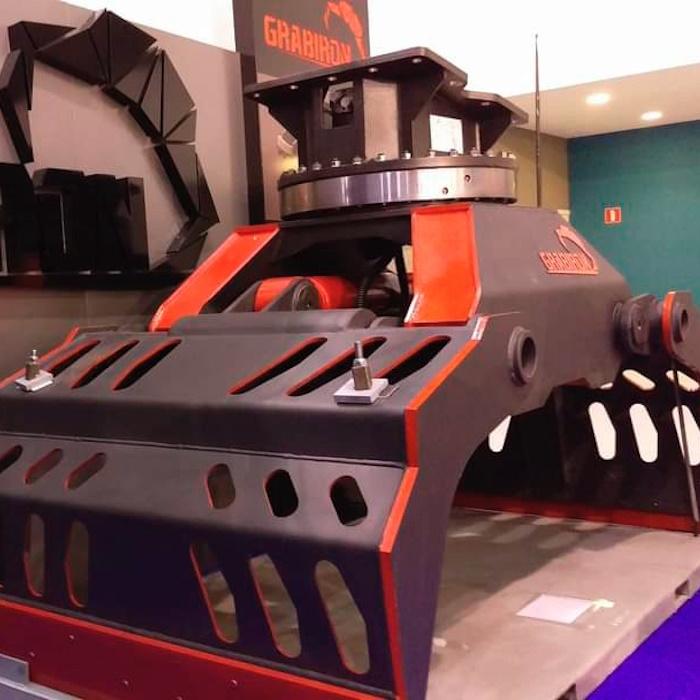
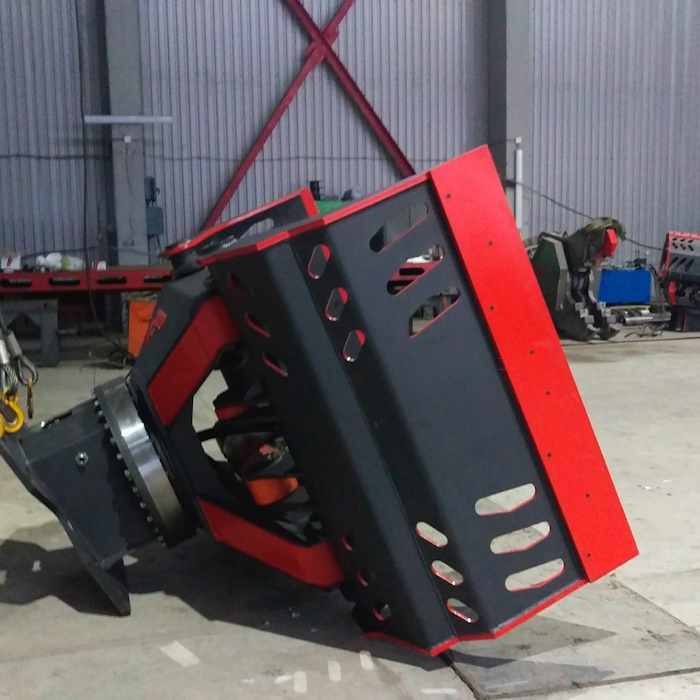
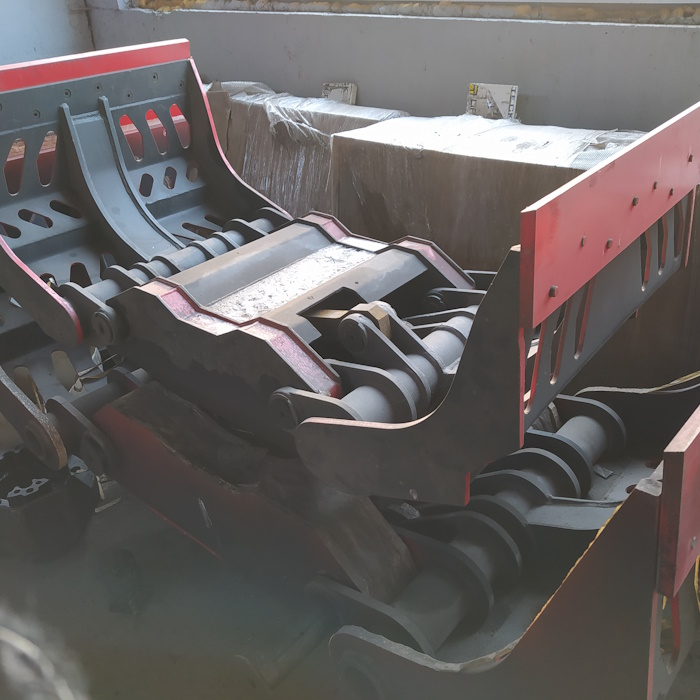
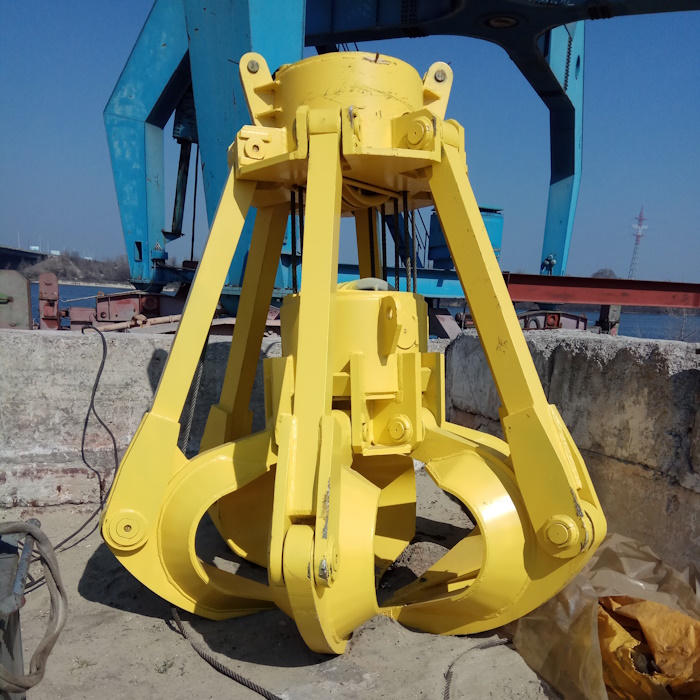
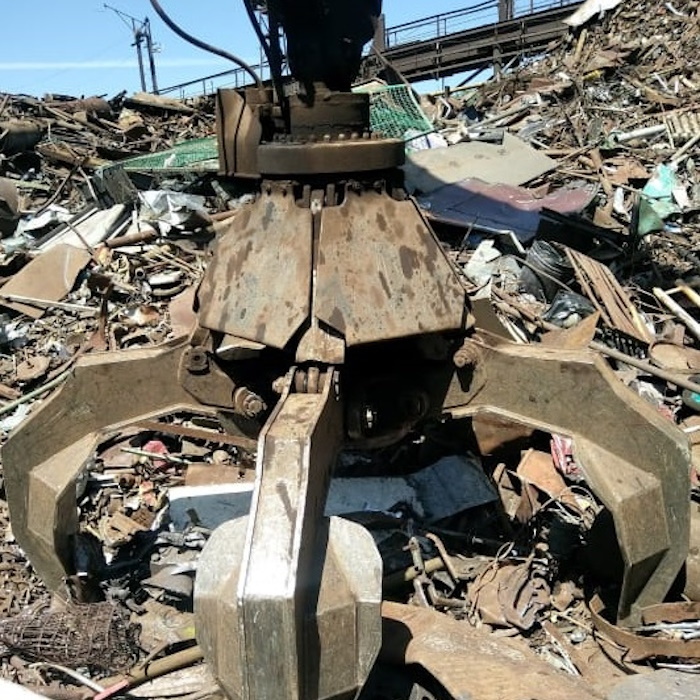
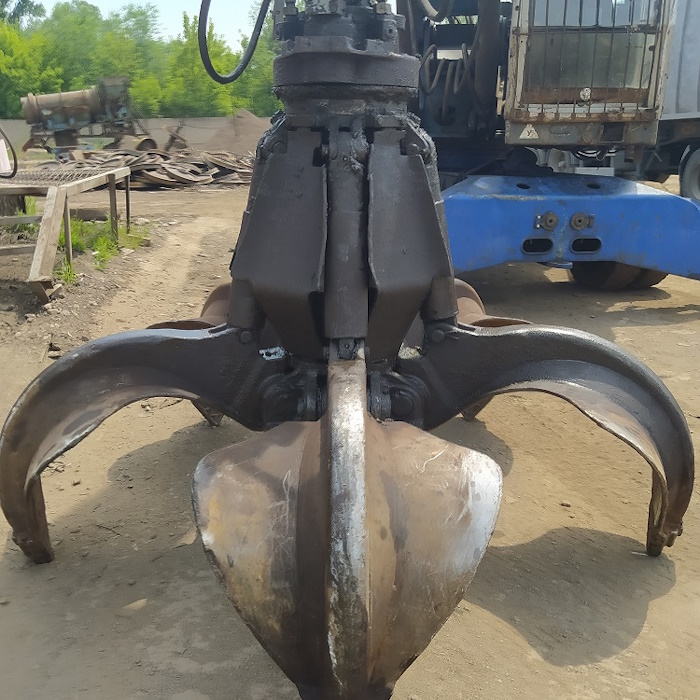
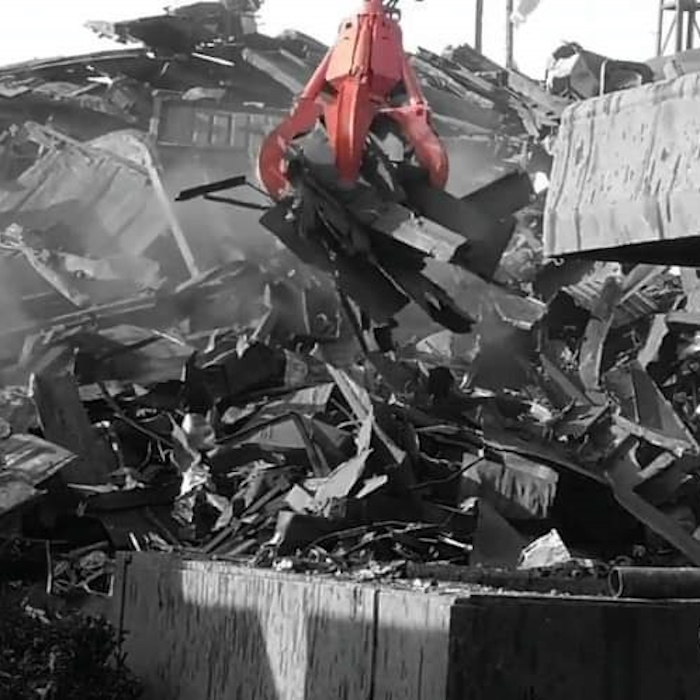
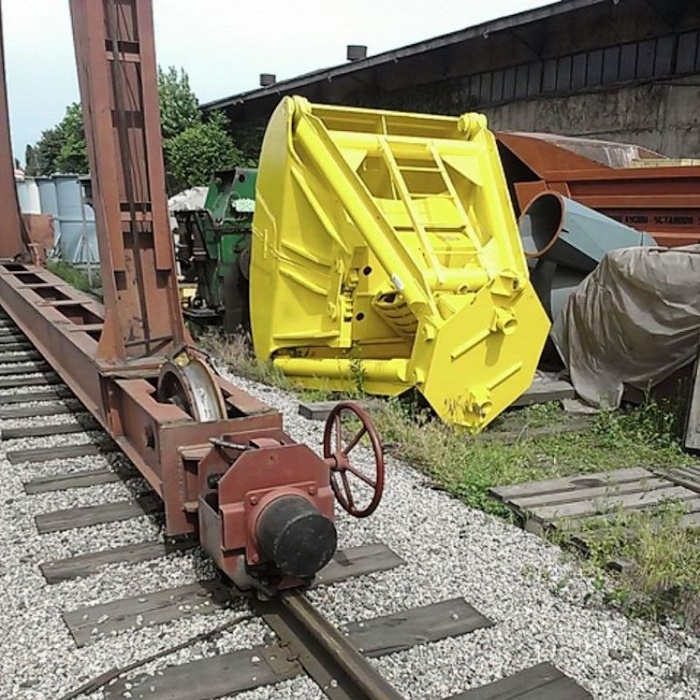
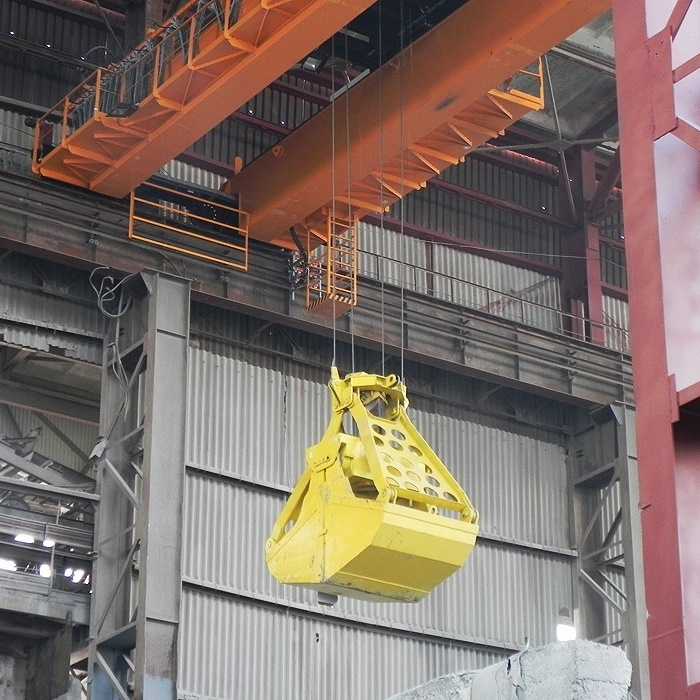
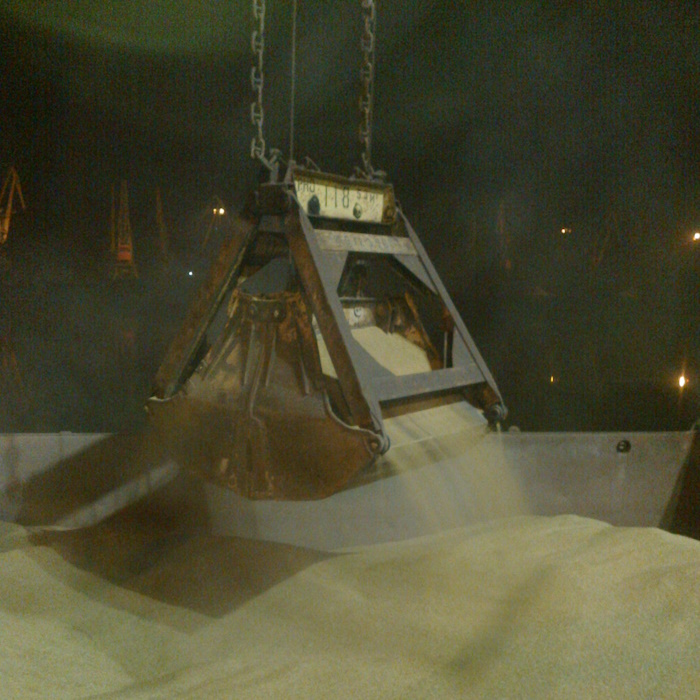
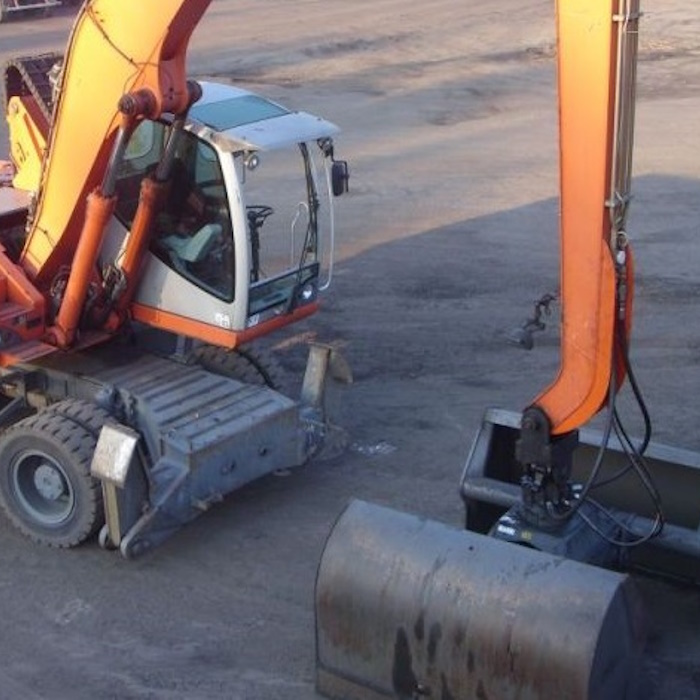
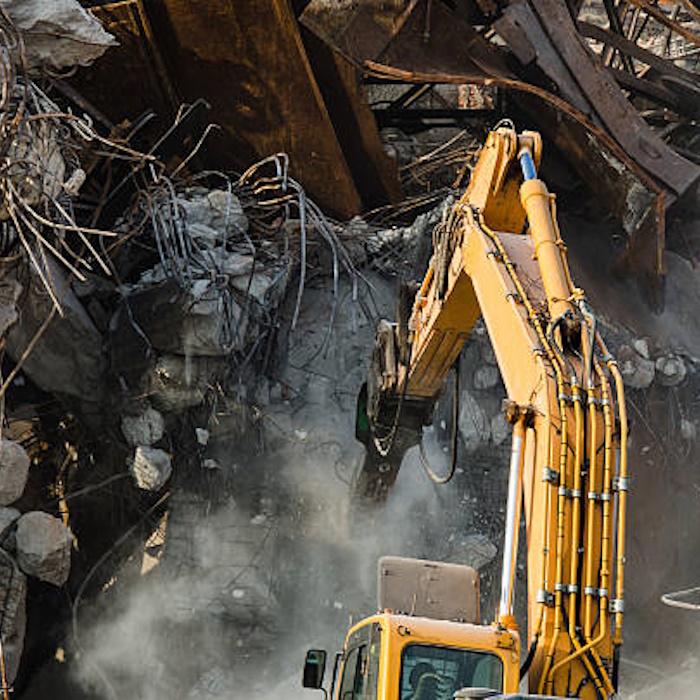
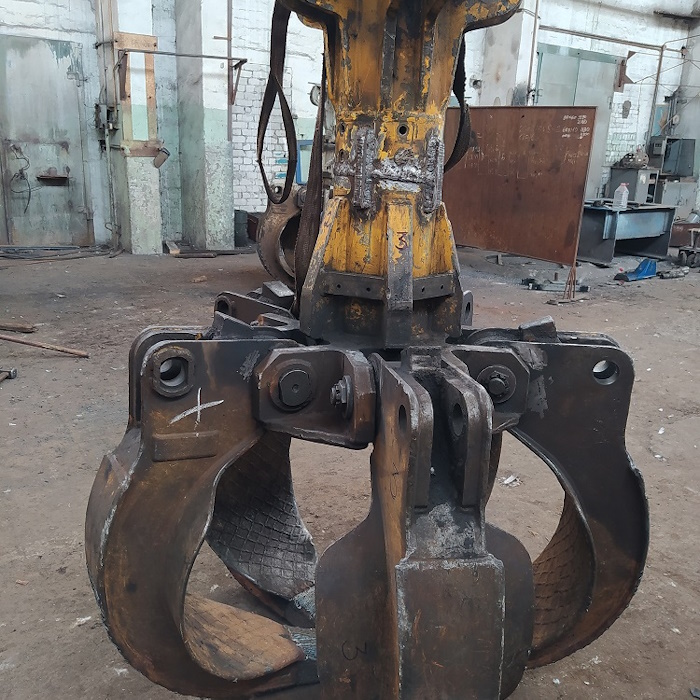
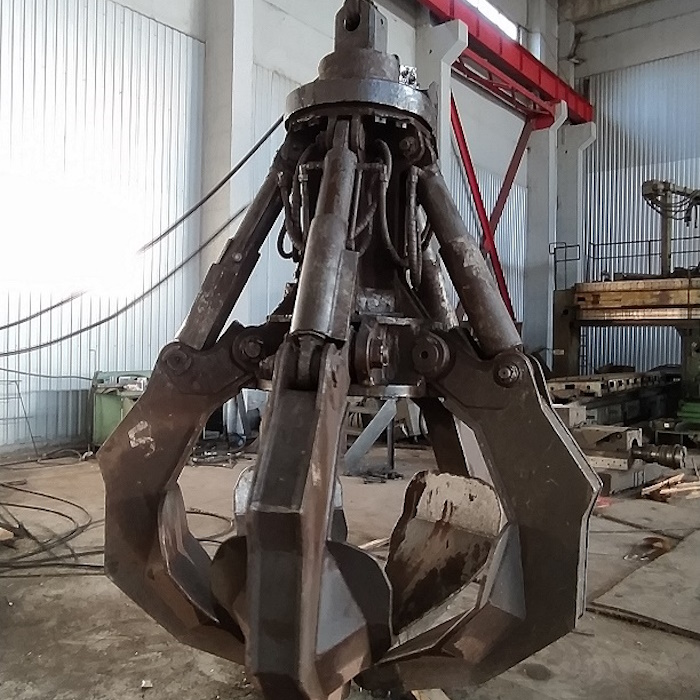
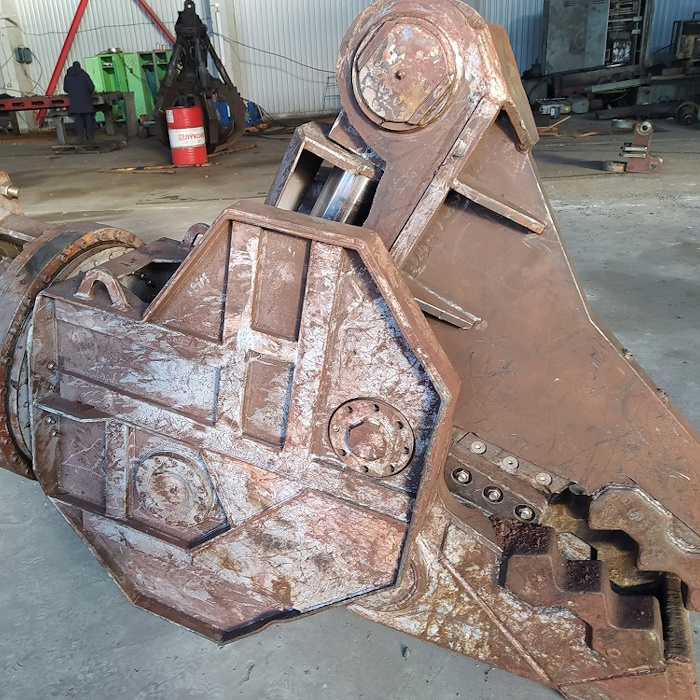
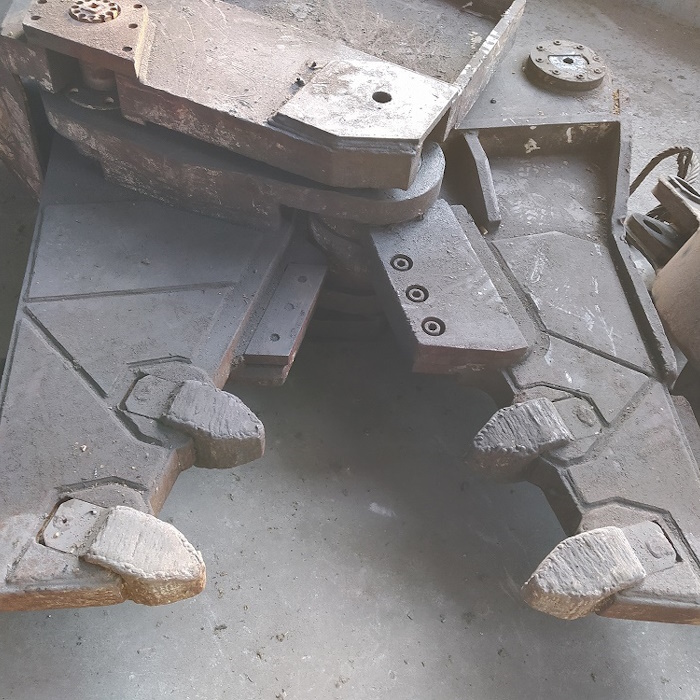
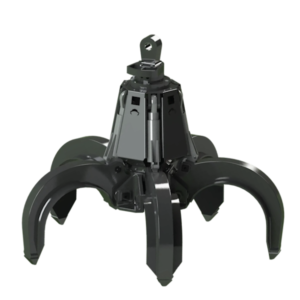
A grab (German: Greifer, from greifen — to grasp) is a load-handling attachment for cranes, loaders, excavators, hydraulic material handlers, and other lifting equipment.
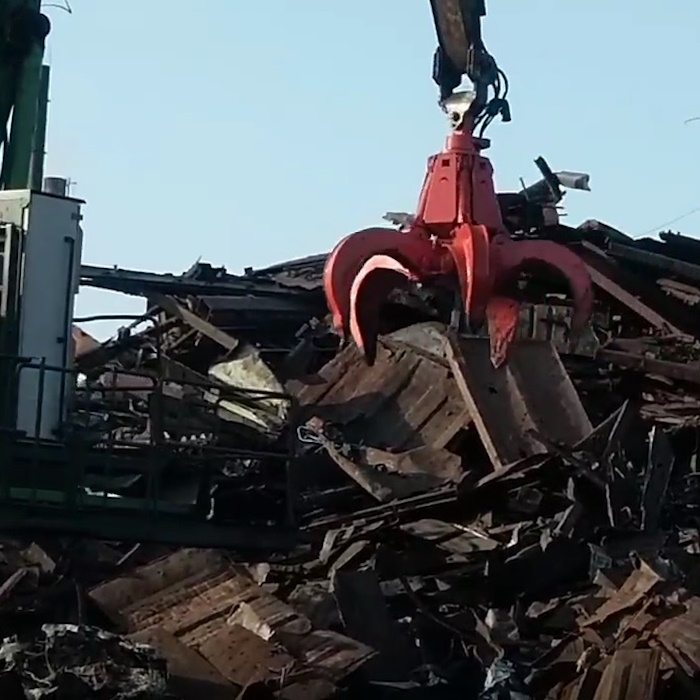
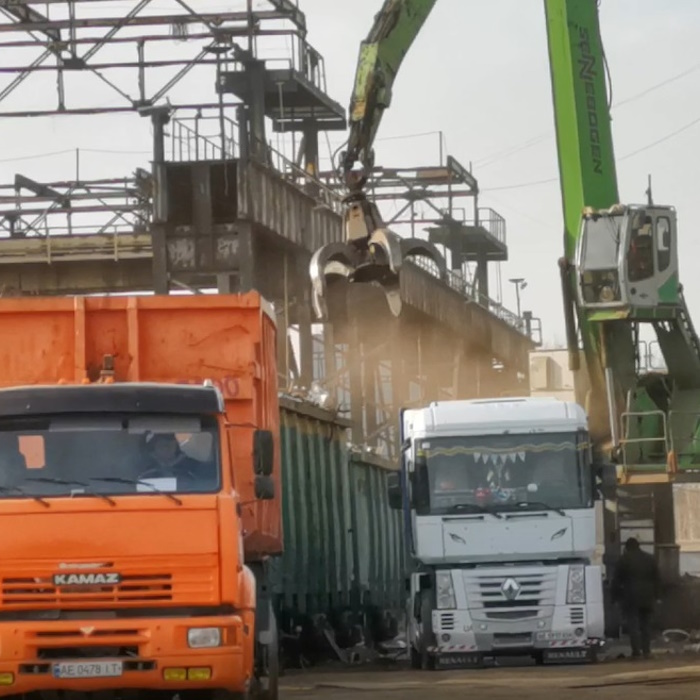
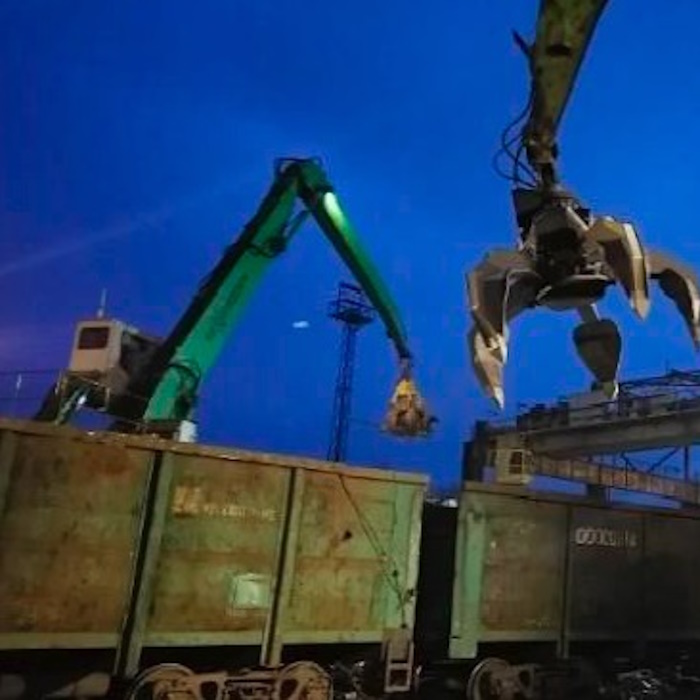
Grabs are widely used for bulk materials, scrap metal, turnings, lump stone, fibrous materials, as well as long timber and metal scrap.
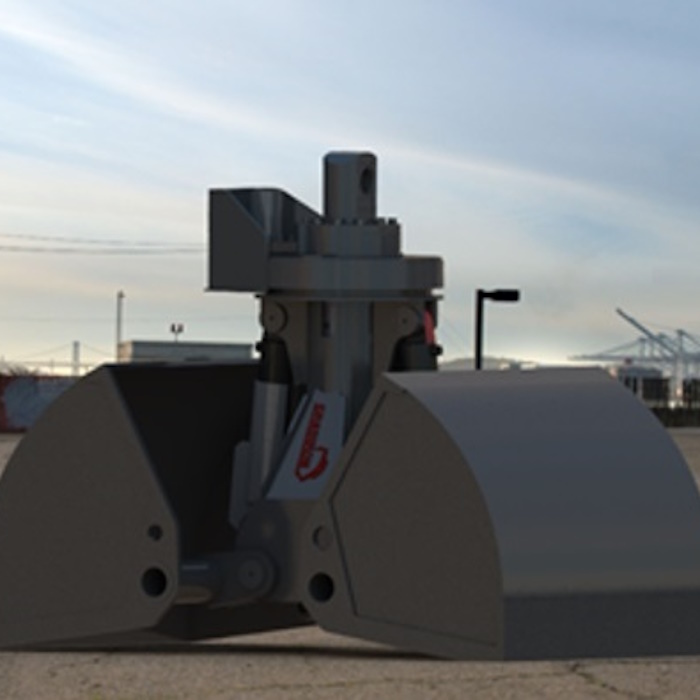
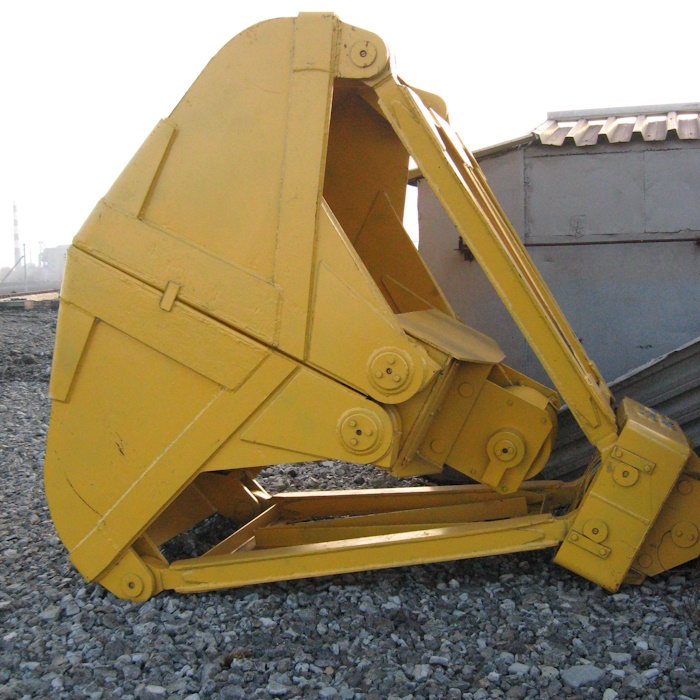
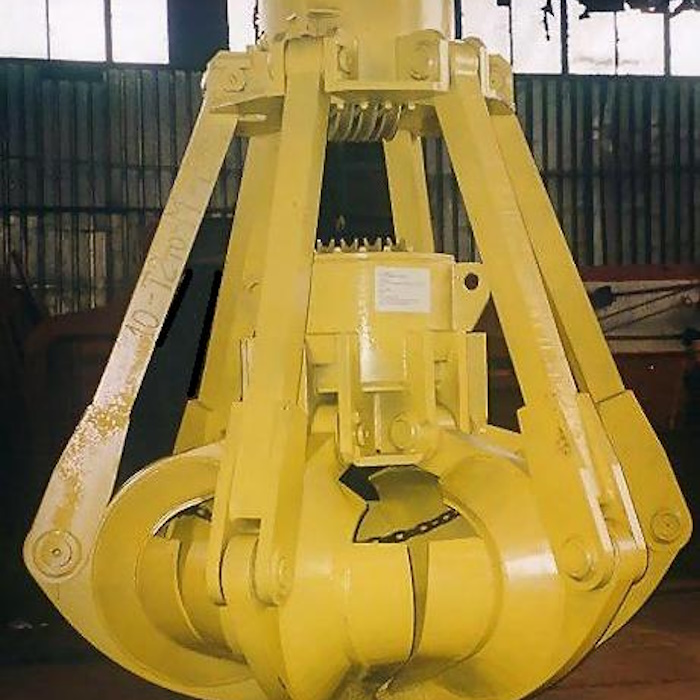
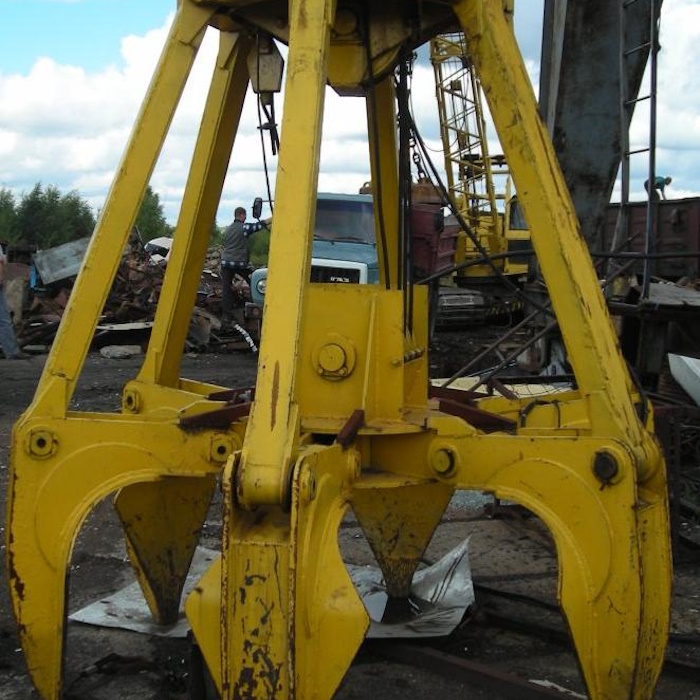
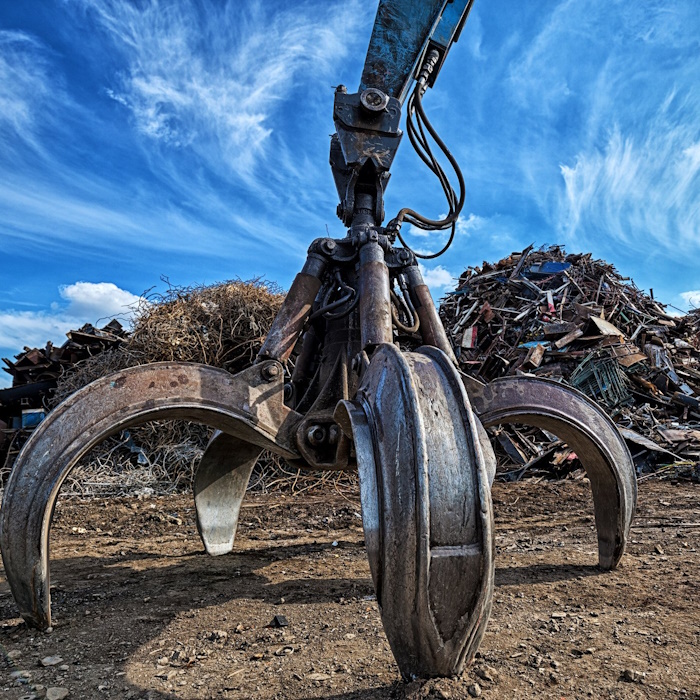
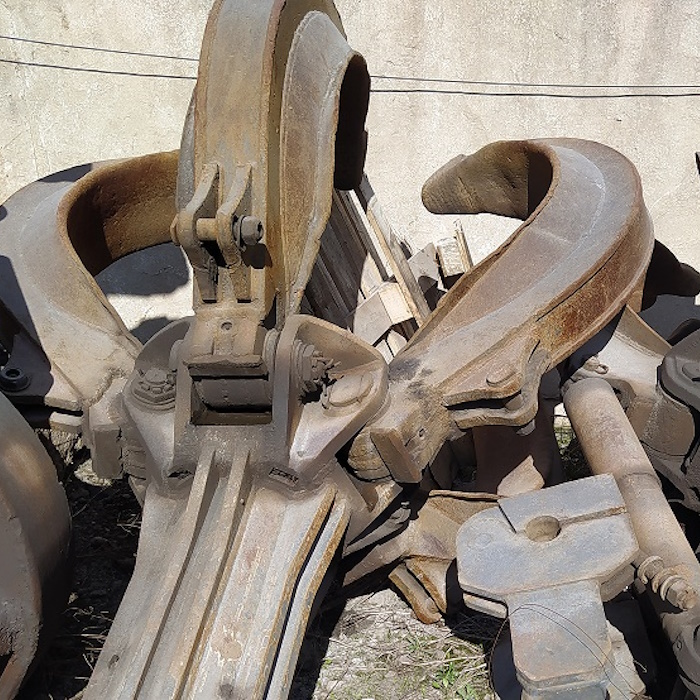
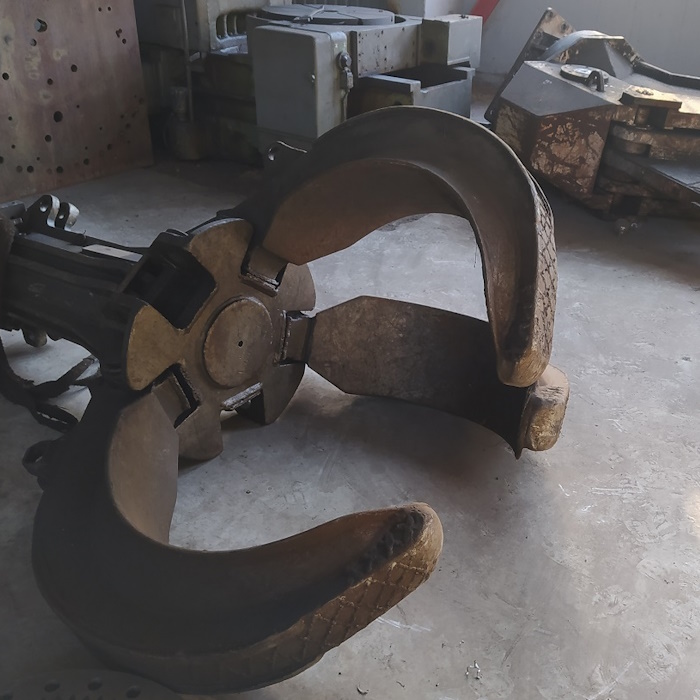
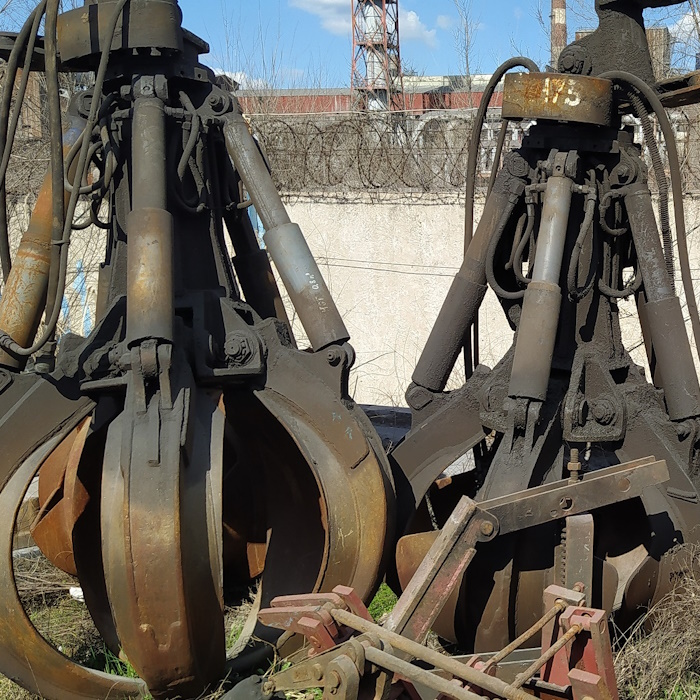
By drive type, grabs are categorized into mechanical (rope), hydraulic, and electromechanical (motorized). Mechanical grabs can be single-rope, two-rope, or four-rope. By jaw (bucket) design, they can be two-jaw (clamshell) or multi-jaw (orange-peel). Hydraulic grabs are divided into standard hydraulic — where part of the power equipment (hydraulic pump) is located on the crane or excavator — and electro-hydraulic, where all drive equipment is mounted on the grab crosshead.

Consultation
Hydraulic Systems & Grabs DEMZ
Grabs must be manufactured in accordance with the requirements of: GOST 24599 and Ukrainian Technical Specifications (TU U) for specific grab types (models); “NPAOP 0.00-1.80-18 Rules for Design and Safe Operation of Cranes, Lifting Mechanisms, and Equipment”; “KND 31.4.002 Regulations for Technical Operation of Material Handling Equipment in Seaports”; “RD 31.82.03 Occupational Safety Regulations in Seaports”. Standard climatic versions are U1 and M1 according to GOST 15150. Manufacturing specific grab types (models) and batches in alternative climatic versions is permitted if specified in the technical specifications for those specific models. Grabs are engineered based on the Technical Assignment, cargo type, and other key operational factors.
| Cargo Group | Bulk Density, t/m3 | Cargo Examples | ||
| Name | Designation | Min | Max | |
| 1 | 2 | 3 | 4 | 5 |
| Very Light | VL1 / VL2 | – / 0.40 | 0.40 / 0.63 | coal coke, coal slag, grain, seeds, sugar, powdered apatite… |
| Light | L1 / L2 | 0.63 / 0.80 | 0.80 / 1.00 | anthracite (AK, AM, AO, AOM, AS), petroleum coke, coal (GK, GO, DM, DR, K)… |
| Medium | M1 / M2 / M3 | 1.00 / 1.25 / 1.60 | 1.25 / 1.60 / 2.00 | sand, crushed stone, gravel, cement, coal screenings, metallurgical slag, chamotte, salt, sulfur, fertilizers, soil… |
| Heavy | H1 / H2 | 2.00 / 2.50 | 2.50 / 3.20 | bauxite, copper-nickel and iron ore concentrate, various types of ore, ferroalloys… |
| Very Heavy | VH1 / VH2 | 3.20 / 4.00 | 4.00 / 4.50 | lead concentrate, foundry and pig iron ingots… |
years in the CIS and European equipment market
units of manufactured products
units of industrial equipment repaired
types and varieties of products
Our standards
Contact Us
Frequently Asked Questions (FAQ)
The lifting capacity of an electromagnet is the maximum load weight permitted to be lifted and moved by the magnet. It typically equals 0.5 of the breakaway (tear-off) force, providing a safety factor for secure operation.
The lifting capacity depends on the magnitude of the magnetic flux in the core. The flux increases as the magnetomotive force increases and as the magnetic reluctance of the circuit decreases.
Copper coils cost twice as much as aluminum ones; copper has 1.7 times higher conductivity than aluminum; copper density is 3.3 times higher than aluminum; copper’s specific heat capacity is 3 times lower than aluminum’s; copper coils offer more repair cycles and a longer service life than aluminum.
Welded steel housings are simple and cost-effective to produce. The advantages of a cast magnetic core over a welded one include cooling fins, greater operational durability, solid structural integrity, and the complete absence of internal air gaps.
Overheating, lower density of scrap metal, switching to metal stock with larger air gaps, and malfunctions in the control cabinet (voltage converter).
Improper operation (faulty control cabinet, overheating, moisture exposure, overvoltage), coil-to-housing breakdown (ground fault), open-circuit/broken conductors, and inter-turn short circuits within the coil.